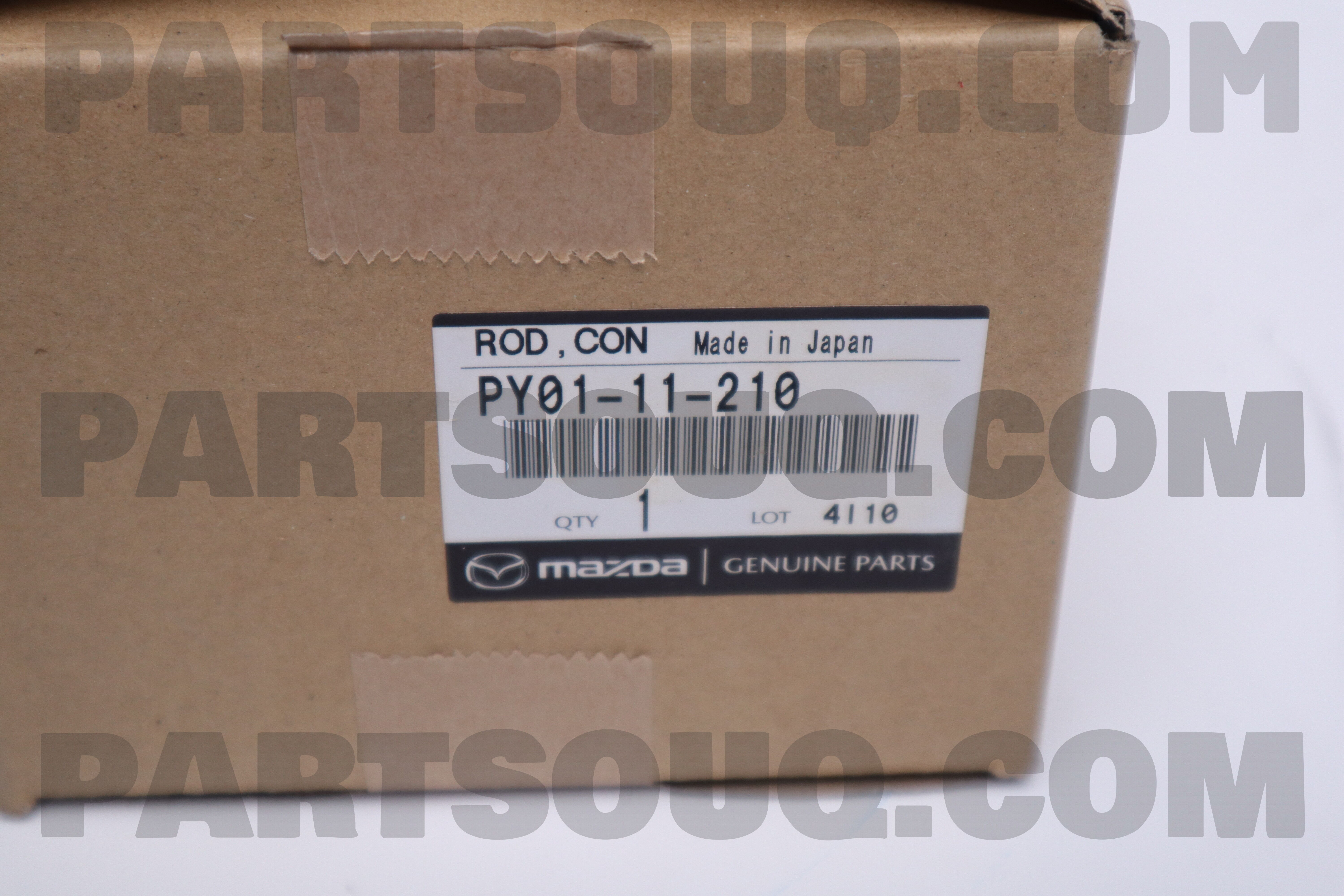
Engine Connecting Rod – OE-Grade Strength for Smooth Power ?
Why this part is needed
The connecting rod links the piston to the crankshaft, turning up‑down motion into rotation that drives your wheels. It keeps stroke geometry correct, holds bearing oil film, and maintains engine balance. A precise rod protects journals, controls noise, and preserves oil pressure—key for long engine life and clean performance.
How it works
The small end pivots on the piston pin, while the big end clamps around the crank journal with bearing shells. Pressurized oil feeds the bearings; a stable oil film carries the load. A forged, heat-treated body handles combustion forces and high RPM stress. Weight-matched rods reduce vibration, keeping the engine smooth and efficient ⚙️.
What happens if it’s worn or broken
Signs include cold-start knock, rattle under load, metal flakes in oil, misfire, and smoke. A bent rod lowers compression and power; a spun bearing can starve the crank of oil. If a rod snaps, it can puncture the block—catastrophic failure. Stop driving and inspect immediately ❗?
Pro install tips
Measure journal size, check bearing clearance with plastigage, replace rod bolts, and torque in sequence. Oil the bearings, verify side clearance, and confirm piston pin fit and orientation ?️✅
Compatibility
- 6
- Cx-5
- 3
- 6 Wagon
- 6 Atenza
- Cx-4