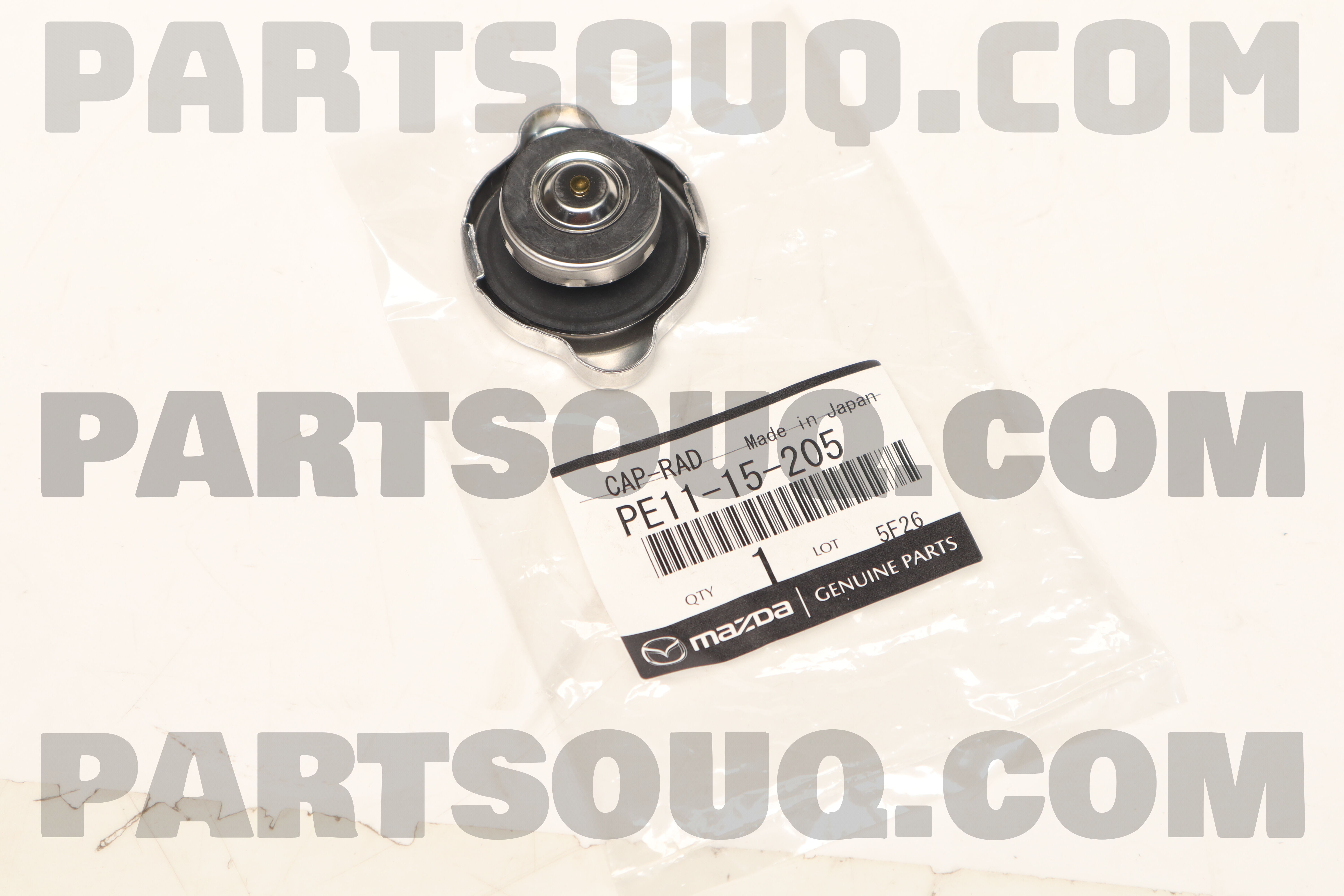
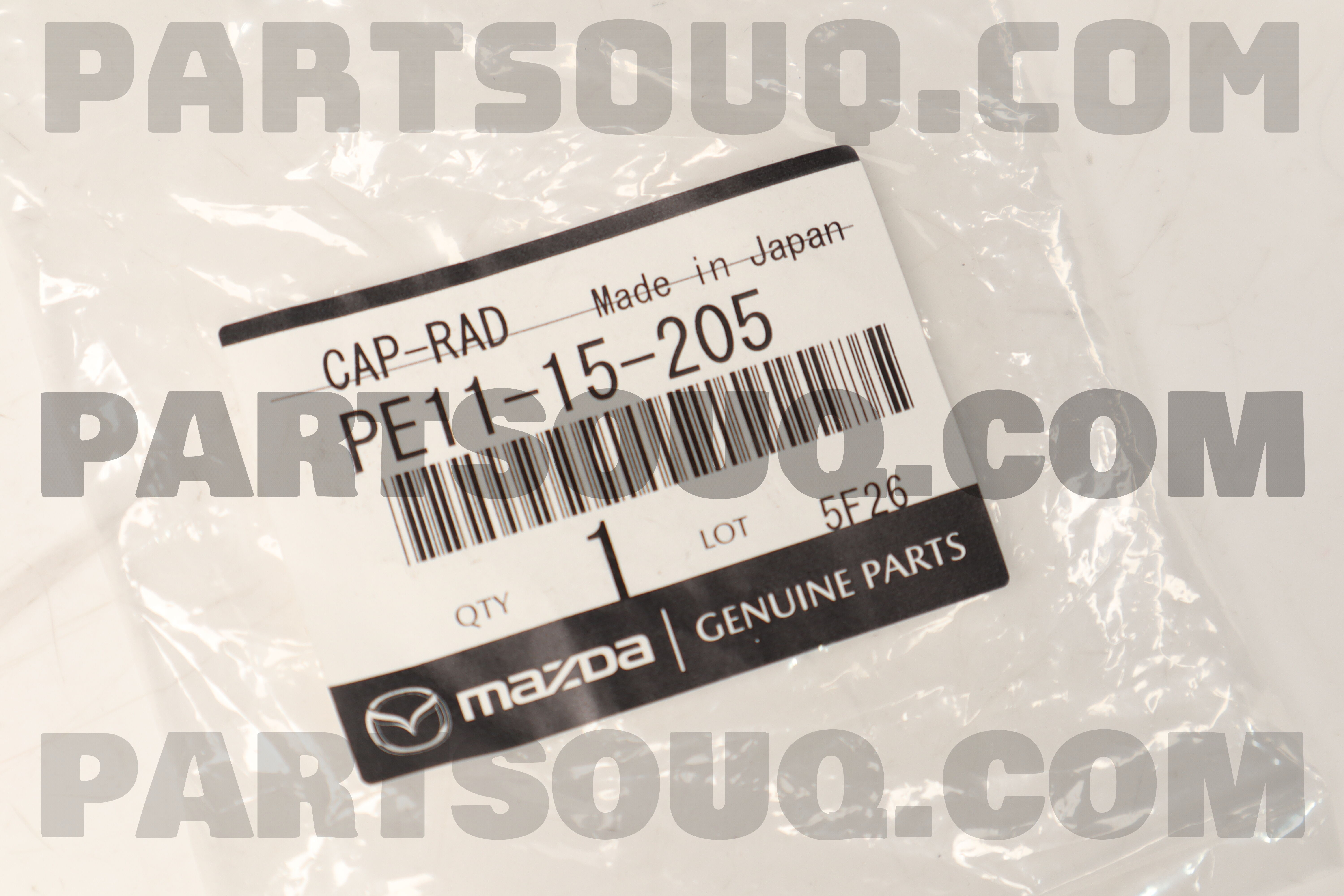
Radiator Pressure Cap for Reliable Cooling ?
This cooling-system cap may look small, but it is a key safety and performance part. It is needed to seal the radiator/filler neck and hold the correct pressure inside the cooling system. By keeping pressure stable, coolant can run at a higher boiling point, helping the engine stay cool in traffic, towing, or hot weather.
How It Works ⚙️
Inside the cap are spring-loaded pressure and vacuum valves. When coolant expands, the pressure valve controls the release to the overflow tank at the rated pressure. When the engine cools down, the vacuum valve lets coolant return, preventing hose collapse and air pockets.
Signs of a Failed Cap ?
If the cap is weak, cracked, or the seal is hardened, the system can’t hold pressure. That can cause overheating, coolant loss, bubbling into the reservoir, random temperature spikes, or a sweet coolant smell. In severe cases, overheating may warp the cylinder head or damage the head gasket.
What Happens If You Ignore It
A bad cap can turn a healthy cooling system into repeated boil-overs and chronic coolant leaks. Replacing it early is a low-cost fix that protects the radiator, hoses, and engine.
Compatibility ✅