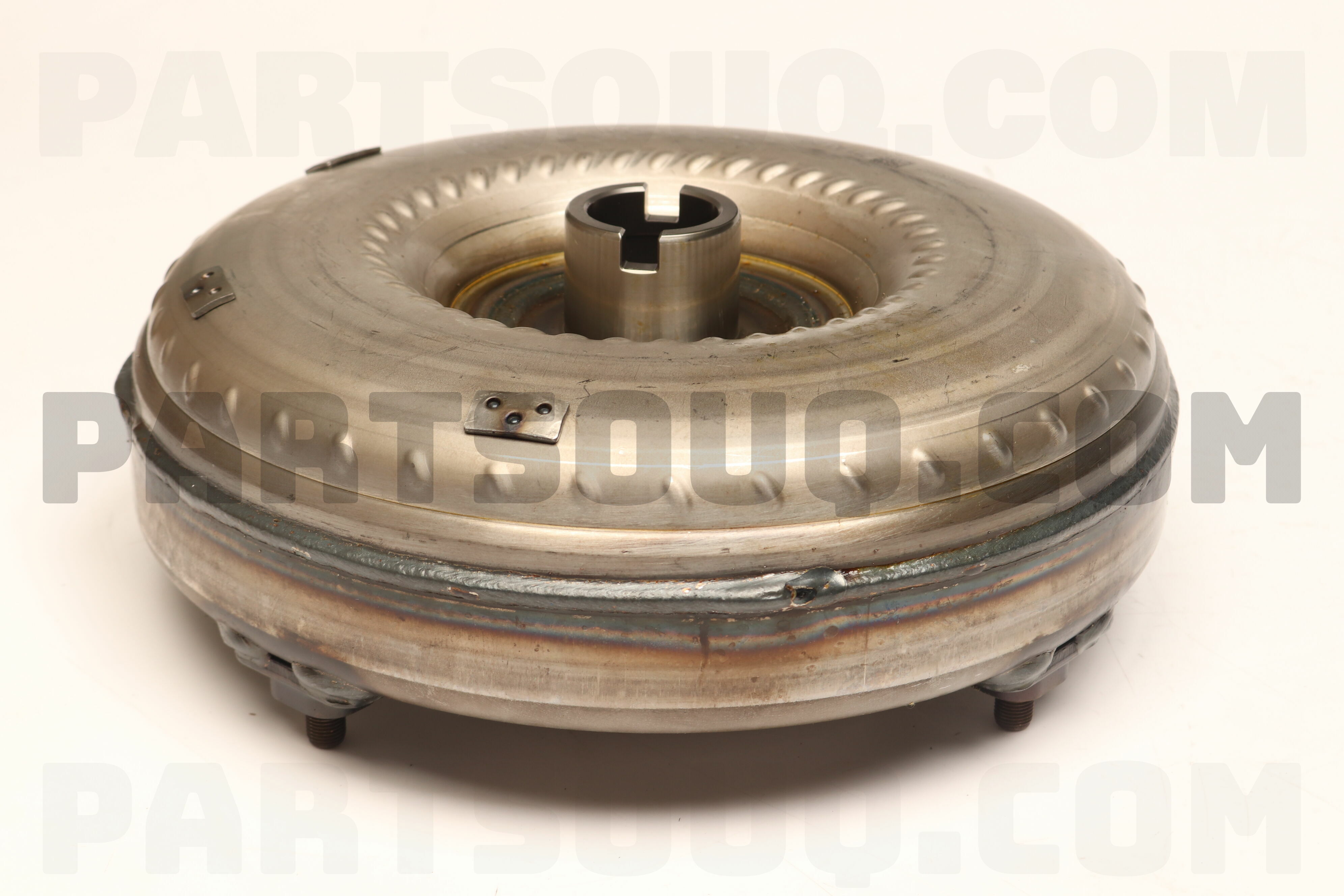
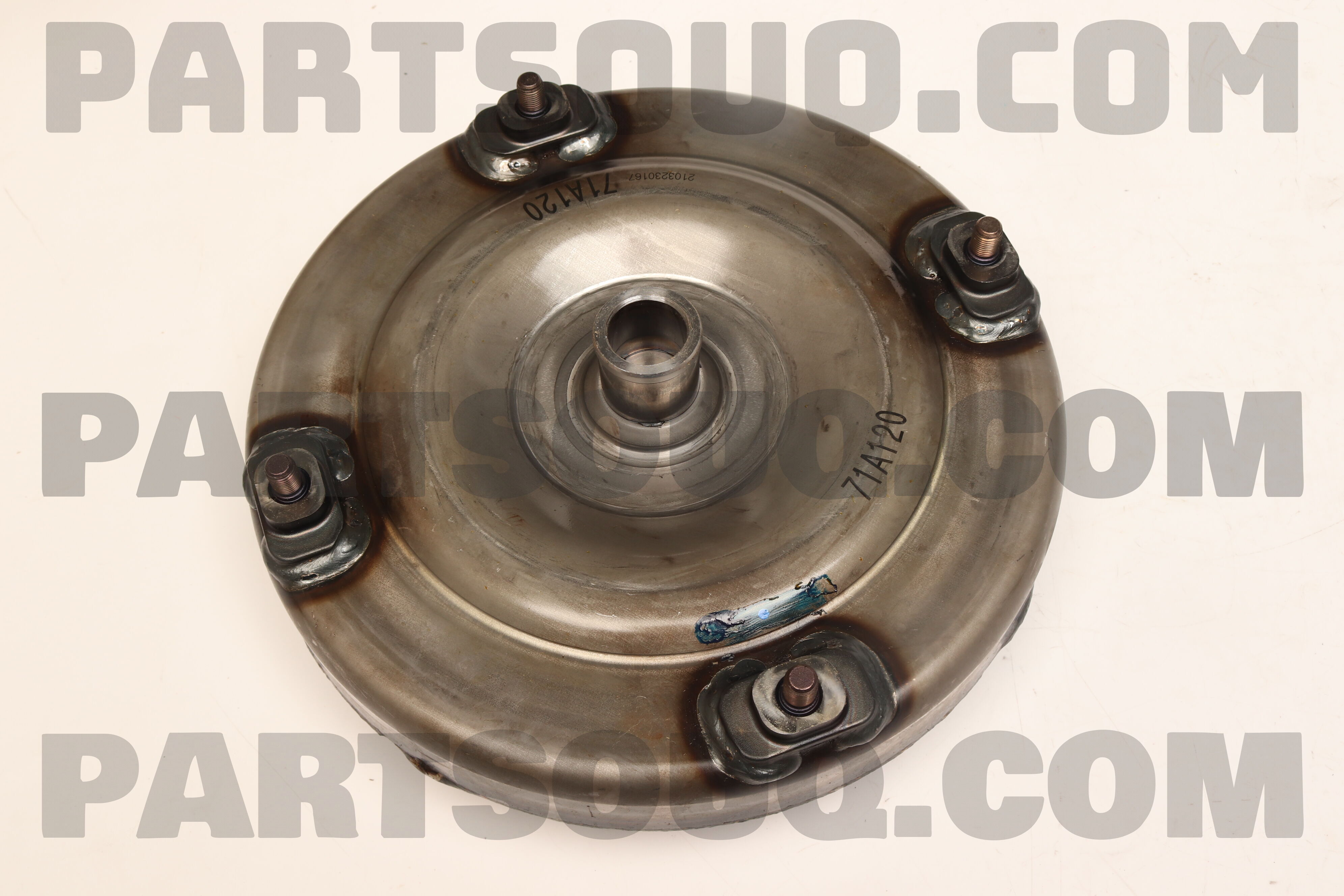
Understanding the Importance of the Torque Converter
The torque converter stands as a pivotal component within the automatic transmission system of your vehicle. Its primary function is to transfer and multiply the engine's power to the transmission, allowing your car to smoothly shift gears without requiring manual clutch operation. This seamless transition not only enhances driving comfort but also optimizes the overall efficiency of the vehicle.
How the Torque Converter Works ⚙️
The torque converter consists of three main elements: the pump, turbine, and stator. As the engine runs, it powers the pump which circulates transmission fluid towards the turbine. The turbine then transmits this force to the transmission, propelling the vehicle. The stator, located between the pump and turbine, redirects the fluid returning from the turbine to improve efficiency and torque multiplication in low-speed conditions.
Consequences of a Damaged Torque Converter
Should the torque converter falter, drivers might experience a myriad of symptoms, such as shuddering during acceleration, slipping gears, or poor fuel efficiency. Over time, neglecting these issues could lead to overheating of the transmission, causing more severe damage and necessitating costly repairs.
Compatible Models