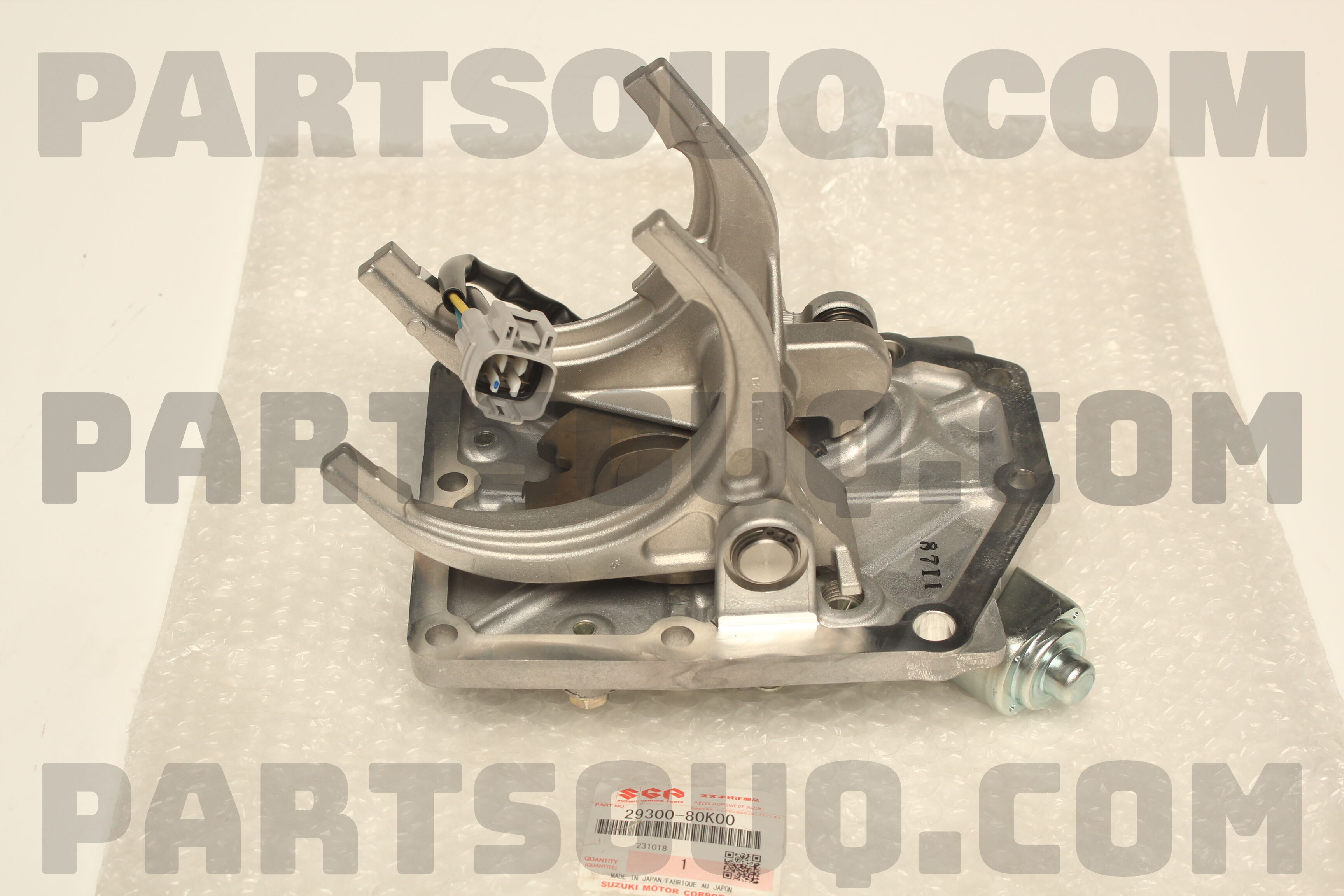
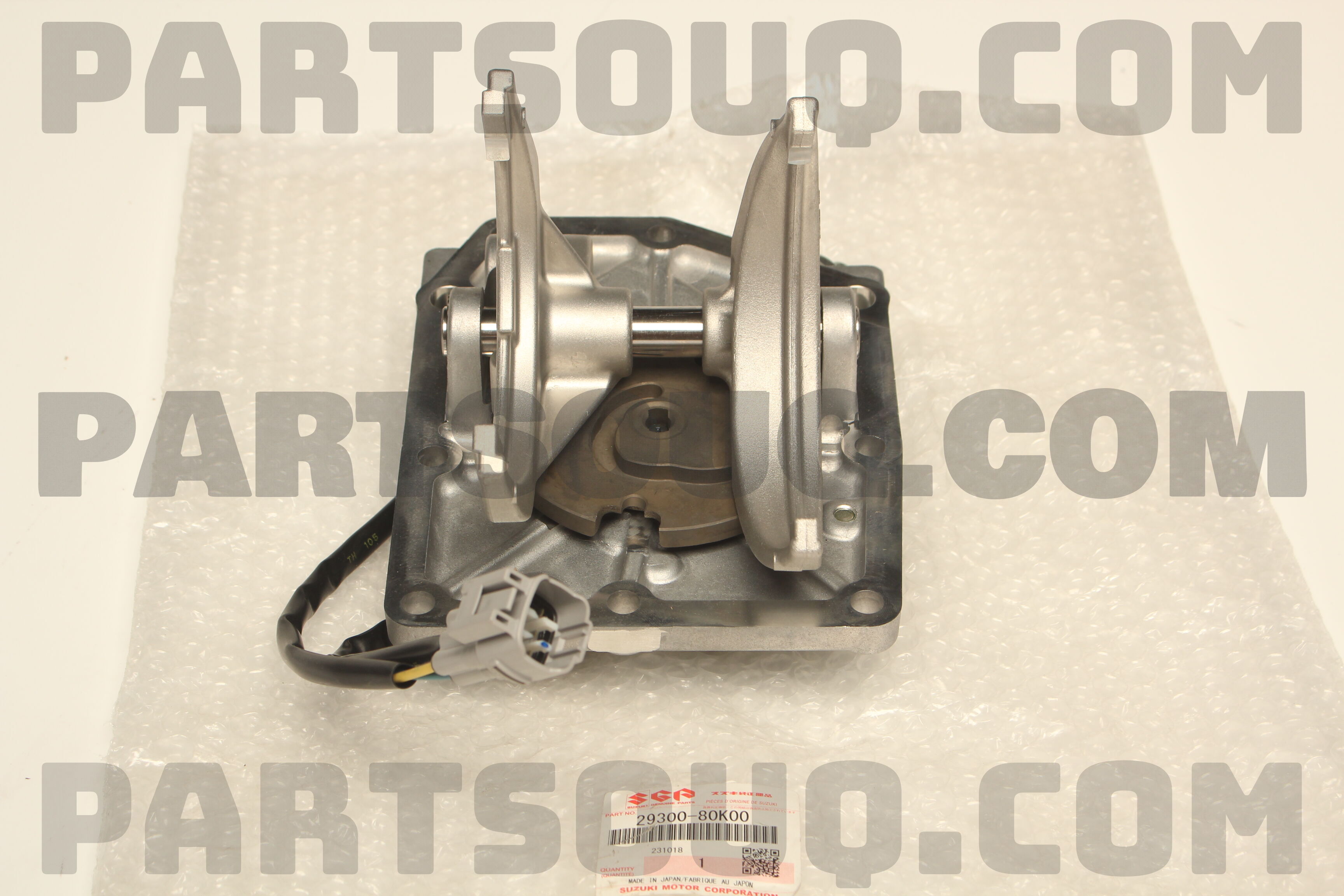
Essential Functionality of the Shift Motor Actuator
The shift motor actuator is an indispensable component in modern vehicles equipped with four-wheel drive systems. It is responsible for engaging and disengaging the transfer case, which allows the driver to switch between two-wheel and four-wheel drive modes seamlessly. This transition enhances vehicle performance on diverse terrains, ensuring optimal traction and stability.
Why You Need the Shift Motor Actuator
The actuator is crucial for drivers who frequently encounter variable road conditions, such as snow, mud, or off-road environments. It facilitates the change in drivetrain configuration, empowering the vehicle to tackle challenging surfaces with ease. Without this part, the ability to shift between driving modes could be compromised, affecting both safety and vehicle handling.
How It Works
Operating through a small electric motor, the actuator engages a series of gears within the transfer case. When the driver selects a different mode, the actuator rotates the necessary components to lock or unlock the corresponding gears, thus enabling the shift. This automatic process allows for smooth transitions without requiring manual intervention.
Potential Consequences of a Malfunctioning Actuator
If this component fails, the vehicle may become stuck in a single drivetrain mode, limiting its adaptability. This malfunction could lead to increased wear on tires and drivetrain components, decreased fuel efficiency, and reduced performance on varying terrains. Moreover, drivers may experience difficulty in maintaining control under adverse conditions, posing a potential safety risk.