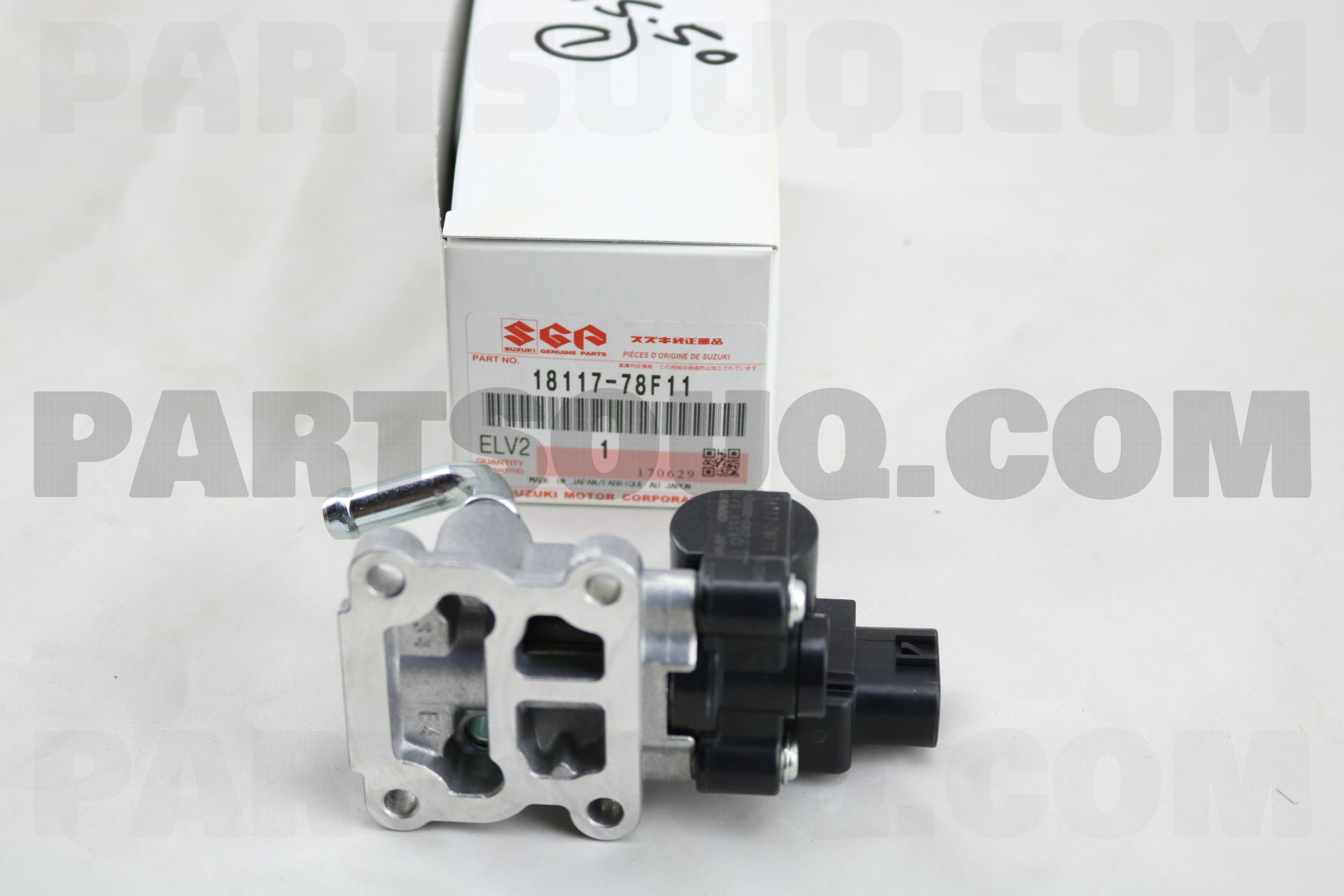
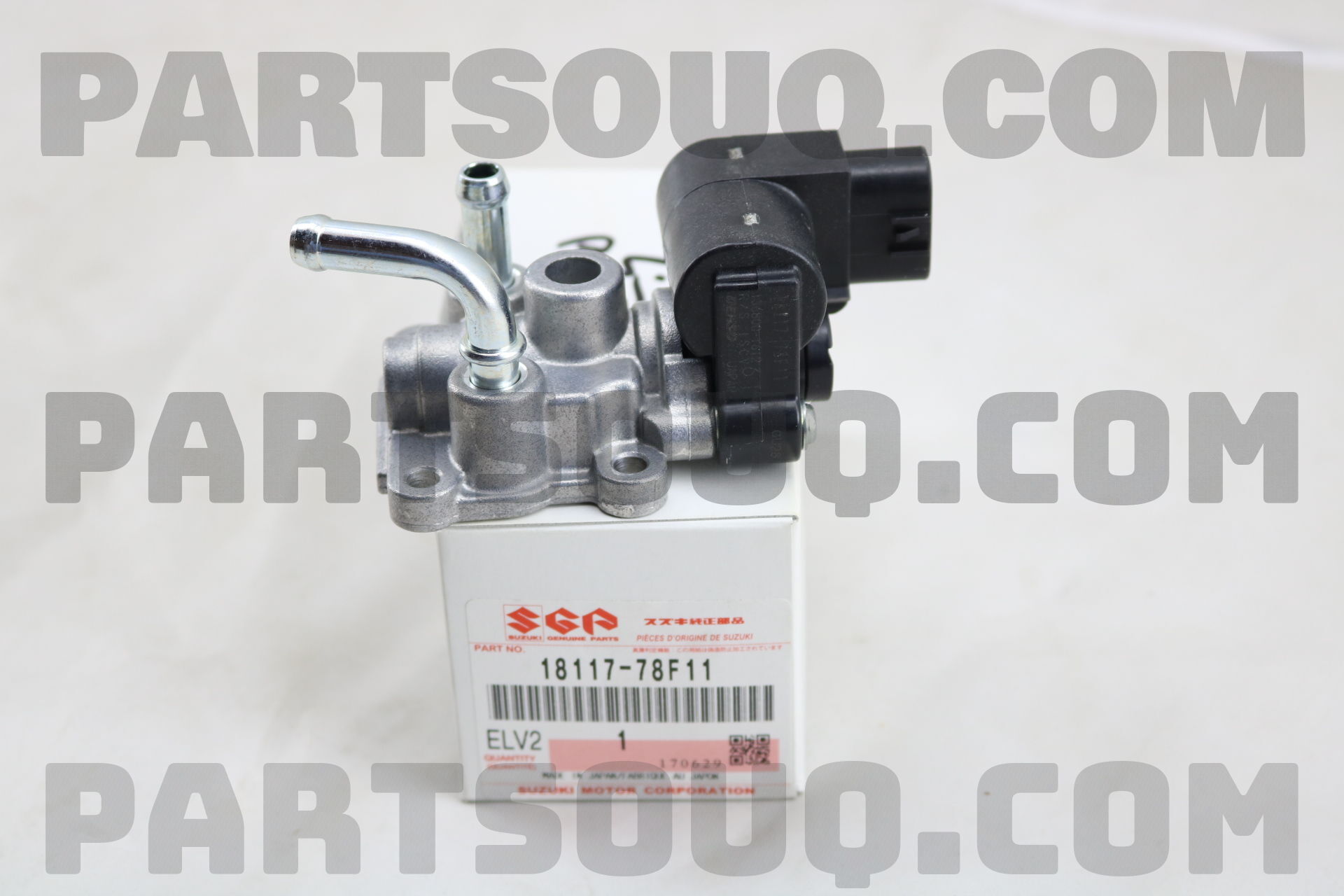
Understanding the Functionality of the ISC Valve
The Idle Speed Control (ISC) valve plays a critical role in managing the engine's idle speed, especially during startup or when additional load is introduced. Situated within the throttle body assembly, this component ensures that the engine runs smoothly by regulating the amount of air that bypasses the throttle plate, effectively controlling the engine's idle speed.
Why is the ISC Valve Needed
In modern vehicles, precise idle speed is crucial for emission control, fuel efficiency, and overall engine performance. The ISC valve helps maintain optimal idling by adjusting the air intake when engine conditions change – like with varied air conditioning or electrical load. Thus, it is indispensable for maintaining a consistent and smooth engine idle, enhancing the driving experience and engine longevity.
How Does the ISC Valve Work
The ISC valve operates through an electric solenoid or stepper motor, which adjusts its position based on signals from the engine control unit (ECU). The ECU calculates the required idle speed based on engine load, temperature, and other parameters, and sends signals to the ISC valve to allow more or less air to flow through, stabilizing the engine idle speed accordingly.
Consequences of a Malfunctioning ISC Valve
If the ISC valve fails, the engine may exhibit irregular idling characteristics such as stalling, rough idling, or unpredictable idle speeds. A defective ISC valve can lead to increased fuel consumption and elevated emissions. Over time, persistent issues could contribute to engine component wear and reduced vehicle reliability.
Compatible Car Models
- Jimny
- Ignis
- Liana
- Wagonr+
- Aerio
- Chevrolet Cruize/Mw
- Kei/Swift
- Wagon R