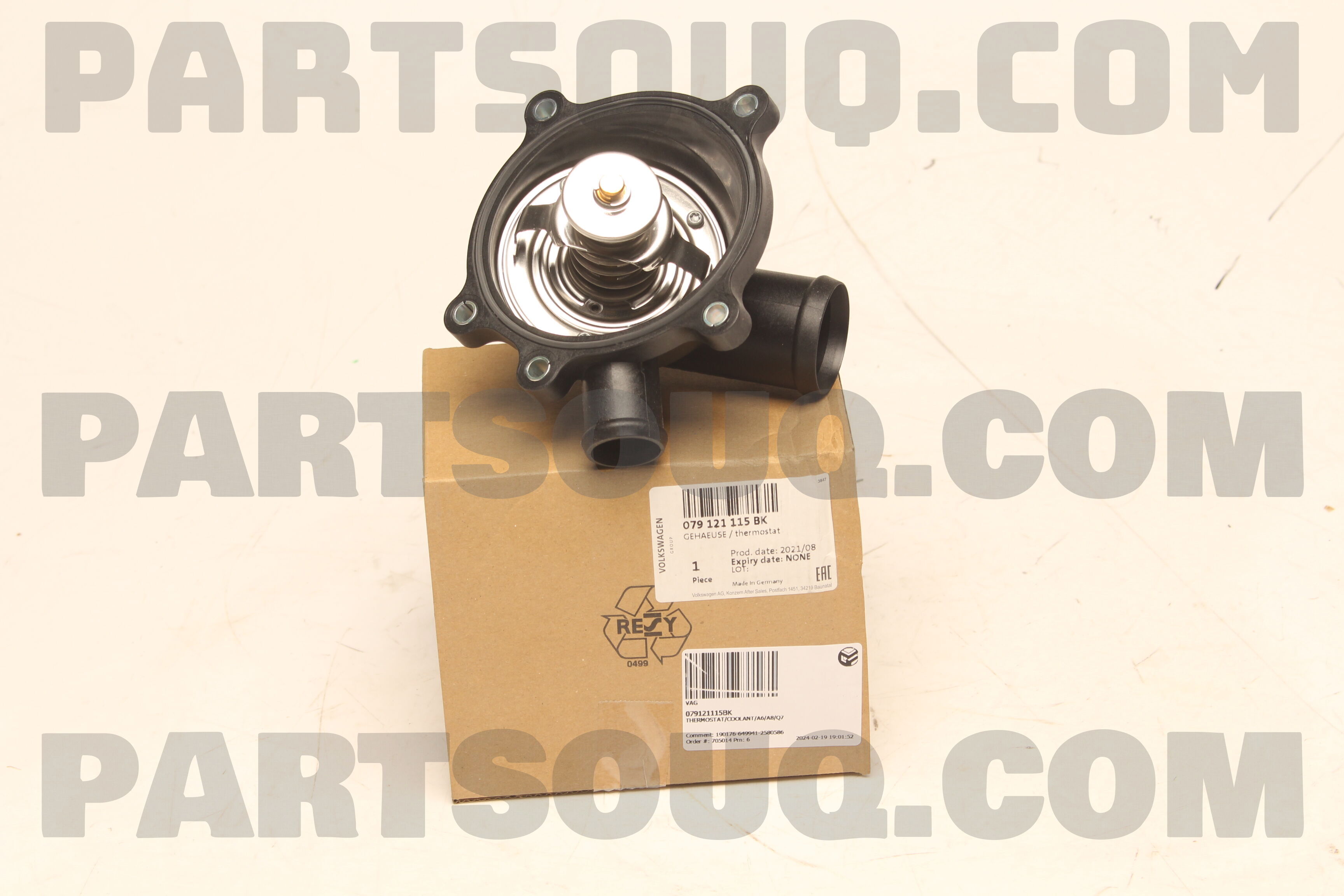
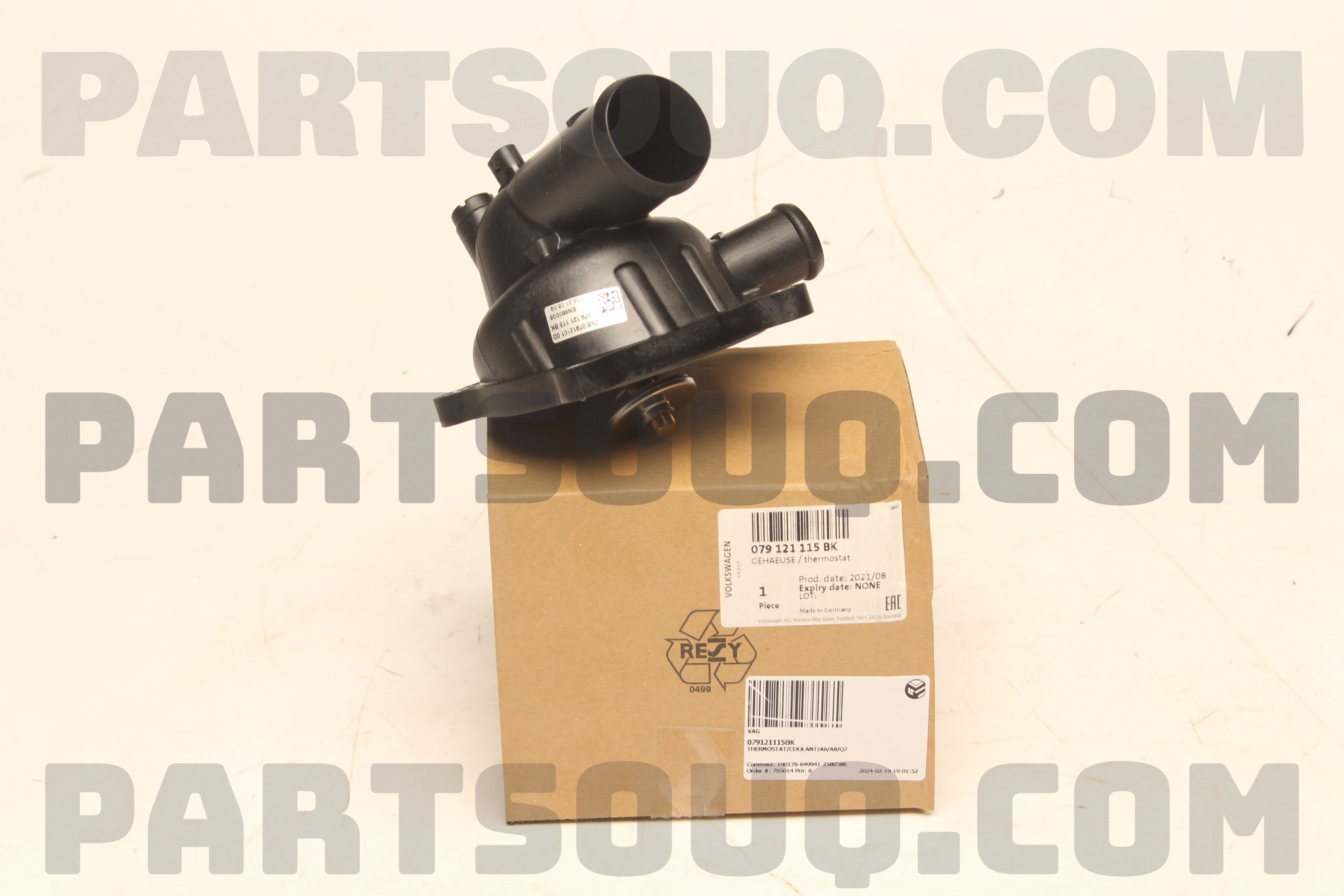
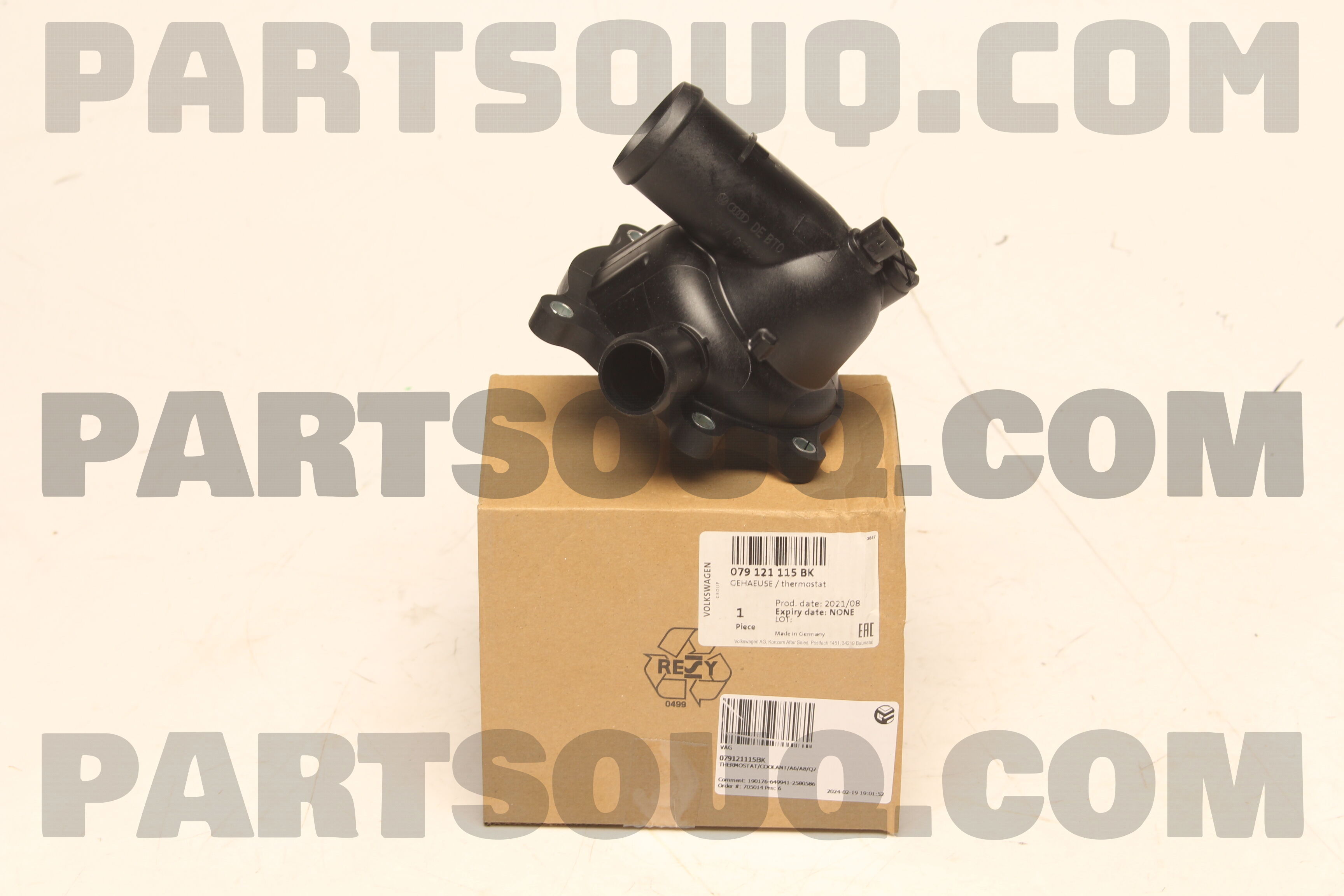
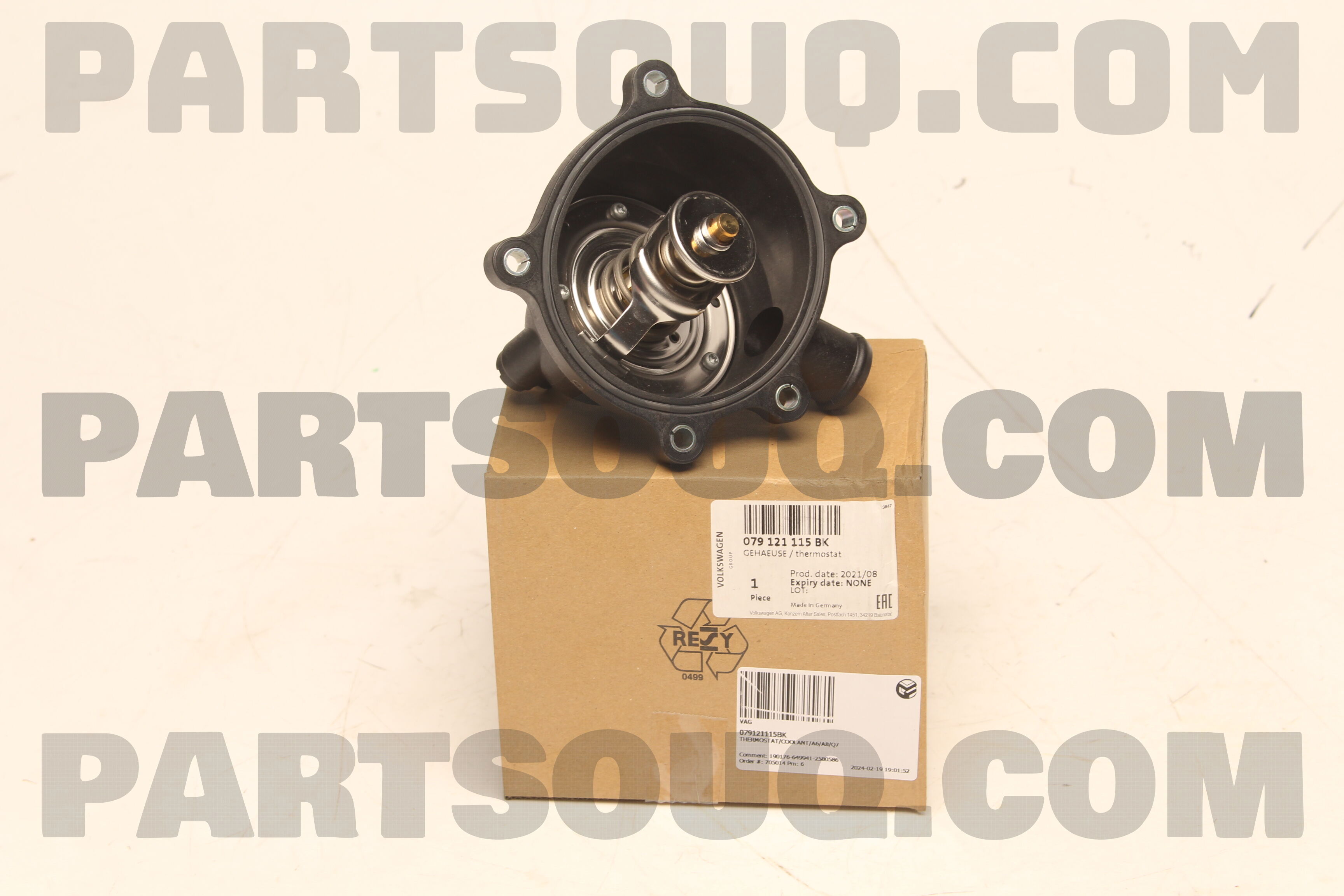
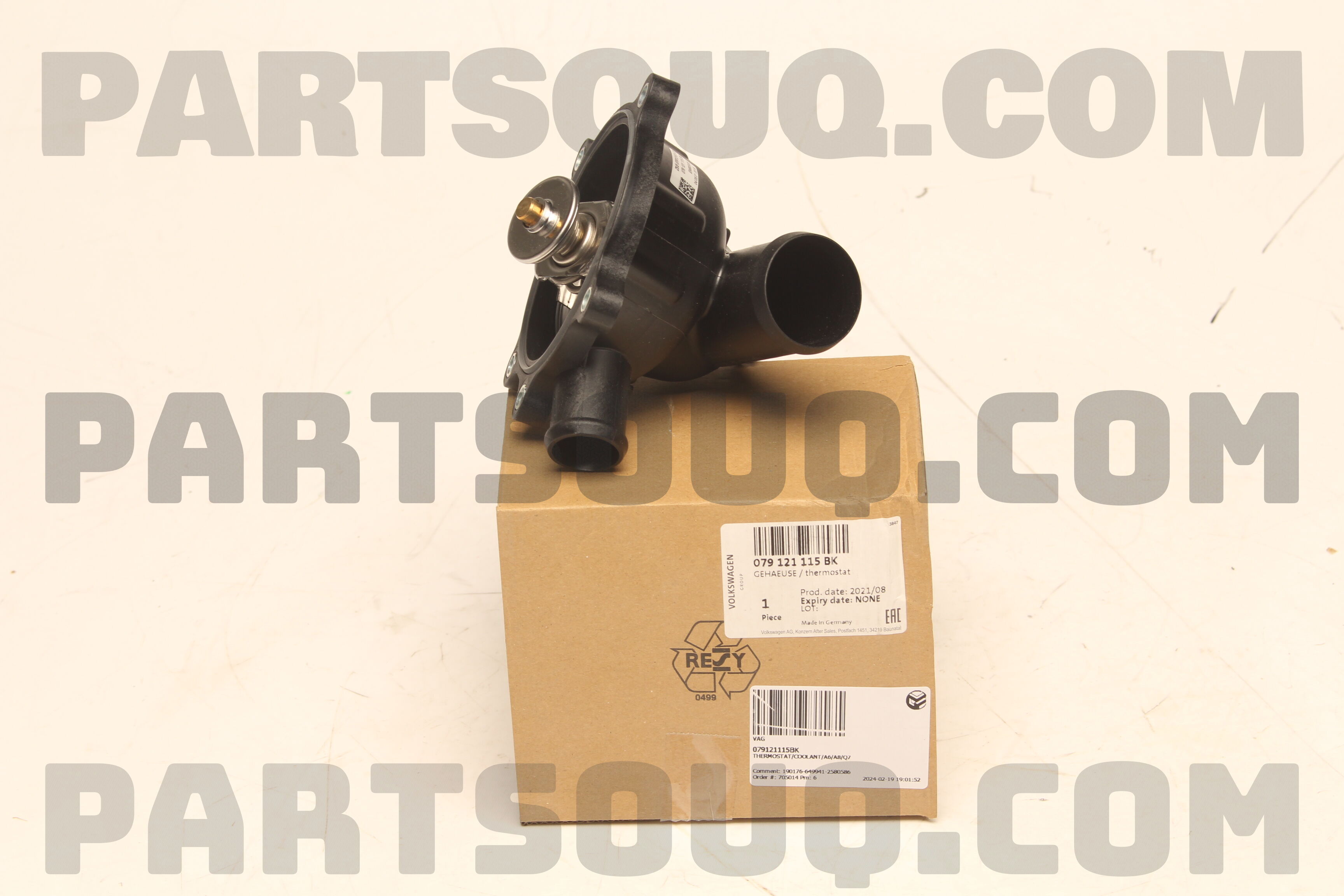
079121115BK VAG THERMOSTAT/COOLANT/A6/A8/Q7, Price: 266.42$, Weight: 0.25kg
| Make | Number | Name | Availability | Weight, kg | Ship in, Days | Price |
|---|---|---|---|---|---|---|
VAG |
079121115BK |
THERMOSTAT/COOLANT/A6/A8/Q7 |
1 |
0.25 |
2-3 |
266.42$ |
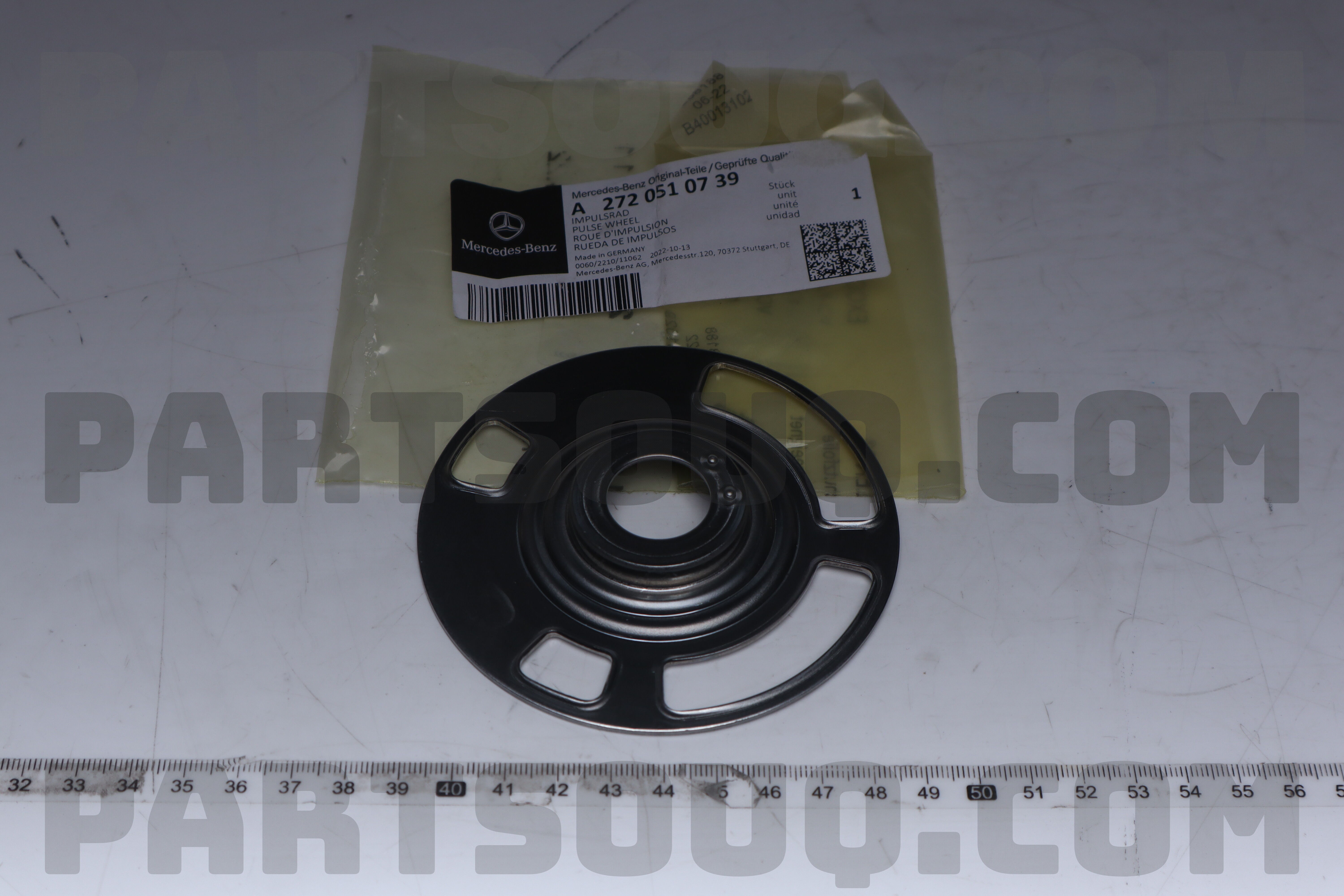


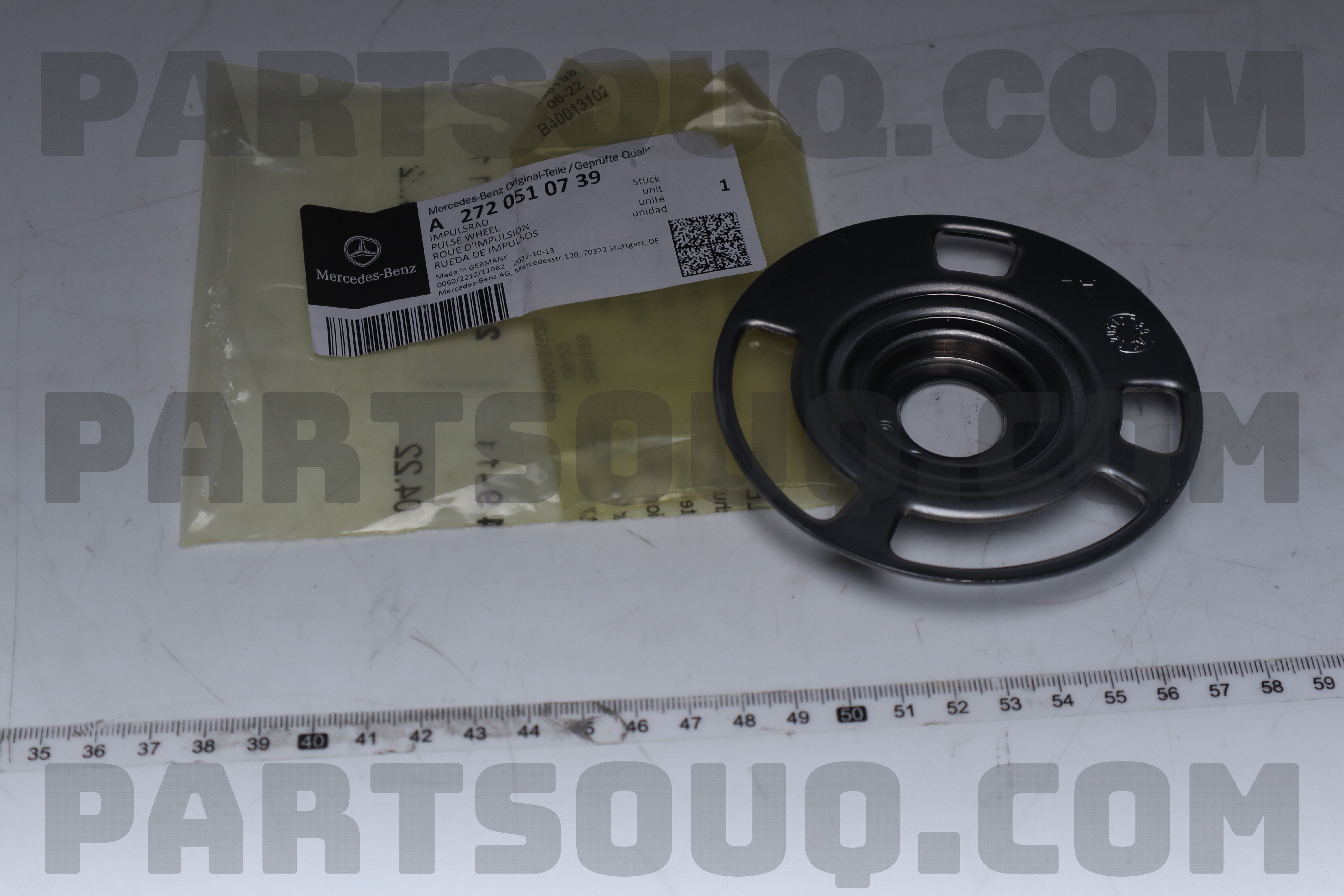
Engine Coolant Thermostat for Audi A6, A8, Q7 ️
This OE-grade coolant temperature regulator keeps your Audi’s V6/V8 running at the ideal operating range. It balances warm-up speed and cooling performance, protecting the engine, turbo seals, and catalytic converters while improving fuel economy and cabin heat.
Why this part is needed ✅
The thermostat controls when coolant flows to the radiator. By holding coolant inside the block during warm-up, the engine reaches working temperature faster, reducing wear, emissions, and fuel use. Once hot, it meters flow to maintain a steady gauge reading, even in traffic or towing.
How it works ⚙️
Inside is a wax capsule and calibrated spring. As coolant heats, the wax expands, pushing a piston that opens the valve and redirects flow from the bypass to the radiator. Precision sealing and an O-ring prevent leaks, ensuring stable pressure in the cooling system.
What happens if it fails ❗
Stuck closed: rapid overheating, boiling coolant, warped heads, and possible head-gasket damage. Stuck open: slow warm-up, weak heater, rich mixture, higher fuel use, and fault codes (like low coolant temp). Leaking housing or seal: coolant loss, air pockets, and fluctuating temperatures.
Fitment & quality
Designed for selected Audi A6, A8, and Q7 petrol engines. OE-style housing, precise wax pellet, and durable spring ensure long life and exact flow control.
Installation tips ️
Replace the gasket, use fresh G12/G13 coolant, and bleed the system thoroughly. Tighten bolts evenly, inspect hoses and water pump, and verify with a stable temperature gauge after a road test.