MX927086 Mitsubishi WHEEL CYLINDER ASSEM, Price: 293.52$, Weight: 0.56kg
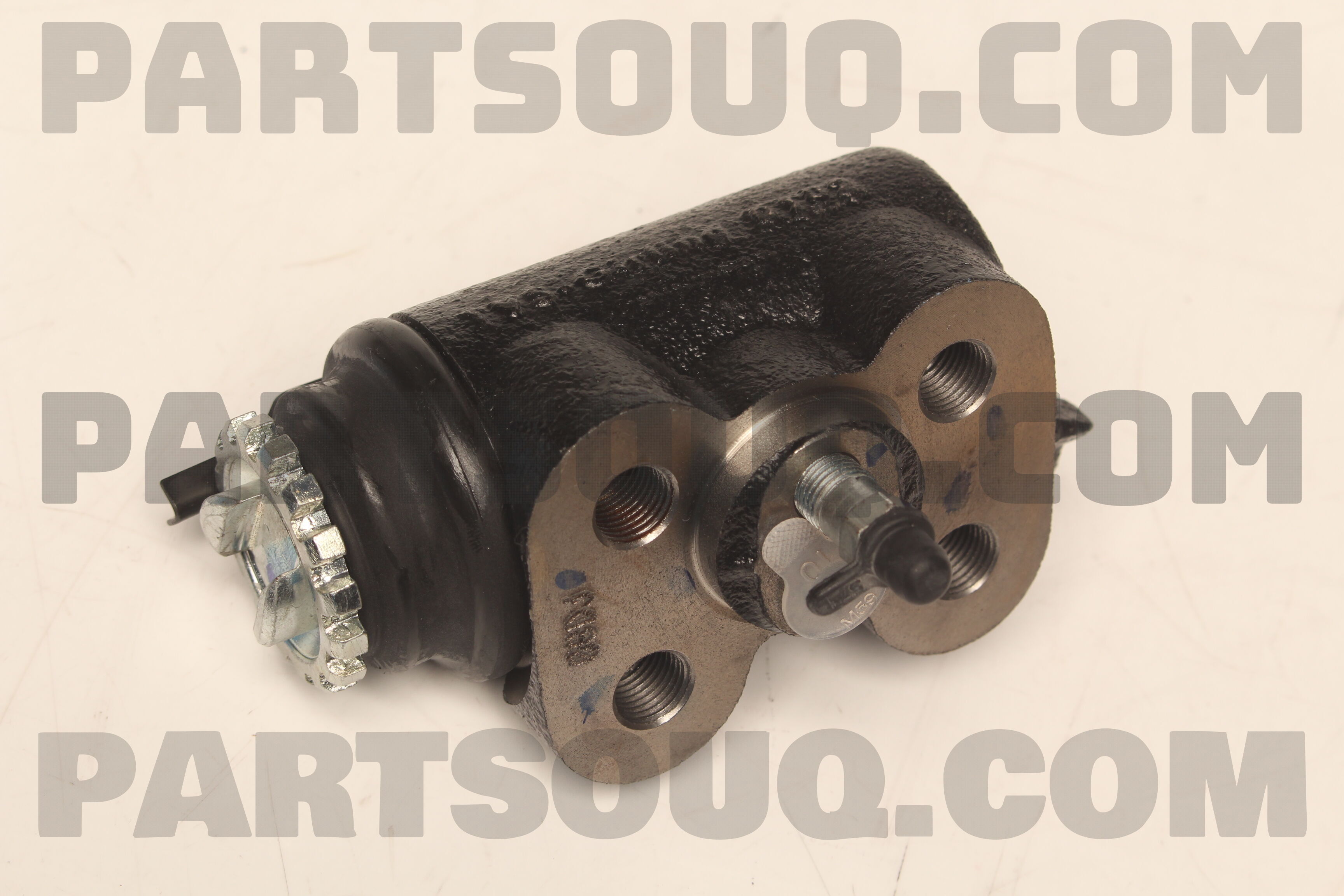


| Make | Number | Name | Availability | Weight, kg | Ship in, Days | Price |
|---|---|---|---|---|---|---|
Mitsubishi |
MX927086 |
WHEEL CYLINDER ASSEM |
0 |
0.56 |
15-20 |
293.52$ |
| Not Available | ||||||
Originals
| Make | Number | Name | Availability | Weight, kg | Processing, days | Price | |
|---|---|---|---|---|---|---|---|
| Napco |
MX927086
|
WC/ MX-927086-NAP MITSUBISHI CANTER 125 HDX, PS136 DEPAN
|
109 |
0.644
|
4-5
|
12.32$
|
|
| Nakamoto |
MX927086
|
WHEEL CYL
|
70 |
0.644
|
4-5
|
18.27$
|
|
| Axcel |
MX927086
|
WC/ MX-927086-AXL MITSUBISHI CANTER 125 HDX, PS136 DEPAN
|
25 |
0.644
|
2-3
|
34.68$
|
|
| SANYCO |
MX927086
|
WHEEL BRAKE CYLINDER
|
0 |
0.644
|
4-5
|
34.94$
|
Not Available |
| FUSO |
CYLINDER ASSY,RR BRA
|
0 |
0.644
|
-
|
232.42$
|
Not Available | |
| FUSO |
CYLINDER ASSY,RR BRA
|
0 |
0.644
|
-
|
243.16$
|
Not Available | |
| Mitsubishi |
WHEEL CYLINDER ASSEM
|
0 |
0.644
|
-
|
293.52$
|
Not Available |
Substitutions
| Make | Number | Name | Availability | Weight, kg | Processing, days | Price | |
|---|---|---|---|---|---|---|---|
| ADVICS |
WCMPA61
|
BRAKE WHEEL CYLINDER MI FUSO MX927086 CANTER 2016- ADVICS
|
0 |
0.644
|
4-5
|
22.97$
|
Not Available |
Essential Component for Your Vehicle's Braking System
The wheel cylinder is a vital component in your vehicle's braking system, ensuring safe and effective stopping power. This specific part is designed to work perfectly with certain Mitsubishi models, guaranteeing optimal performance and reliability. Its primary function is to convert hydraulic pressure into mechanical force, which is necessary to push the brake shoes against the brake drum.
How It Works ⚙️
When you press the brake pedal, the master cylinder generates hydraulic pressure that travels through the brake lines. This pressure reaches the wheel cylinder, which has internal pistons. These pistons are pushed outward as the hydraulic pressure builds, forcing the brake shoes to exert pressure on the drum. This friction slows down the wheel, allowing the vehicle to stop safely and efficiently.
Importance of Regular Maintenance
A malfunctioning wheel cylinder can lead to uneven braking or even complete brake failure. If it becomes damaged or leaks fluid, the hydraulic pressure is compromised, significantly reducing the vehicle's ability to stop. Symptoms of a faulty wheel cylinder include a soft brake pedal, reduced braking power, or noticeable brake fluid leaks near the wheels.
What Happens If This Part Fails
Neglecting to replace a failing wheel cylinder can have severe consequences. You may experience decreased braking efficiency, leading to increased stopping distances and the risk of accidents. Additionally, a faulty cylinder can cause further damage to the brake system, increasing repair costs over time. Regular inspections and timely replacements are crucial to maintaining the safety and longevity of your vehicle.