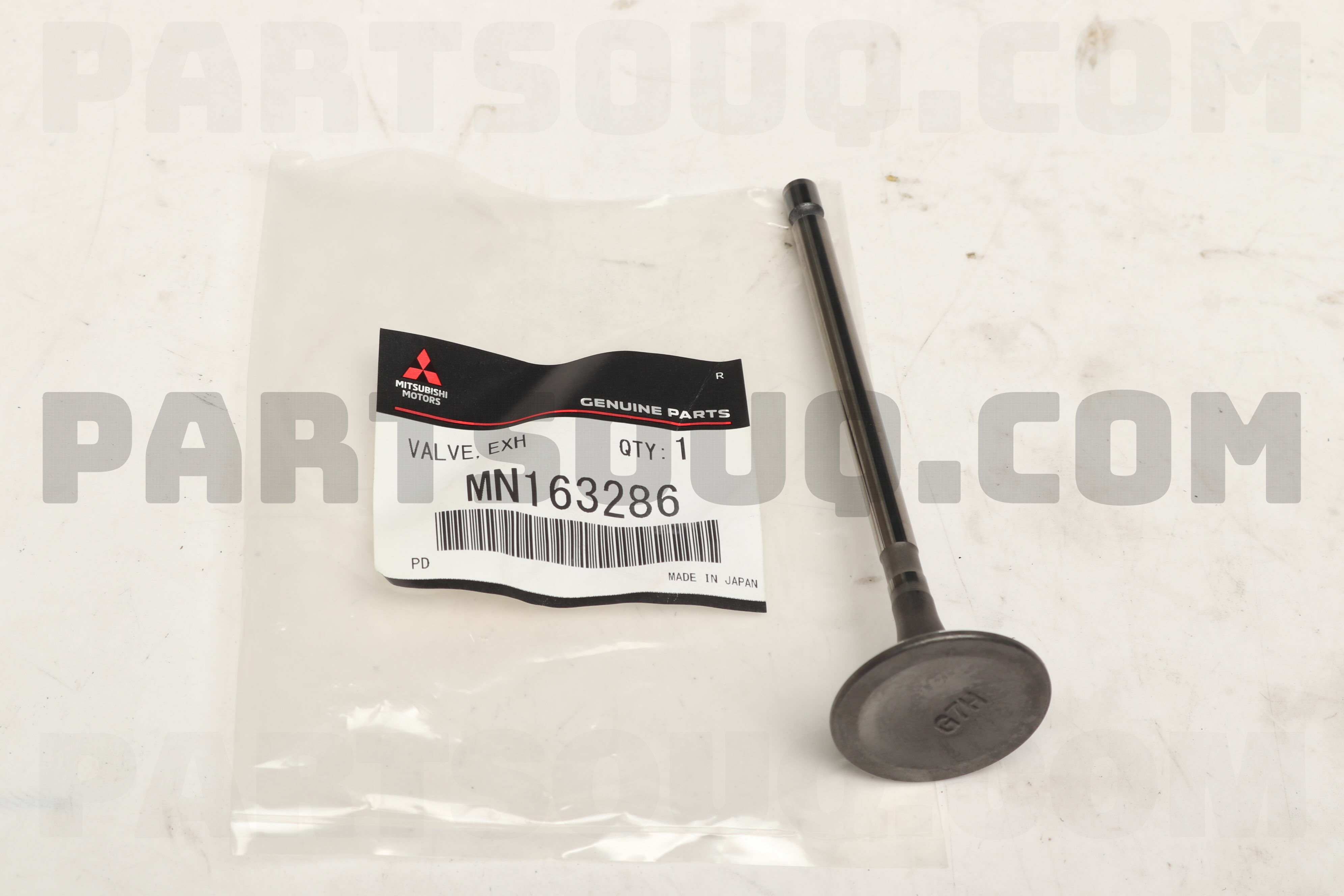
Understanding the Role of the Exhaust Valve in Your Vehicle
The exhaust valve is a critical component of the engine's combustion system. It plays a pivotal role in regulating the outflow of exhaust gases from the combustion chamber. When your engine burns fuel, it generates not only power but also a significant amount of exhaust gas. The exhaust valve is responsible for allowing these gases to exit the engine smoothly.
Why Your Vehicle Needs This Part
Without a functioning exhaust valve, those gases can't escape properly, leading to increased pressure within the engine. This can affect engine performance, reduce efficiency, and even lead to severe engine damage over time. The exhaust valve ensures that gases are expelled at the right moment, maintaining optimal engine function.
How the Exhaust Valve Works ⚙️
As part of the engine's cycle, the exhaust valve opens and closes at precise intervals. Controlled by the camshaft, the valve opens when the piston reaches the bottom of its stroke, allowing exhaust gases to flow into the exhaust manifold. The synchronization of this function is crucial for the engine's efficiency and output.
Consequences of a Broken Exhaust Valve ❌
If an exhaust valve becomes defective, it can lead to a host of problems, such as misfires, loss of power, unusual noises, and even engine overheating. Ignoring these signs can escalate into costly repairs and potentially irreversible engine damages. Early diagnosis and replacement are key to maintaining engine integrity.
Compatible Car Models
- Galant
- Eclipse
- Eclipse Spyder
- Pajero/Montero <Short>
- Pajero/Montero <Long>
- Pajero
- Pajero/Montero
- Montero