Understanding the Crucial Role of the Drive Belt
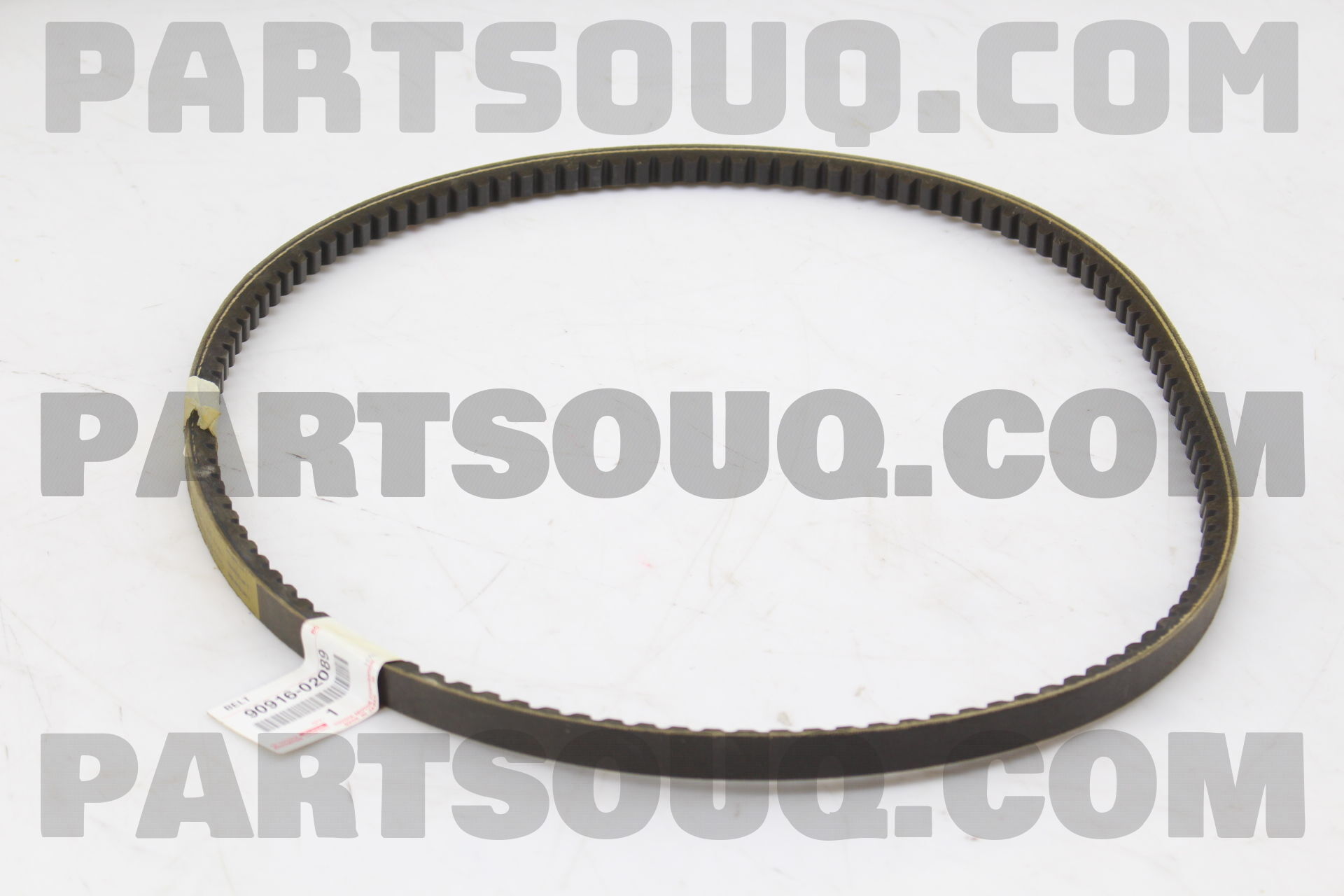
The drive belt, an essential component in the efficient functioning of your car, is sometimes underestimated. As an auto parts specialist with a century's worth of experience, I can tell you this part, often referred to as the serpentine belt, is designed for the long-haul operation of your vehicle's various systems.
Why is the Drive Belt Needed
The drive belt's primary task is to transfer power from the engine to several peripheral devices like the alternator, power steering pump, air conditioning compressor, and more. Without the drive belt, these components wouldn't be able to function, severely affecting your car's performance.
How Does the Drive Belt Work
Driven by the engine's crankshaft, the belt, often made of rubber, winds its way around different pulleys. This action allows each connected component to receive power from the engine effectively. As the serpentine belt spins around these pulleys, it causes these peripheral devices to operate and perform their intended functions.
The Impact of a Broken Drive Belt
Though drive belts are designed to last, they're not invincible. With time, they can wear down and even break. When this happens, the immediate effect is the loss of function in your engine’s auxiliary components. The alternator might cease to generate power, leaving your battery uncharged. The power steering pump could stop working, making the car harder to steer. Moreover, your air conditioning may no longer provide cool air, which can be particularly problematic in hot weather.
Conclusion
In a nutshell, ensuring the good health of your serpentine belt is vital for your car's overall performance and your comfort on the road. Regular inspections and replacements are a crucial part of this process.
Compatibility of Drive Belt