9036312003 Toyota BEARING (FOR INPUT SHAFT), Price: 8.21$, Weight: 0.02kg

| Make | Number | Name | Availability | Weight, kg | Ship in, Days | Price |
|---|---|---|---|---|---|---|
Toyota |
9036312003 |
BEARING (FOR INPUT SHAFT) |
0 |
0.02 |
7-10 |
8.21$ |
| Not Available | ||||||
Originals
| Make | Number | Name | Availability | Weight, kg | Processing, days | Price | |
|---|---|---|---|---|---|---|---|
| Toyota |
BEARING (FOR INPUT SHAFT)
|
0 |
0.023
|
-
|
8.76$
|
Not Available |
Substitutions
| Make | Number | Name | Availability | Weight, kg | Processing, days | Price | |
|---|---|---|---|---|---|---|---|
| KOYO |
BALL BEARING
|
0 |
0.064
|
4-5
|
2.28$
|
Not Available | |
| NACHI |
BEARING
|
0 |
0.064
|
4-5
|
2.01$
|
Not Available | |
| NACHI |
60012NSE
|
BEARING
|
0 |
0.029
|
4-5
|
1.94$
|
Not Available |
| NTN |
6001DDUCM
|
BEARING /6001DDUC3E
|
0 |
0.03
|
4-5
|
1.86$
|
Not Available |
| NSK |
6001ZZ
|
BEARING
|
0 |
0.064
|
4-5
|
1.79$
|
Not Available |
| NTN |
6001ZZ
|
BEARING
|
0 |
0.03
|
4-5
|
1.68$
|
Not Available |
| NSK |
BEARING /6001DDUC3E
|
0 |
0.03
|
4-5
|
1.62$
|
Not Available | |
| KG |
6001ZZ
|
BALL BEARING
|
0 |
0.012
|
4-5
|
0.42$
|
Not Available |


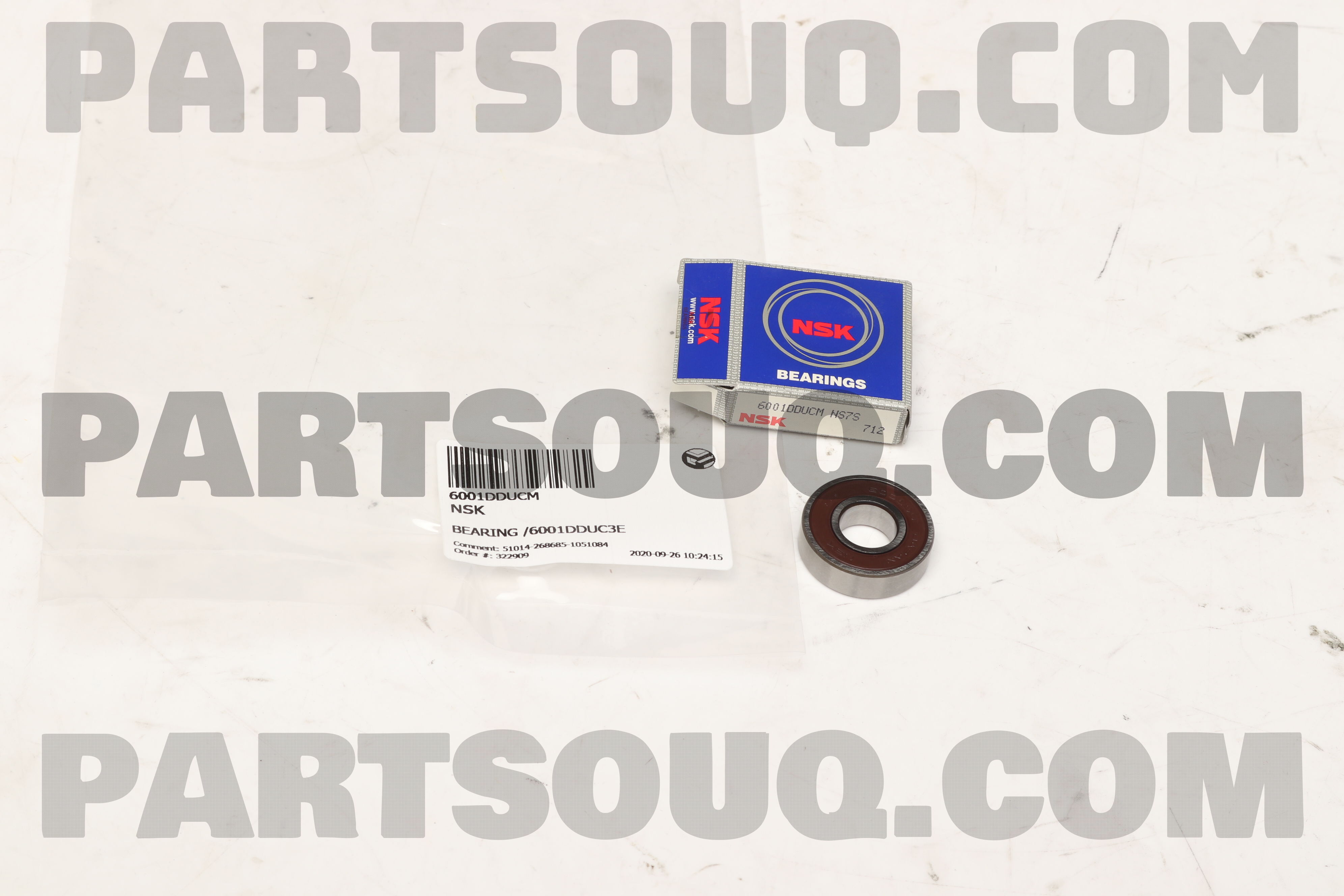
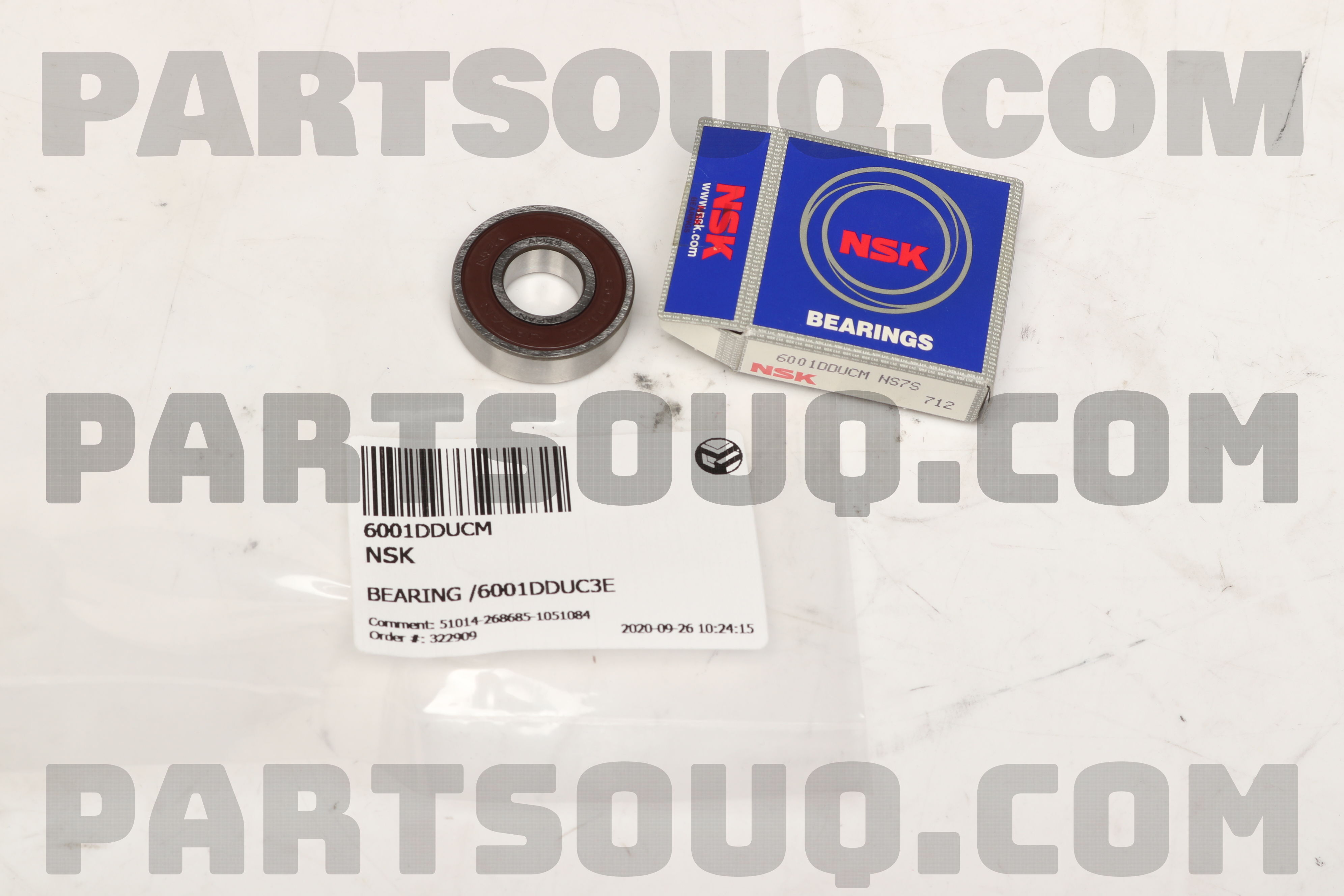
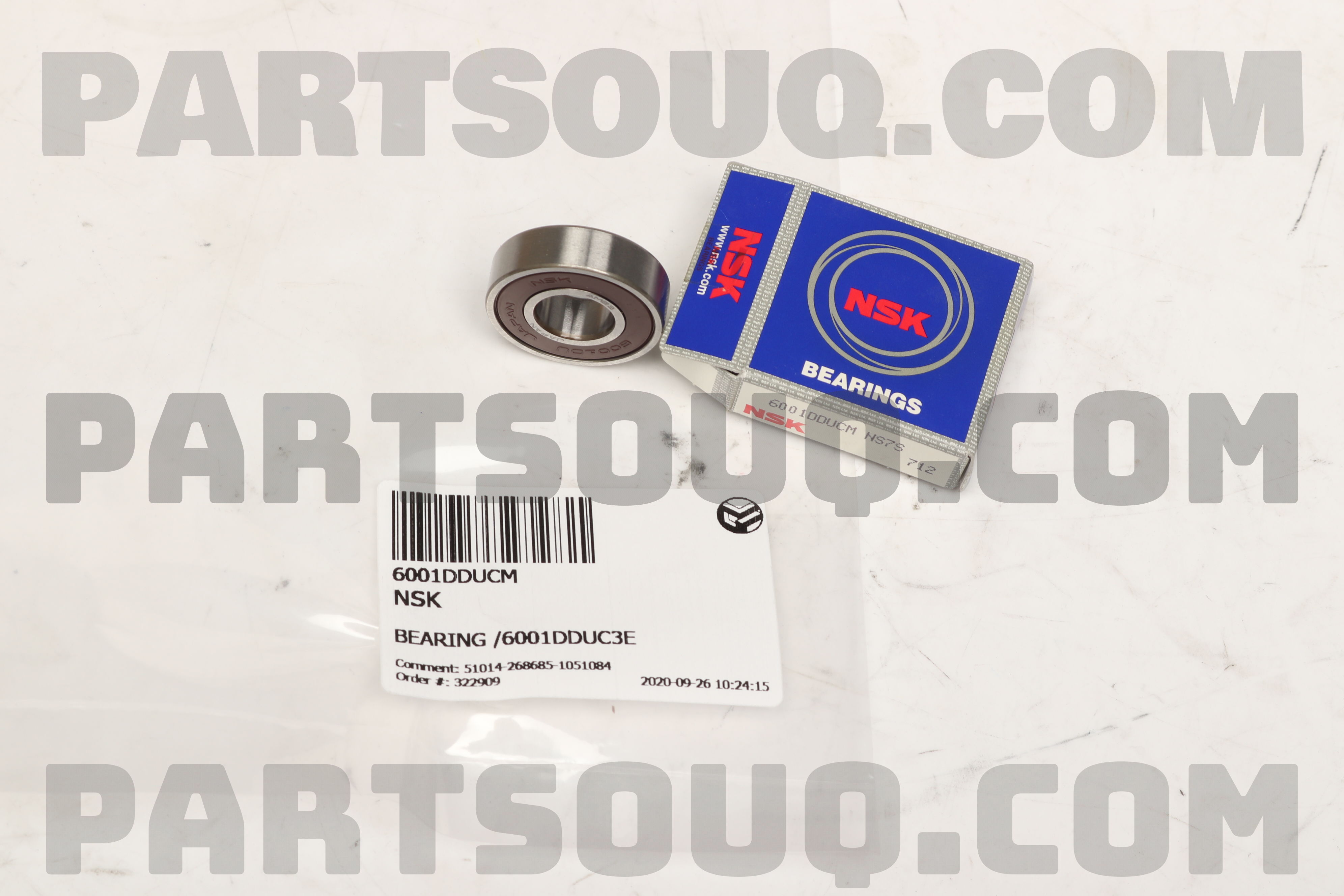
Input Shaft Bearing: The Unsung Hero of Smooth Transmissions 🛠️
When it comes to ensuring a seamless and efficient drive, the input shaft bearing for your Toyota's transmission system plays a pivotal role. Sitting quietly within the transmission housing, this component might not be visible, but its importance is undeniable.
Why This Component is Essential
The input shaft bearing is crucial for maintaining the alignment and smooth operation of the transmission’s input shaft. This bearing supports the shaft, allowing it to rotate freely while transferring the engine's power to the transmission gears. Without it, the efficiency and lifespan of your transmission system would be significantly compromised.
How It Works
Constructed from high-quality materials designed to withstand intense rotational forces and high temperatures, this bearing ensures minimal friction when the input shaft spins. Positioned precisely, it enables the shaft to rotate smoothly, transferring power without causing wear to adjoining components. The bearing’s design reduces noise and vibration, contributing to a smoother driving experience.
Potential Issues When the Part Fails
If the input shaft bearing starts to wear out or fail, drivers might notice grinding noises, increased vibration, or a more difficult gear shift. Over time, a failed bearing can lead to severe damage within the transmission, increasing repair costs and causing potential safety hazards. Regular maintenance checks can prevent such issues by catching wear early on. Without a fully functioning input shaft bearing, the risk of complete transmission failure increases, leading to significant vehicle downtime and expensive repairs.
In summary, the input shaft bearing might be a small part, but it’s central to the smooth operation of your Toyota’s transmission. Ensure its longevity by opting for quality parts and routine inspections. 🔧