8946736020 Toyota SENSOR, AIR FUEL RATIO, Price: 134.91$, Weight: 0.121kg


| Make | Number | Name | Availability | Weight, kg | Ship in, Days | Price |
|---|---|---|---|---|---|---|
Toyota |
8946736020 |
SENSOR, AIR FUEL RATIO |
0 |
0.121 |
7-10 |
134.91$ |
| Not Available | ||||||
Originals
| Make | Number | Name | Availability | Weight, kg | Processing, days | Price | |
|---|---|---|---|---|---|---|---|
| Toyota |
SENSOR, AIR FUEL RATIO
|
0 |
0.139
|
-
|
157.20$
|
Not Available |
Substitutions
| Make | Number | Name | Availability | Weight, kg | Processing, days | Price | |
|---|---|---|---|---|---|---|---|
| Toyota |
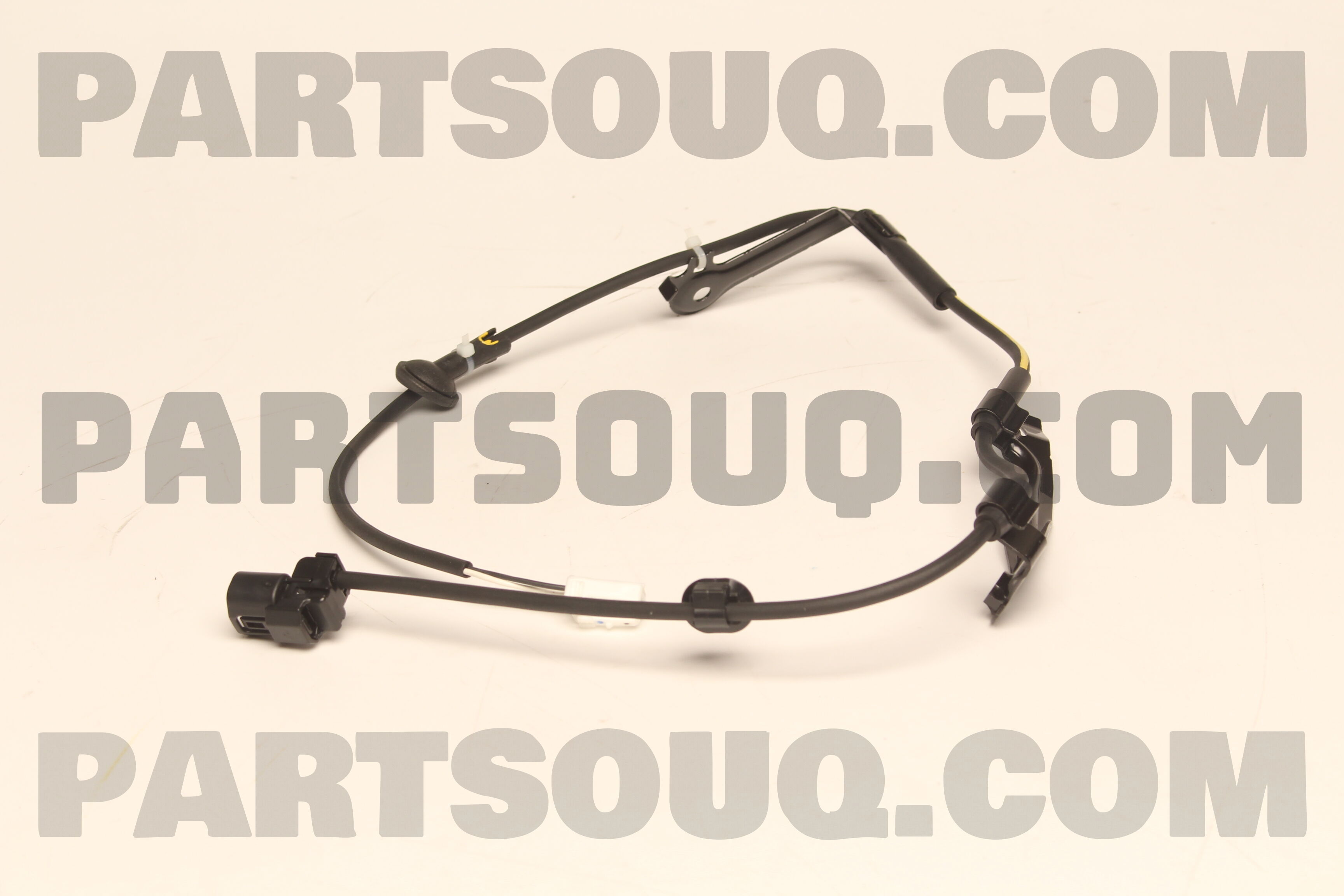
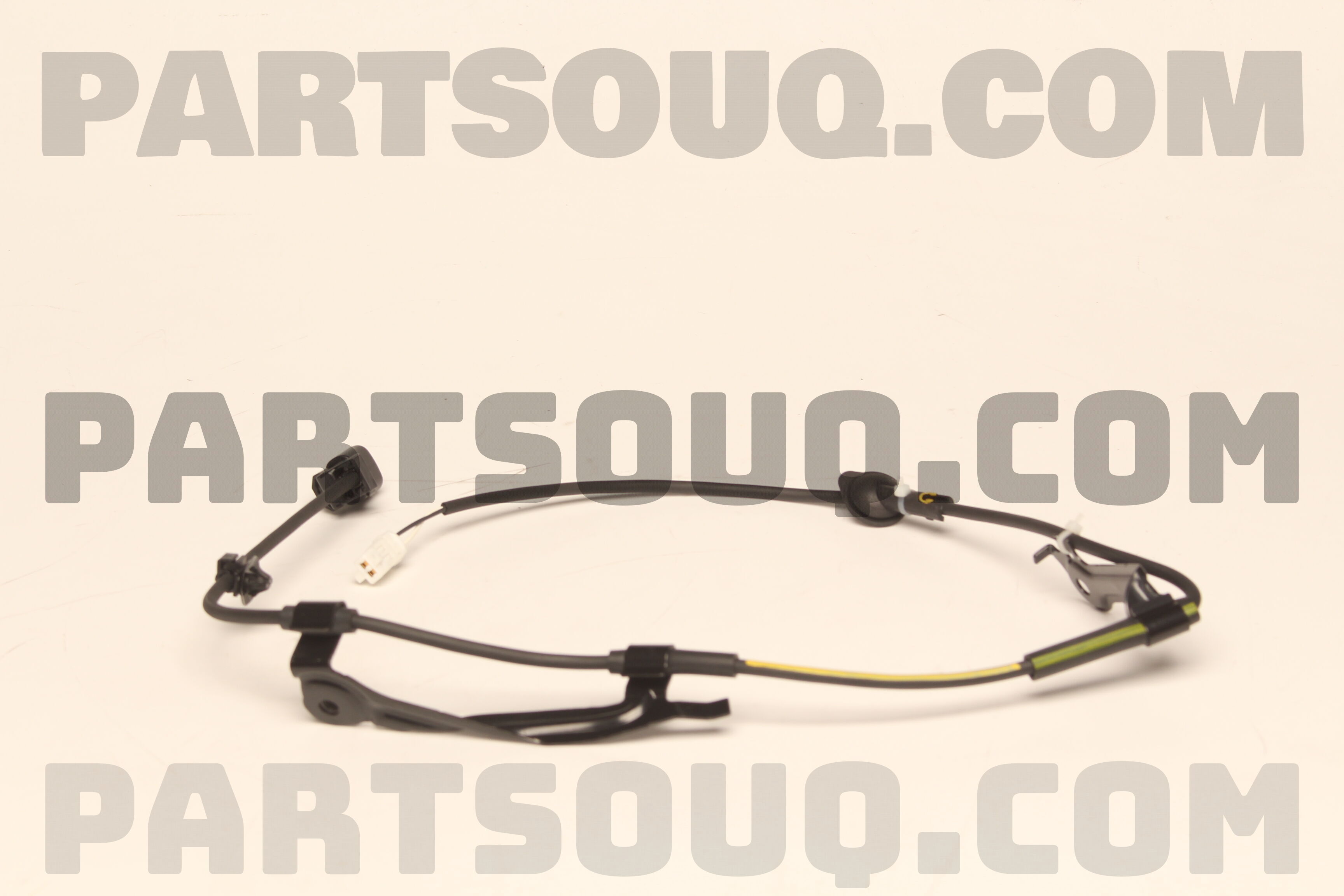
WIRE, SKID CONTROL SENSOR
|
1 |
0.07
|
2-3
|
26.75$
|


Compatibility
| Description | Model | Options | Prod Period | Diagram |
|---|---|---|---|---|
| BB60,BZB60,70,GDB##,HZB60,70,TRB60,70,XZB60,70,80 | TRB70L-ZXMSKV | ATM,MTM: MANUAL TRANSMISSION; Seating Capacity: 19-SEATER; Building Condition: COMPLETELY BUILT UNIT; Roof: HIGH-ROOF; Driver's Position: LEFT-HAND DRIVE VEHICLES; Grade: STANDARD TYPE; Fuel Induction: HIGH EFFICIENCY TWIN CAM; Gear Shift Type: MTM, 5-SPEED FLOOR SHIFT; Engine: (2TRFE) 2700CC 16-VALVE DOHC EFI; Destination: GULF CORPORATION COUNCIL | 01.2017 - ... | View |
Understanding the Air Fuel Ratio Sensor
In the intricate system that powers your vehicle, the air fuel ratio sensor plays a pivotal role. Primarily, this component ensures that the engine maintains optimal combustion by monitoring the mixture of air and fuel that enters the engine's cylinders. Achieving the ideal air-fuel mix is crucial not only for performance but also for efficiency and reduced emissions. 🌿
Why Is This Sensor Needed
Efficient combustion is key to maximizing your vehicle's power output while minimizing fuel consumption and harmful emissions. The air fuel ratio sensor provides the engine control unit (ECU) with vital data. This helps in adjusting the fuel injection system, ensuring that the mixture is neither too lean nor too rich. A perfectly balanced ratio results in smoother engine performance and better fuel economy.
How Does the Sensor Work
The sensor is positioned in the exhaust stream, typically before the catalytic converter. It measures the amount of oxygen in the exhaust gases and sends a voltage signal to the ECU. The ECU analyzes this data to determine the necessary adjustments in fuel delivery. This feedback loop is continuous, allowing for real-time adjustments that enhance engine performance and efficiency. 🔄
Consequences of a Faulty Sensor
If this sensor fails, a cascade of issues can arise. The ECU may receive incorrect data, resulting in an imbalanced air-fuel mixture. This can lead to poor engine performance, decreased fuel efficiency, and increased emissions. In some cases, a faulty sensor can even cause the vehicle to fail emissions tests, leading to costly repairs and inconveniences. Additionally, a check engine light may illuminate, signaling the need for a diagnostic check.
- Coaster