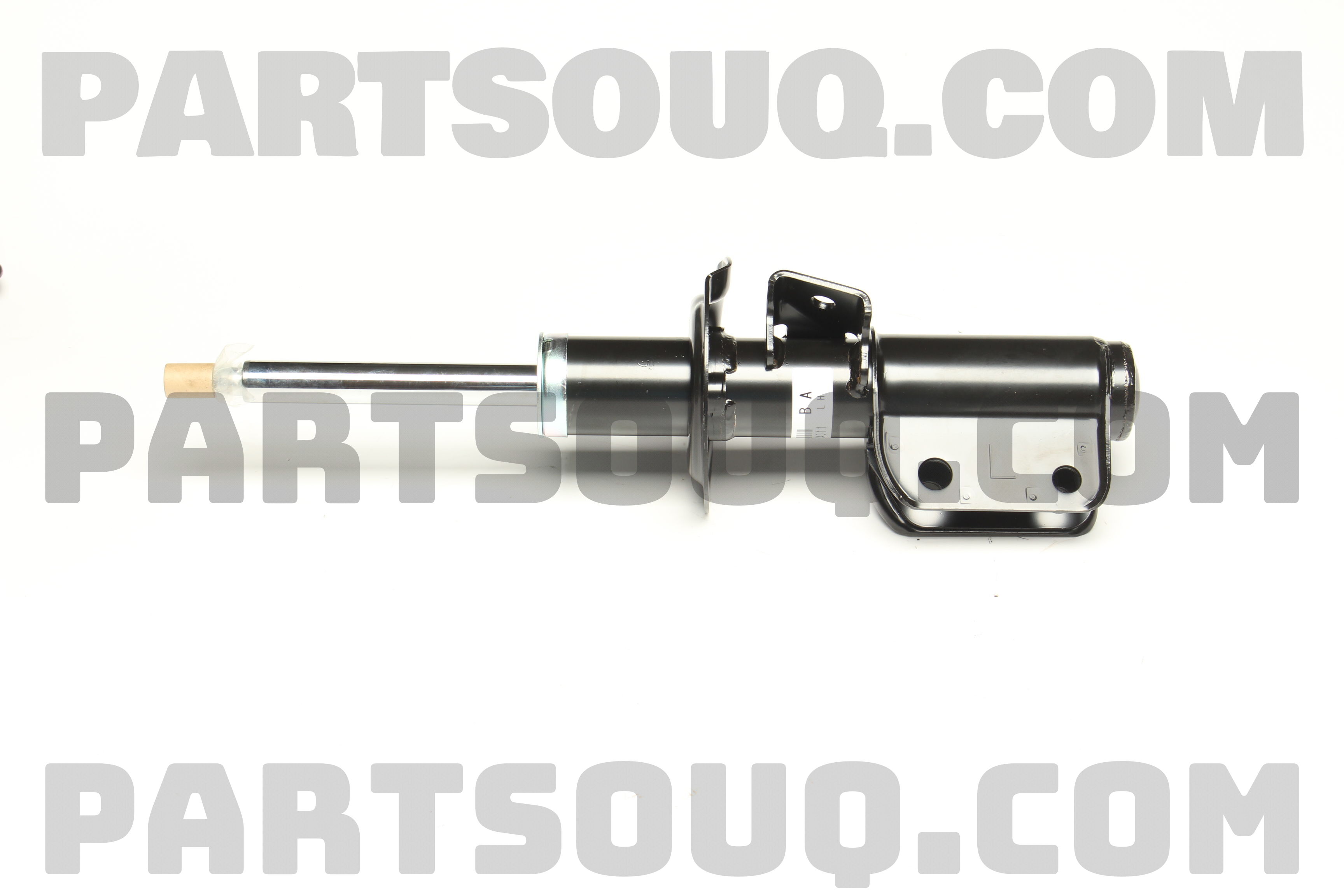
🔧 Oxygen Sensor: Vital for Efficient Engine Performance
The oxygen sensor is an indispensable component in modern vehicles, playing a crucial role in monitoring and optimizing your engine's performance. Located within the exhaust system, this part measures the proportion of oxygen to air in the exhaust gases. This information is then relayed back to the vehicle's engine control unit (ECU) to adjust the air-fuel mixture, ensuring the engine runs smoothly and efficiently.
✨ Why is an Oxygen Sensor Needed
An engine's performance depends significantly on an optimal air-fuel mixture. The sensor ensures that emissions are minimized while fuel consumption is optimized. By precisely detecting the oxygen levels, it helps in maintaining the delicate balance required for optimal combustion, reducing harmful emissions, and increasing fuel efficiency.
⚙️ How Does the Sensor Work
The sensor generates a voltage based on the oxygen levels detected in the exhaust gases. A higher or lower voltage corresponds to richer or leaner fuel mixtures, respectively. This feedback is critical for the ECU to make real-time adjustments to the air-fuel ratio, ensuring the vehicle meets environmental standards and performs at its peak.
🚫 Consequences of a Faulty Sensor
If the sensor malfunctions, the ECU receives incorrect data, leading to a mismanaged air-fuel mixture. As a result, your vehicle may experience reduced fuel efficiency, increased emissions, and possibly damage to the catalytic converter. A noticeable decrease in engine performance might prompt a dashboard warning light.
- Harrier
- Highlander
- Kluger
- Kluger L/V