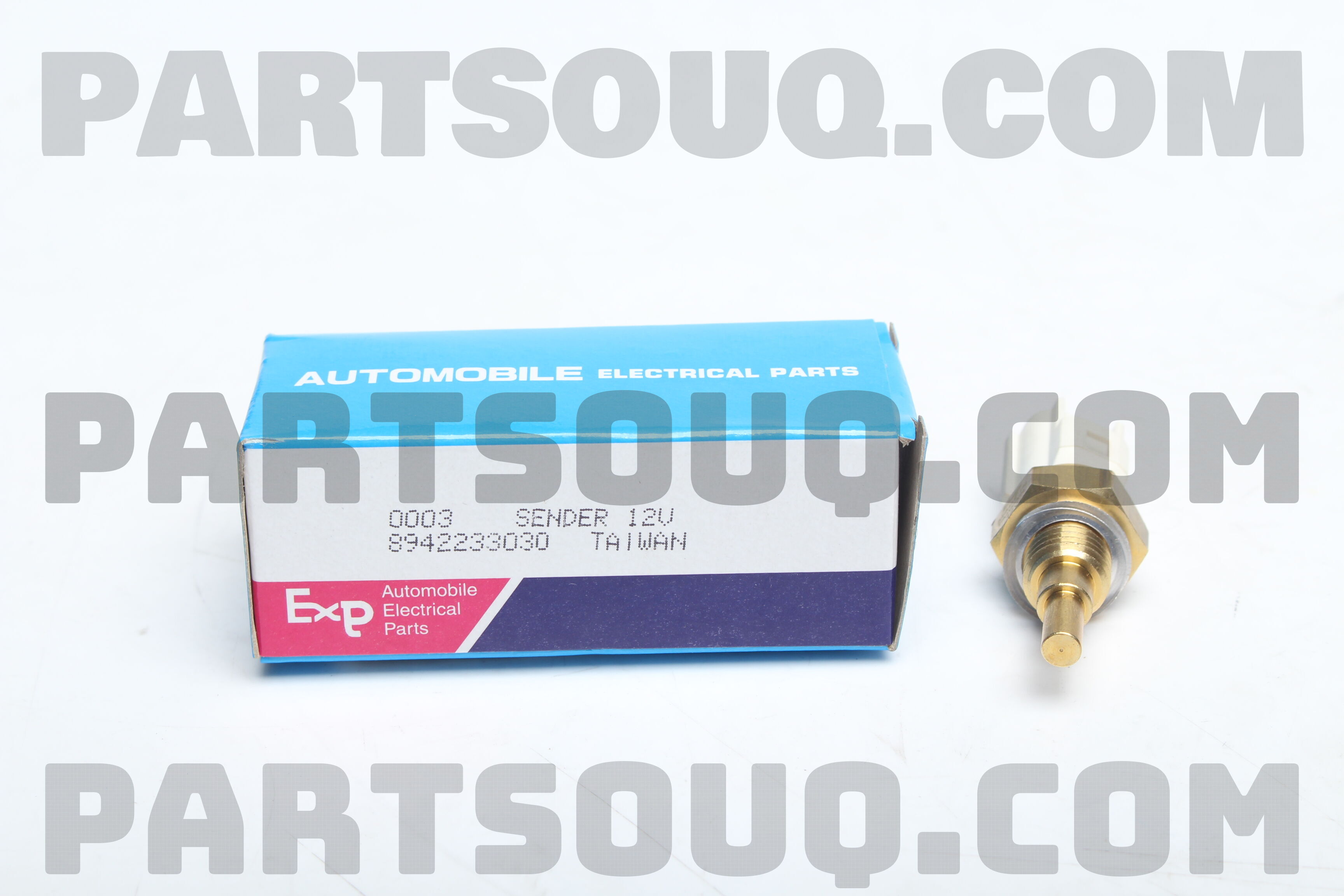
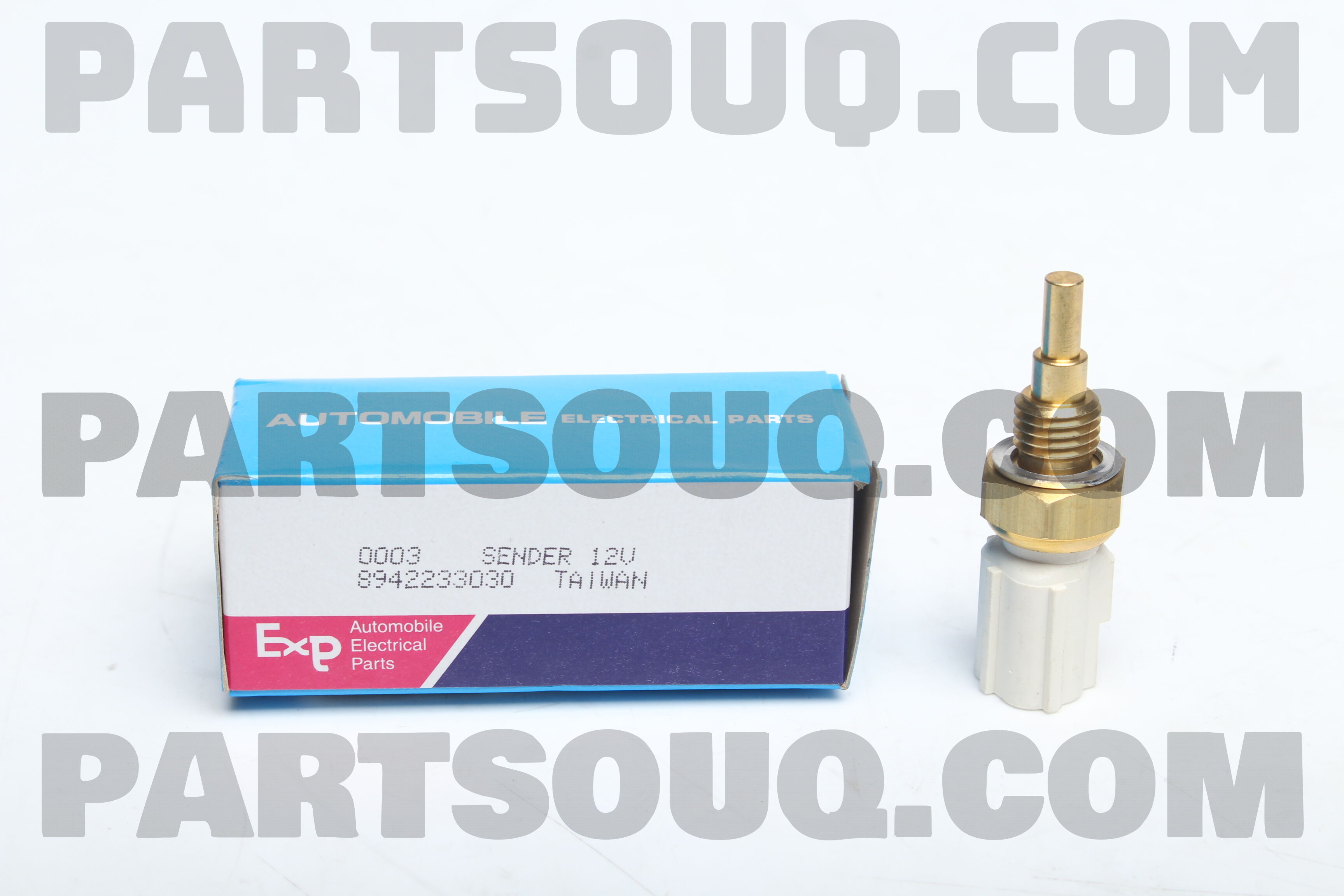
8942233030 Toyota SENSOR, DIESEL ENGINE WATER TEMPERATURE, Price: 31.20$, Weight: 0.025kg

| Make | Number | Name | Availability | Weight, kg | Ship in, Days | Price |
|---|---|---|---|---|---|---|
Toyota |
8942233030 |
SENSOR, DIESEL ENGINE WATER TEMPERATURE |
5 |
0.025 |
7-10 |
31.20$ |
Originals


Substitutions
| Make | Number | Name | Availability | Weight, kg | Processing, days | Price | |
|---|---|---|---|---|---|---|---|
| SANKEI |
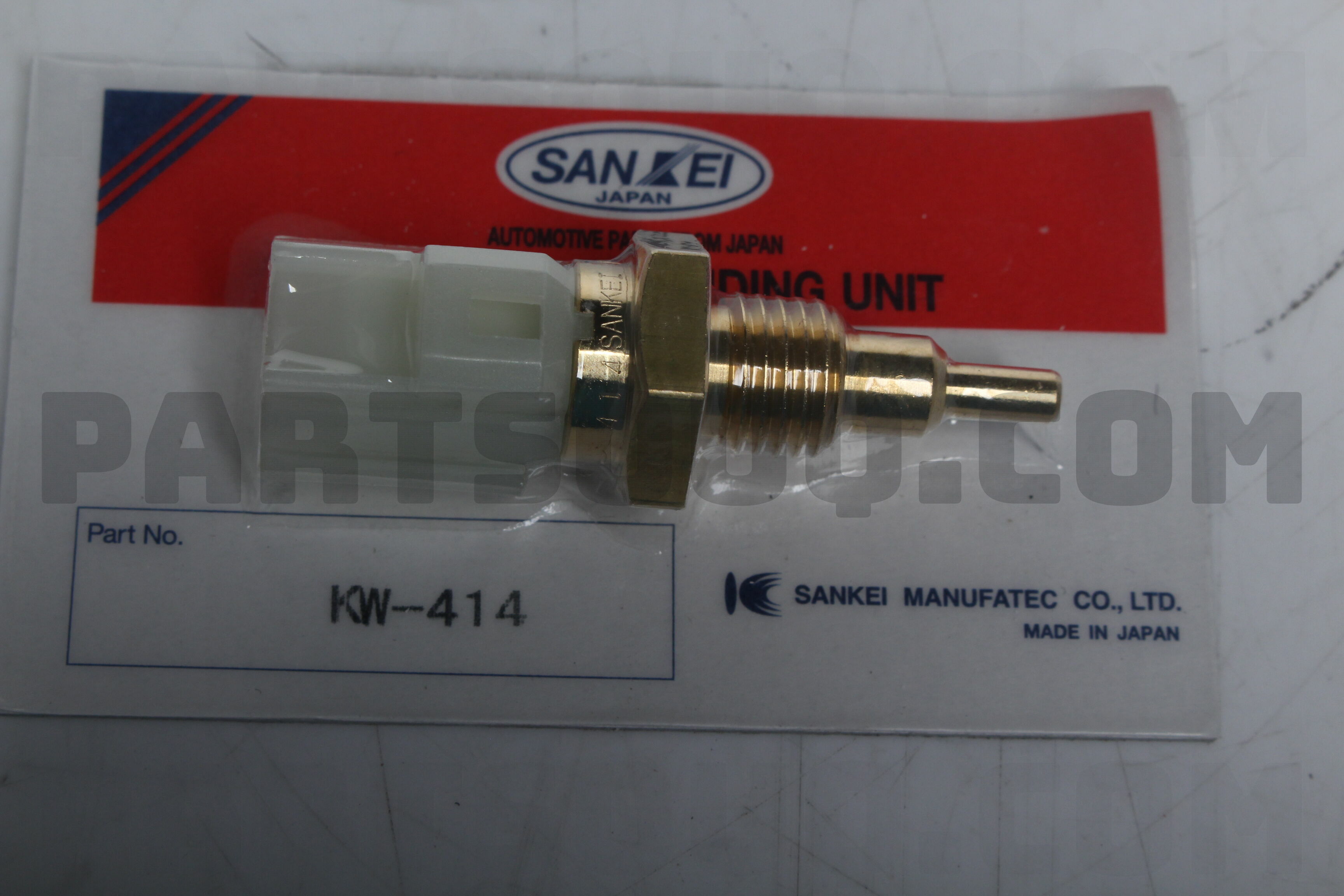
TEMP SWITCH
|
39 |
0.03
|
4-5
|
8.59$
|


Diesel Engine Coolant Temperature Sensor for Toyota ??️
This precision sender tells the ECU the exact coolant temperature so your Toyota diesel starts clean, runs smooth, and cools correctly. It controls cold‑start enrichment, glow plug duration, injection timing, idle speed, radiator fan logic, EGR, and even DPF strategy. A healthy sensor means better fuel economy, stable idle, and long engine life.
How it works ?
Inside is an NTC thermistor sealed in a brass body. As coolant warms, electrical resistance drops. The ECU reads this voltage change through a reference circuit and calculates real coolant temperature. The unit mounts in the head or thermostat housing with an O‑ring or washer, and connects via a weather‑proof plug. Fast response and accurate curve give precise control across cold and hot conditions.
Why you need it ✅
Without correct temperature data, the engine can’t meter fuel or control the fan properly. This part ensures easy cold starts, proper warm‑up, clean emissions, and protection against overheating during heavy loads or towing.
If it fails ⚠️
Expect hard cold starts ❄️, rough idle, black smoke, poor MPG ⛽, sluggish throttle, radiator fan stuck on/off ?, false gauge readings, DPF issues, and a Check Engine light. Prolonged driving can cause overheating or cylinder wear.
Tech tips ?️
Diagnose with a scanner: cold reading should match ambient. Inspect connector for corrosion, check wiring, and bleed air after replacement. Install on a cool engine and use the correct seal—no excessive sealant.