8934128451A2 Toyota SENSOR, ULTRASONIC, NO.3, Price: 114.35$, Weight: 0.039kg


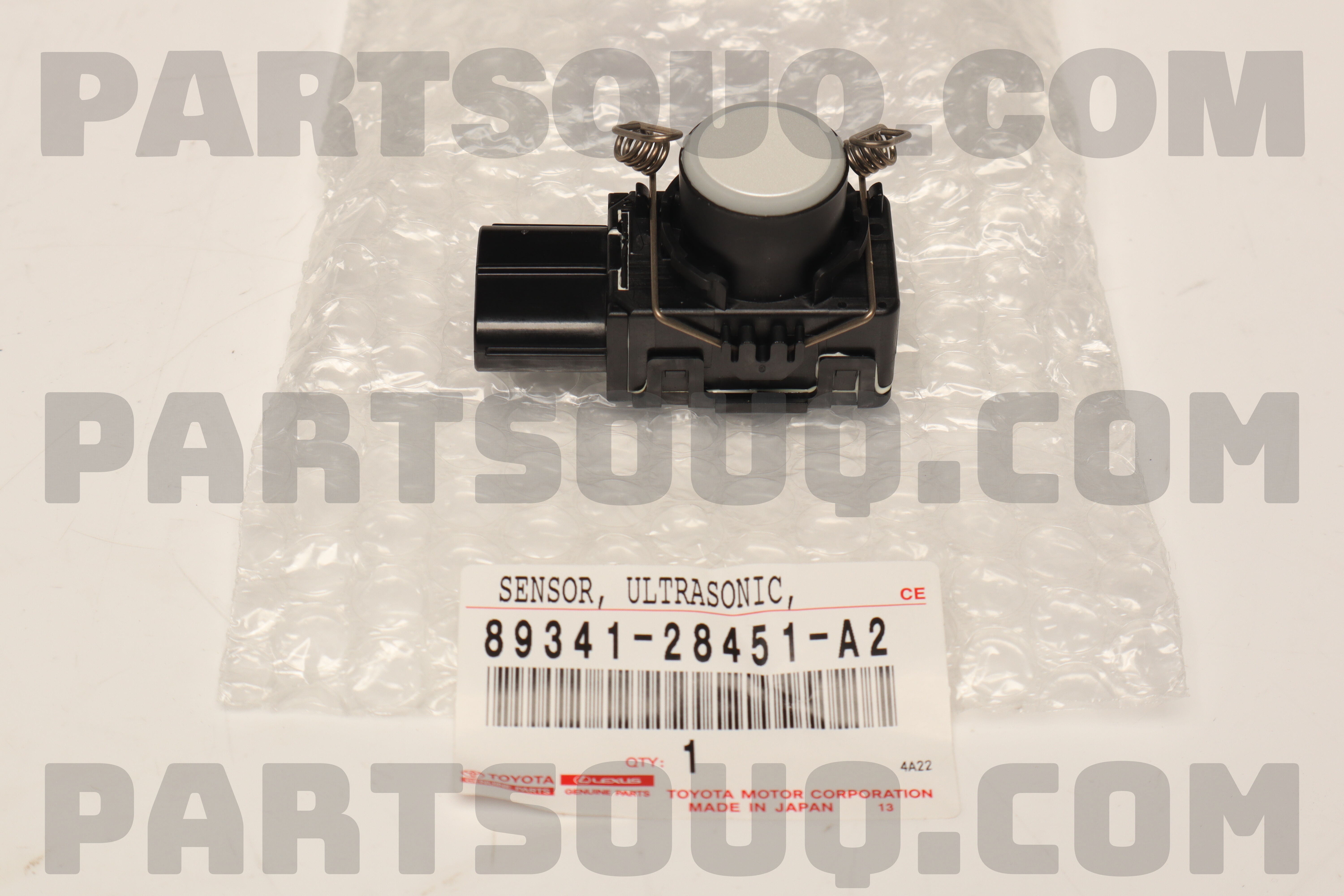
| Make | Number | Name | Availability | Weight, kg | Ship in, Days | Price |
|---|---|---|---|---|---|---|
Toyota |
8934128451A2 |
SENSOR, ULTRASONIC, NO.3 |
0 |
0.039 |
7-10 |
114.35$ |
| Not Available | ||||||
Originals
Substitutions
| Make | Number | Name | Availability | Weight, kg | Processing, days | Price | |
|---|---|---|---|---|---|---|---|
| Toyota |
8934128450A2
|
SENSOR, ULTRASONIC, NO.3
|
0 |
0.046
|
-
|
144.38$
|
Not Available |
Compatibility
| Description | Model | Options | Prod Period | Diagram |
|---|---|---|---|---|
| URJ20#,VDJ201 | URJ201L-GNTGKV | ATM,MTM: AUTOMATIC TRANSMISSION; Driver's Position: LEFT-HAND DRIVE VEHICLES; Gear Shift Type: ATM, 6-SPEED FLOOR SHIFT; Engine: (3URFE) 5700CC 32-VALVE DOHC EFI; Destination: GULF CORPORATION COUNCIL | 11.2007 - 09.2015 | View |
| Description | Model | Options | Prod Period | Diagram |
|---|---|---|---|---|
| URJ201,VDJ201 | URJ201L-GNTGKW | ATM,MTM: AUTOMATIC TRANSMISSION; Seating Capacity: 8-SEATER; Gear Shift Type: ATM, 6-SPEED FLOOR SHIFT; Engine: (3URFE) 5700CC 32-VALVE DOHC EFI | 11.2007 - 09.2015 | View |
| Description | Model | Options | Prod Period | Diagram |
|---|---|---|---|---|
| URJ201 | URJ201L-GNTGKA | ATM,MTM: AUTOMATIC TRANSMISSION; Gear Shift Type: ATM, 6-SPEED FLOOR SHIFT; Engine: (3URFE) 5700CC 32-VALVE DOHC EFI | 11.2007 - 09.2015 | View |
Why You Need This Ultrasonic Sensor
The third ultrasonic sensor in your vehicle's system plays an essential role in ensuring safe driving conditions. It is designed to detect obstacles and measure the distance, allowing for smoother parking and easier maneuvering in tight spaces. This part belongs to the advanced parking aid system, crucial for maintaining the vehicle's safety features.
Understanding How It Works
The sensor operates by emitting ultrasonic waves and measures the time it takes for the echoes to return from objects. These measurements are then converted into electrical signals, providing precise data to the car's control system. This helps in detecting objects that are otherwise not visible to the driver, ensuring a stress-free parking experience.
Consequences of a Faulty Sensor
A broken sensor can contribute to a series of unfavorable outcomes. If the sensor fails, it may not detect obstacles accurately, leading to potential mishaps during parking or reversing. This not only endangers the vehicle but also compromises pedestrian safety. Additionally, it can lead to an uncomfortable driving experience with persistent false alarms or no alerts at all.
Conclusion
Timely replacement of defective sensors is vital to maintain the vehicle's functional efficiency. Regular diagnostics ensure these sensors operate optimally, enhancing reliability and safety. Choosing high-quality replacements ensures longevity and peace of mind while on the road.