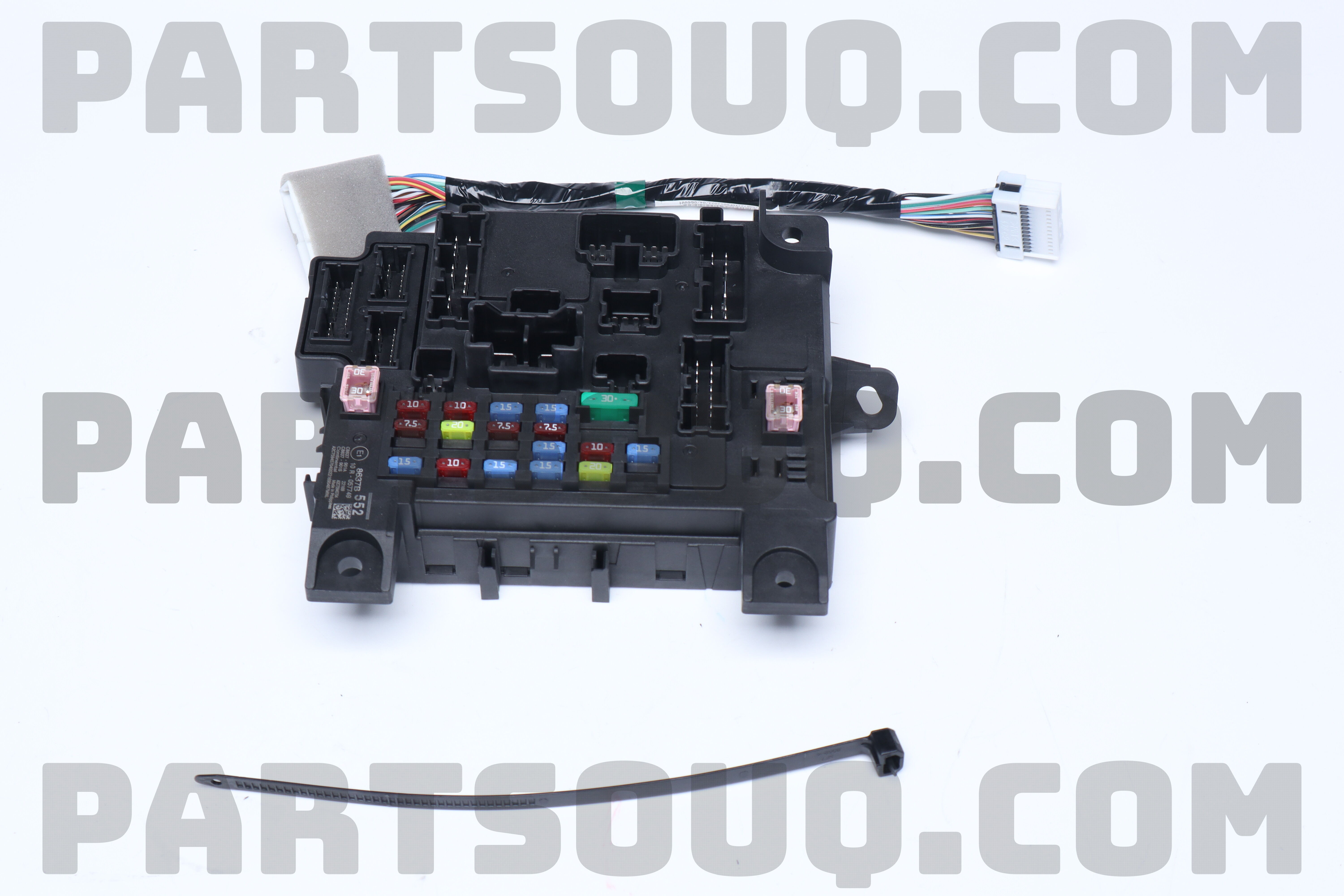
8637C496 Mitsubishi CONTROL UNIT,TIME & ALARM, Price: 649.78$, Weight: 0.344kg


| Make | Number | Name | Availability | Weight, kg | Ship in, Days | Price |
|---|---|---|---|---|---|---|
Mitsubishi |
8637C496 |
CONTROL UNIT,TIME & ALARM |
0 |
0.344 |
2-3 |
649.78$ |
| Not Available | ||||||
Originals
| Make | Number | Name | Availability | Weight, kg | Processing, days | Price | |
|---|---|---|---|---|---|---|---|
| FUSO |
CONTROL UNIT,TIME &
|
0 |
0.396
|
-
|
521.71$
|
Not Available | |
| Mitsubishi |
CONTROL UNIT,TIME & ALARM
|
0 |
0.396
|
-
|
649.78$
|
Not Available |
Understanding the Vital Electronic Commander
The control unit, identified with the code 8637C496, assumes a pivotal role in the seamless operation of your Mitsubishi's advanced alert systems. As an essential module, it maintains the perfect sync between time management and security features. Without its precise orchestration, the harmony between the vehicle's operations can falter, leading to inconsistent performance or security vulnerabilities.
Why This Component is Essential
Every vehicle, including your beloved Mitsubishi, relies on a meticulously integrated network where time and alarm systems converge. This component serves as the nerve center, ensuring that your vehicle's alerts are both timely and accurate. From organizing your vehicle's clock functions to coordinating alert signals, its role cannot be overstated.
The Inner Workings: How It Operates
At its core, this unit processes signals from various sensors and inputs within the vehicle. It interprets these signals to manage time-based functions and triggers alarm responses when necessary. Featuring a sophisticated array of microprocessors, it ensures each task is executed with precision, allowing your vehicle to respond aptly to potential security threats and maintain schedules.
Consequences of a Malfunction
Should this crucial component fail, you might encounter erratic behavior in your vehicle's alarm system ⚠️, such as random activations or failure to alert when necessary. Moreover, time-dependent features could misalign, affecting everything from your scheduled maintenance reminders to internal clock discrepancies. Addressing such failures promptly not only secures the functionality of auxiliary systems but also ensures peace of mind.