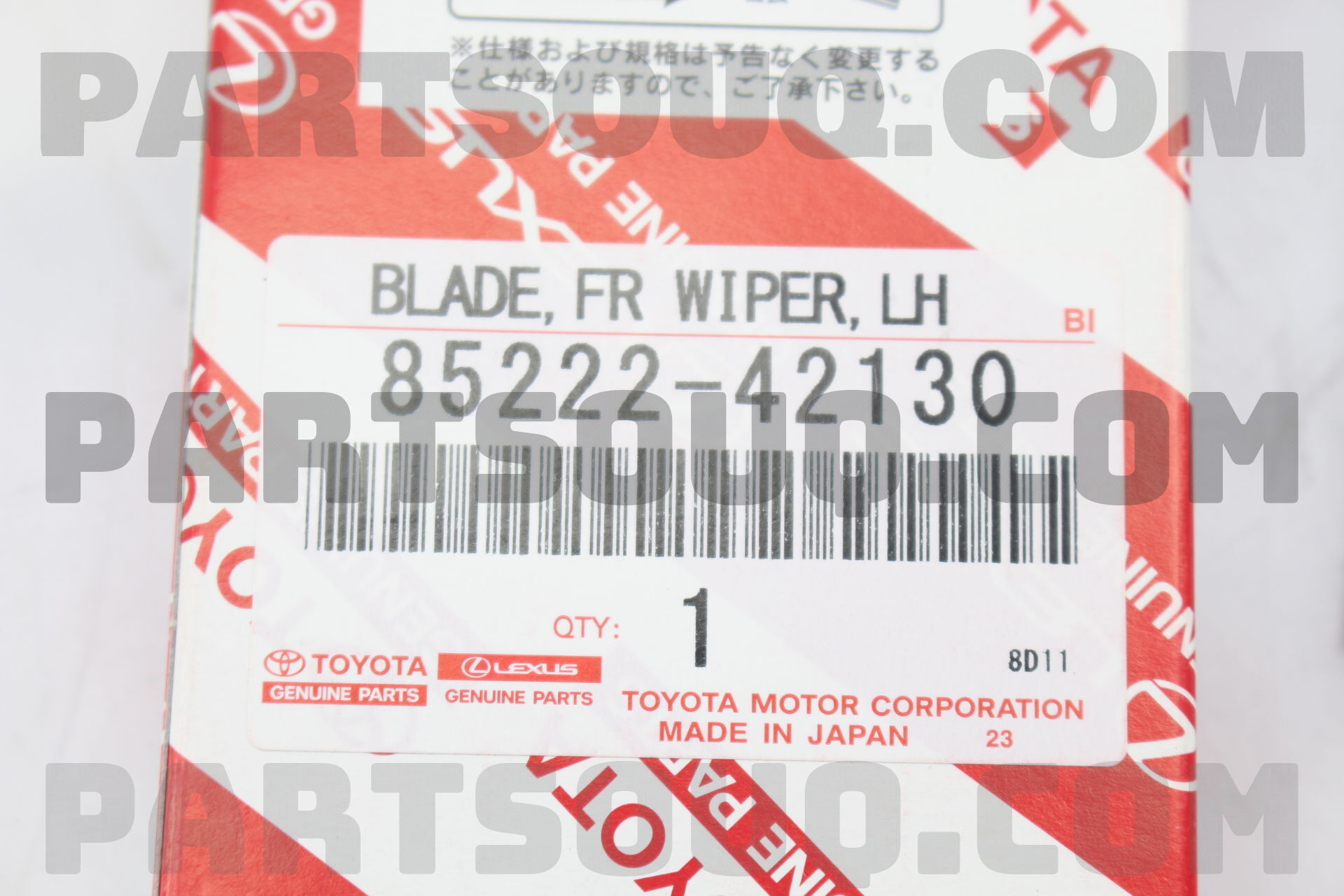
8522242130 Toyota BLADE, FR WIPER, LH, Price: 20.50$, Weight: 0.15kg

| Make | Number | Name | Availability | Weight, kg | Ship in, Days | Price |
|---|---|---|---|---|---|---|
Toyota |
8522242130 |
BLADE, FR WIPER, LH |
0 |
0.15 |
7-10 |
20.50$ |
| Not Available | ||||||
Originals
| Make | Number | Name | Availability | Weight, kg | Processing, days | Price | |
|---|---|---|---|---|---|---|---|
| Toyota |
BLADE, FR WIPER, LH
|
9 |
0.173
|
2-3
|
21.37$
|
Essential Component for Clear Vision: Front Left Windshield Blade
Driving in inclement weather 🌧️ requires an exceptional level of visibility, and this is where the front windshield wiping component plays a crucial role. Specifically designed for certain models of vehicles, this part ensures that your view is unobstructed, providing the clarity needed to navigate safely.
The Importance of This Component
The front left windshield blade is essential to maintaining a clean and clear windshield. By sweeping away water, debris, and dirt, it allows drivers to maintain a clear line of sight, indispensable during rainstorms or when grit and dust settle on the glass. Without this component functioning effectively, driving can become hazardous.
How It Works
Attached to the vehicle's wiper arm, the blade operates in tandem with its counterpart on the right. Its rubberized edge glides smoothly over the glass, using a combination of pressure and motion to remove moisture and debris. This action is facilitated by the movement of the wiper motor, which powers the arm in a rhythmic back-and-forth motion.
Consequences of a Broken Blade
When this component is compromised, several issues can arise. A worn or broken blade may leave streaks or fail to clear the windshield effectively, significantly reducing visibility. 🚗 This can be particularly dangerous during heavy rainfall or snow, potentially leading to accidents due to impaired vision.
Signs of Replacement Necessity
Indicators that your windshield component needs replacing include streaking, squeaking noises, and a visible deterioration of the rubber edge. Addressing these issues promptly ensures continued safety and operational efficiency of the vehicle’s visibility systems.