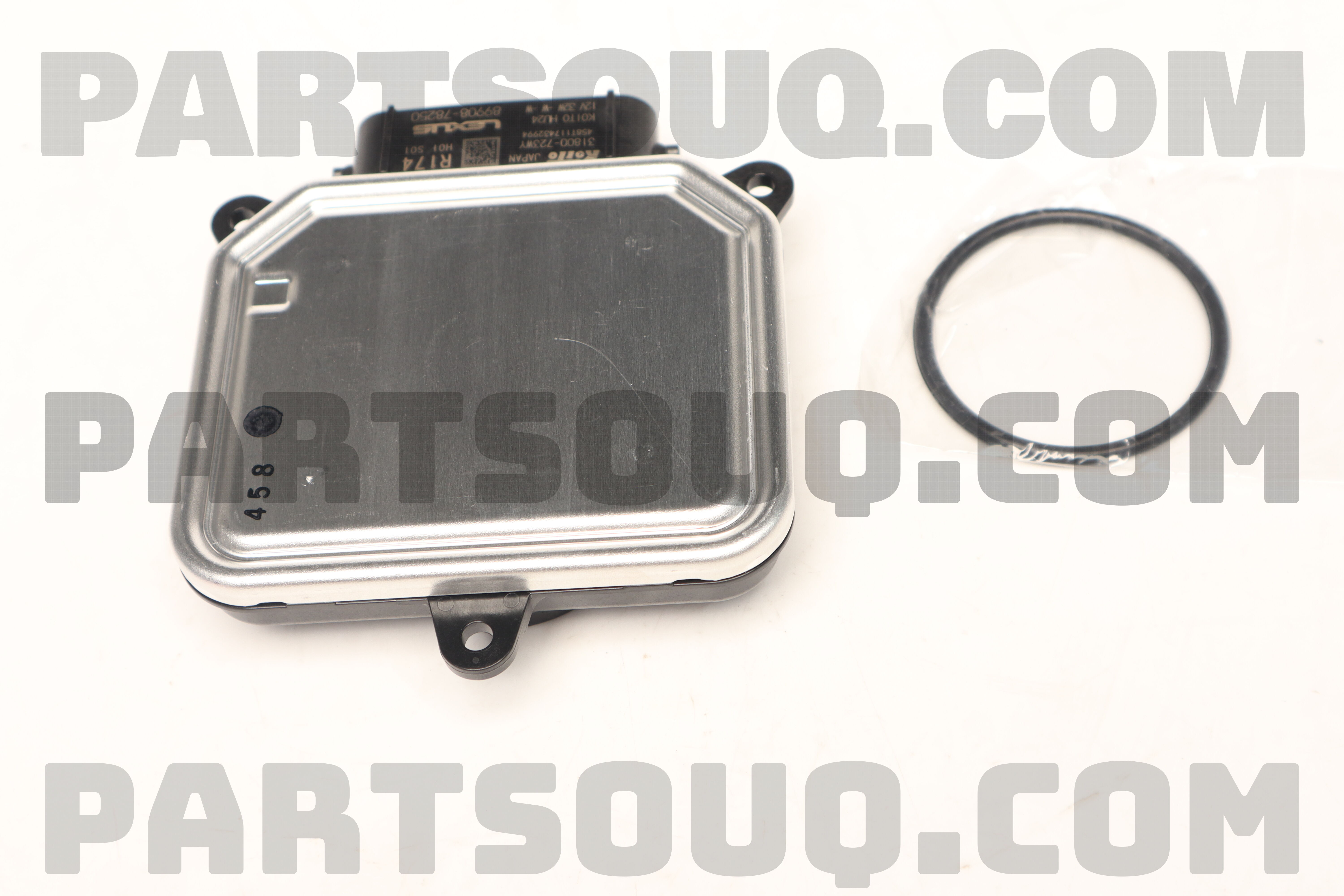
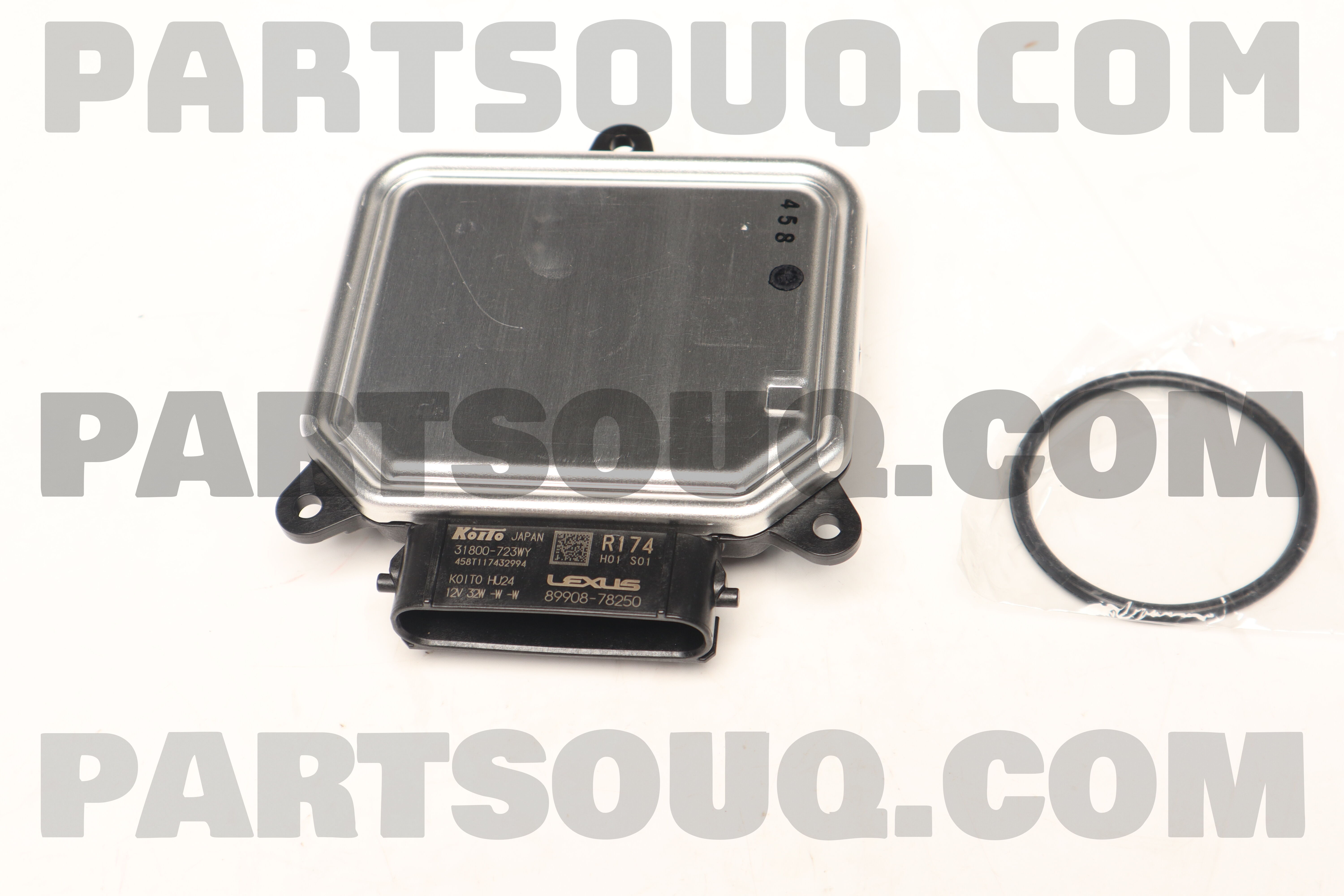
8101678312 Toyota COMPUTER SUB-ASSY, Price: 500.84$, Weight: 0.307kg


| Make | Number | Name | Availability | Weight, kg | Ship in, Days | Price |
|---|---|---|---|---|---|---|
Toyota |
8101678312 |
COMPUTER SUB-ASSY |
2 |
0.307 |
2-3 |
500.84$ |
Originals
| Make | Number | Name | Availability | Weight, kg | Processing, days | Price | |
|---|---|---|---|---|---|---|---|
| Toyota |
COMPUTER SUB-ASSY
|
2 |
0.353
|
|
601.01$
|
Compatibility
| Description | Model | Options | Prod Period | Diagram |
|---|---|---|---|---|
| AAZA2#,AAZH2#,MAZA20,TAZA25 | AAZA25R-AWZLB | ATM,MTM: AUTOMATIC TRANSMISSION; Driver's Position: RIGHT-HAND DRIVE VEHICLES; Fuel Induction: HIGH EFFICIENCY TWIN CAM; Gear Shift Type: ATM, 8-SPEED FLOOR SHIFT; Engine: (A25AFKS) 2500CC 16-VALVE DOHC; Destination: GENERAL COUNTRIES | 11.2021 - ... | View |
OEM Front Lighting Control Module for Toyota ?
This smart controller manages headlamps, DRL, indicators, and auto‑leveling/AFS on select Toyota vehicles. It keeps night driving safe, beam aim correct, and lamp behavior consistent in all conditions. Built to factory spec, it resists heat and moisture and fits the original bracket and plugs.
Why you need it ?
Without a healthy module, your lighting system cannot coordinate sensors, switches, and power drivers. It ensures clear road view, proper cutoff, and compliance with road rules—critical for safety and inspection.
How it works ?
A microprocessor reads CAN signals (speed, steering angle, height sensors) and switch inputs. It then controls relays/ballasts via PWM and low‑side drivers, sets beam height, and steers AFS motors when equipped. Solid-state design reduces lag and power loss.
What happens if it’s broken ⚠️
Signs include no low/high beam, flicker, DRL inoperative, AFS/leveling warning lamp, random shut‑off, or battery drain. You may find B‑codes/U‑codes in diagnostics. The system may default to fixed beam or switch off to protect wiring.
Fitment and setup ✅
Direct plug‑and‑play on matching Toyota trims. Some cars need initialization or zero‑point calibration with a scan tool after installation.
Technician tips
Disconnect battery, handle ESD‑safe, inspect grounds, dry connectors, torque fasteners, clear codes, then run a light test and leveling calibration.