481980K030 Toyota CAM CAMBER ADJUST, Price: 12.80$, Weight: 0.056kg

| Make | Number | Name | Availability | Weight, kg | Ship in, Days | Price |
|---|---|---|---|---|---|---|
Toyota |
481980K030 |
CAM CAMBER ADJUST |
792 |
0.056 |
|
12.80$ |
Originals
| Make | Number | Name | Availability | Weight, kg | Processing, days | Price | |
|---|---|---|---|---|---|---|---|
| Toyota |
CAM CAMBER ADJUST
|
1028 |
0.064
|
2-3
|
10.67$
|


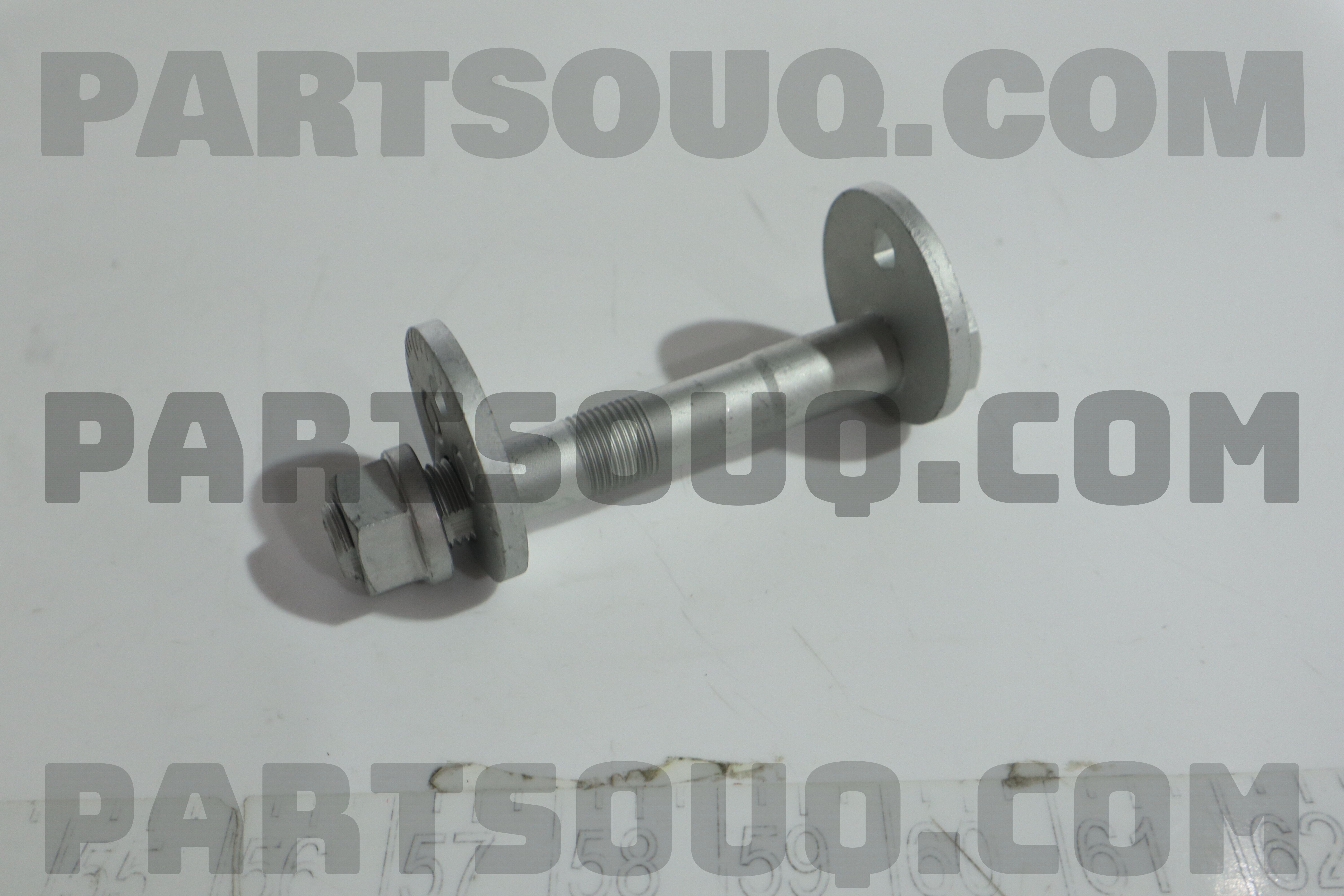

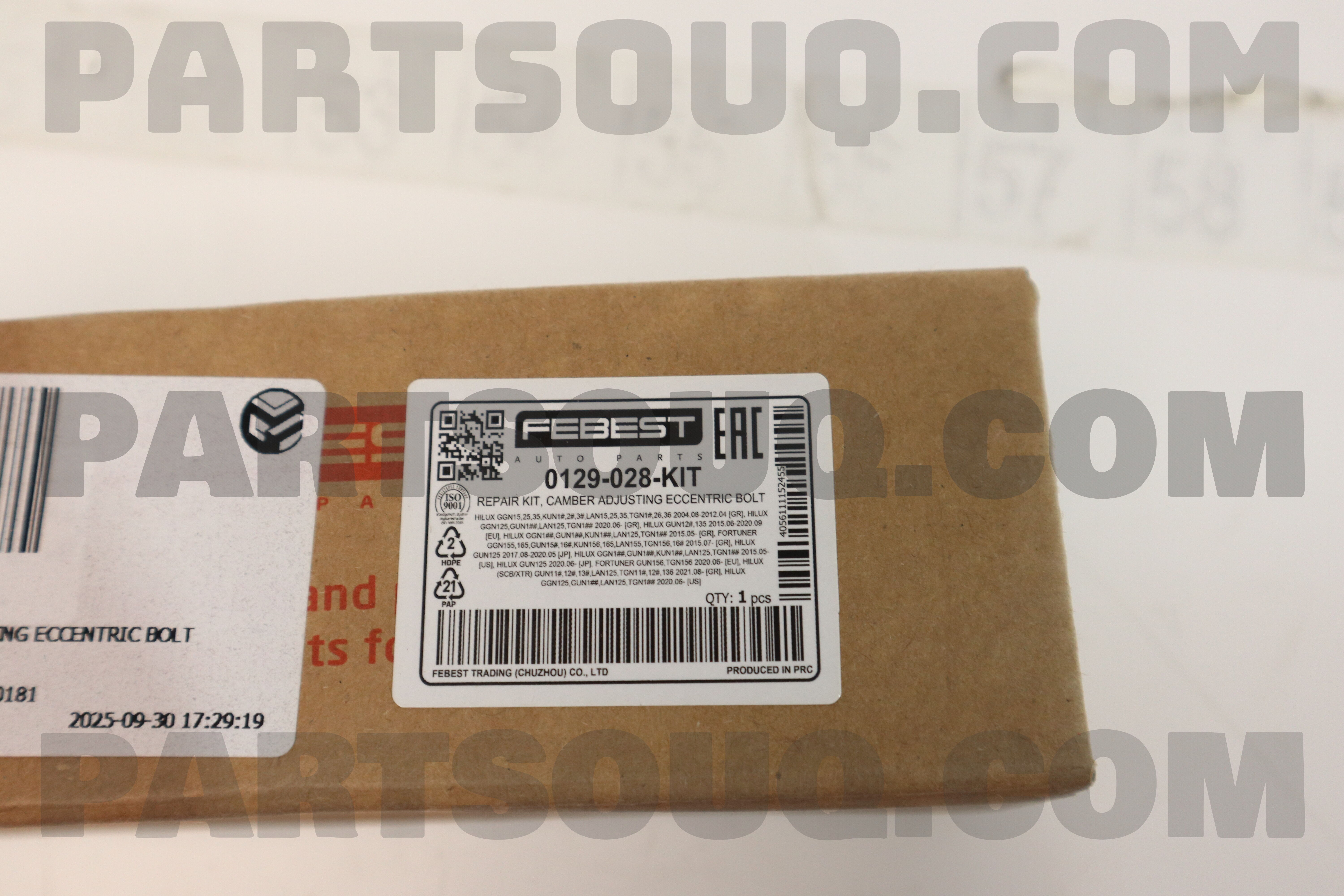


Enhanced Wheel Alignment Adjustment
Ensuring optimal wheel alignment is crucial for the performance and safety of your vehicle. The camber adjustment component for Toyota serves a vital role in maintaining the precise alignment of your wheels. This part is engineered to provide adjustable angles for the wheels, ensuring they are perfectly aligned with the road. Proper alignment not only enhances the driving experience but also prolongs the lifespan of your tires by ensuring even wear.
Mechanism of Functionality
Camber adjustment works by allowing small tweaks to the vertical alignment of the wheels. The mechanism includes a series of bolts and slots that can be adjusted to change the angle at which the tire makes contact with the road. By providing this flexibility, this component helps maintain stability and ensures that your vehicle handles optimally, especially during turns. It also prevents unnecessary strain on the suspension system, thus avoiding premature wear and tear.
Consequences of Malfunction
Failure of this adjustment part can lead to significant issues. If the camber is off, it can result in uneven tire wear, which might cause vibrations and reduced traction. Over time, this misalignment can lead to increased fuel consumption and compromise vehicle safety. Furthermore, it may also affect the vehicle's steering response, making it more difficult to maintain control, especially during sharp turns or emergency maneuvers.
Why Replacement is Essential
Replacing a faulty camber adjustment component is imperative to restore the proper geometry of your vehicle's suspension. It ensures the angles are correct and the tires are consistently in contact with the road, promoting safety and efficiency. Regular inspection and timely replacement can prevent unnecessary expenses and enhance the overall driving experience.