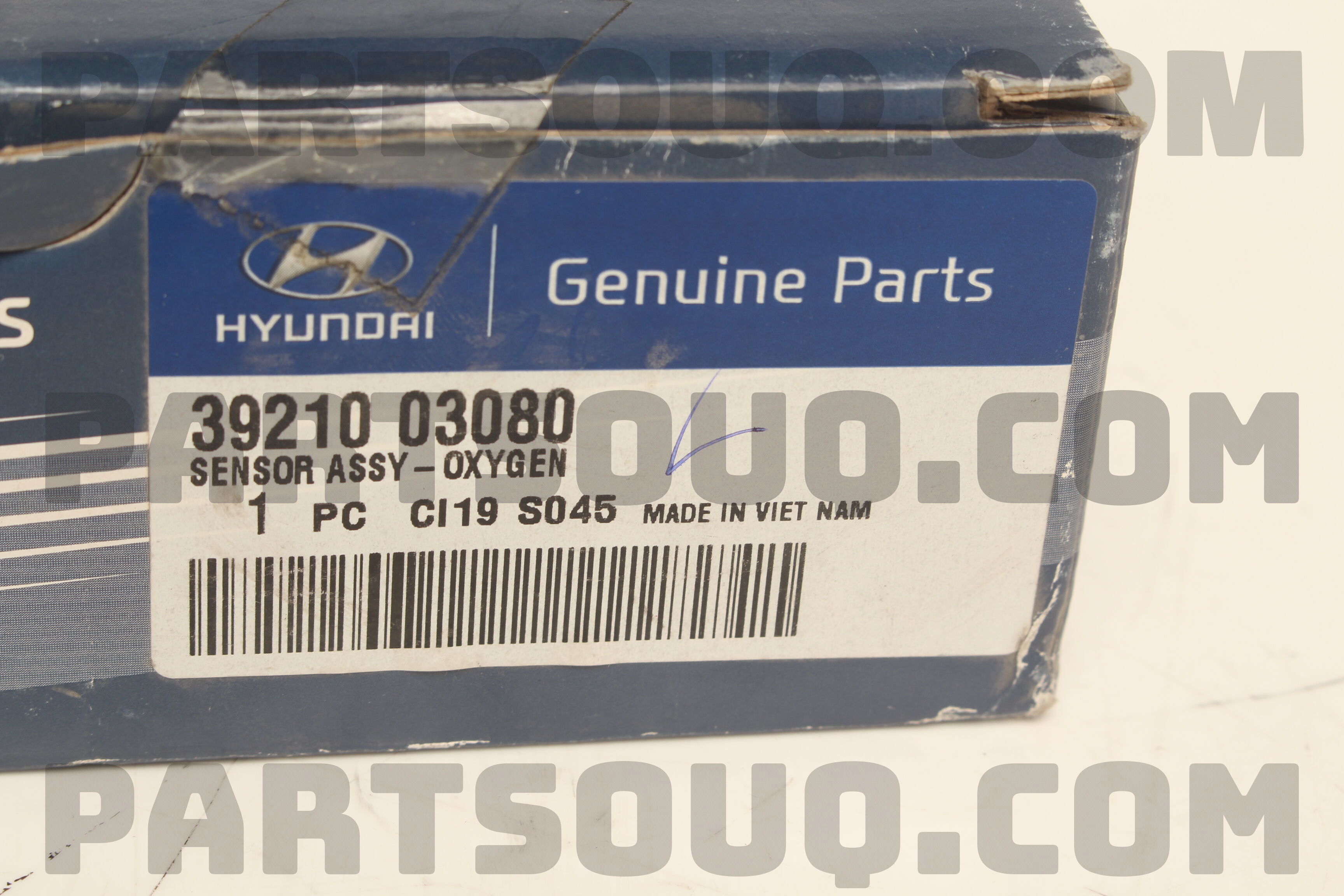
? Oxygen Sensor Functionality and Importance
The oxygen sensor, or lambda sensor, is a critical component in your vehicle's emission control system. It ensures the optimal air-fuel mixture by monitoring the oxygen levels in the exhaust fumes. This sensor plays a vital role in reducing harmful emissions and enhancing engine efficiency. By providing feedback to the engine control unit (ECU), it helps maintain the right balance for improved fuel economy and performance.
? Working Mechanism
Situated in the exhaust stream, the oxygen sensor detects the difference between the oxygen levels in the exhaust and the ambient air. This creates a voltage signal, which the ECU interprets to adjust the air-fuel mixture. A properly functioning sensor ensures that the combustion process is efficient and emissions are minimized, thereby aligning with modern environmental standards.
? Consequences of a Faulty Sensor
If the oxygen sensor fails, it can lead to several issues. A malfunctioning sensor could cause poor fuel mileage, increased emissions, engine rough idle, or even trigger the check engine light. These problems arise because the ECU receives inaccurate information, leading to an improper air-fuel mixture.
? Compatible Models
This specific sensor assembly is compatible with the following Hyundai and KIA models:
- Grand I10 14 (India Plant-Eur) (2014-)
- Grand I10 17 (India Plant-Eur) (2017-2019)
- Grand I10 14 (India Plant-Gen) (2013-2017)
- Grand I10 17 (India Plant-Gen) (2016-2022)
- Grand I10 17 (2017-)
- Grand I10 14 (India Plant-India) (2013-2019)
- Grand I10 17 (2016-2022)
- I20 15 (India Plant-India) (2014-2018)
- Grand I10 17 (India Plant-Mes) (2017-2021)
- I10 14 (Turkey Plant-Eur) (2013-2016)
- I10 17 (Turkey Plant-Eur) (2016-2019)
- I10 14 (Turkey Plant-Turkey) (2013-2016)
- I10 17 (Turkey Plant-Turkey) (2016-2019)