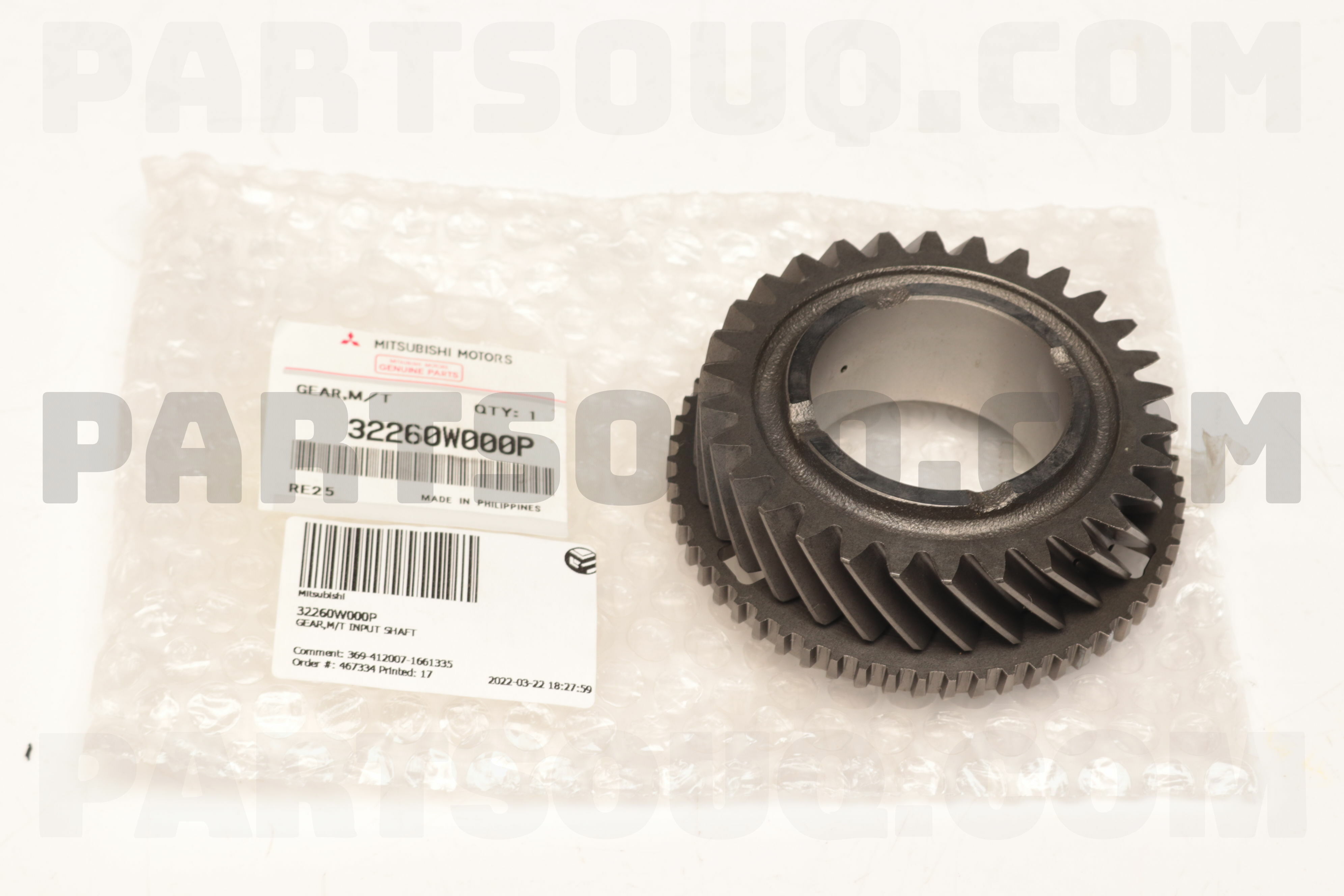
Understanding the Essential Input Gear
When delving into the intricate world of manual transmissions, one pivotal component that stands out is the input gear. This crucial cog is indispensable for the efficient transfer of power from the engine to the gearbox. Without it, the seamless power flow that keeps your vehicle moving would be disrupted.
Why the Input Gear is Essential ⚙️
The core responsibility of this part is to receive torque from the engine’s flywheel and initiate the power transmission process. As the engine spins, the input gear interacts with other gears within the transmission, ensuring that your vehicle can smoothly transition through various speeds. This is vital for maintaining control and ensuring optimal performance of your vehicle.
How it Operates
The input gear meshes with the countershaft in the transmission, which then distributes power to various gear ratios as you shift. This process allows for changes in speed and torque, effectively adapting to different driving conditions. Each shift you make is a testament to the precision engineering of this component, enabling both acceleration and deceleration with ease.
Consequences of a Faulty Gear
Should this gear become worn or damaged, drivers may experience a host of issues such as difficulty in shifting, unusual noises, or even complete transmission failure. These symptoms not only compromise vehicle performance but could also pose significant safety risks. Timely inspection and maintenance are vital to avoid disruptions and costly repairs.
Overall, while often overlooked by everyday drivers, this gear is a cornerstone piece in the manual transmission setup. Regular upkeep ensures longevity and peak performance of your vehicle, keeping your drives safe and efficient.