272813365R Renault EVAP ASSY-FR, Price: 703.65$, Weight: 1.275kg
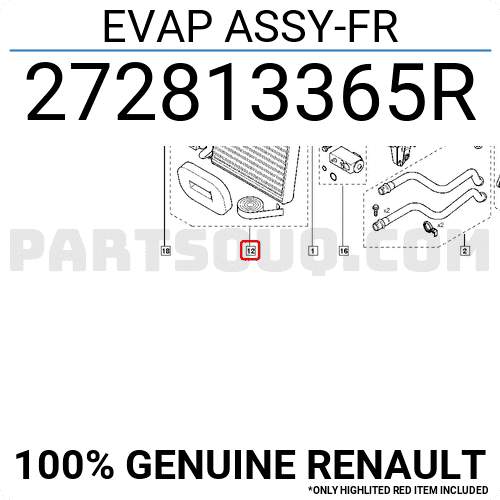
| Make | Number | Name | Availability | Weight, kg | Ship in, Days | Price |
|---|---|---|---|---|---|---|
Renault |
272813365R |
EVAP ASSY-FR |
1 |
1.275 |
2-3 |
703.65$ |
Originals
| Make | Number | Name | Availability | Weight, kg | Processing, days | Price | |
|---|---|---|---|---|---|---|---|
| Nissan |
272813365R
|
EVAP ASSY-FR
|
0 |
1.466
|
-
|
648.16$
|
Not Available |
Compatibility
| Pr | Diagram |
|---|---|
| 1462 | View |
Essential Emission Control Component
The EVAP assembly plays a pivotal role in maintaining your vehicle's environmental integrity. In the world of automotive emissions, the EVAP system is a guardian against fuel vapors escaping into the atmosphere. This particular assembly ensures that fuel vapors are captured and sent to the engine to be burned rather than released, contributing to both emissions control and fuel efficiency.
Purpose and Functionality ⚙️
This crucial component serves to regulate and manage the fuel vapor generated within the fuel tank. As your vehicle operates, it processes these vapors, channeling them safely into the combustion system. The assembly itself consists of a series of valves, hoses, and a charcoal canister that work in harmony to store and purify these vapors before they are redirected towards the engine for combustion, minimizing pollution.
Consequences of a Malfunction
If this component fails, you'll likely notice an illuminated check engine light on your dashboard. This is your vehicle's way of alerting you to potential issues. A faulty EVAP assembly can lead to unregulated fuel vapor emissions, adversely affecting environmental standards and potentially causing your car to fail emissions tests. It could also impact your fuel efficiency, as unburned vapors represent wasted fuel. Addressing this issue promptly prevents further damage and keeps your vehicle compliant with emissions standards.
Conclusion: Why Timely Replacement is Crucial ️
Replacing a defective EVAP assembly is a straightforward yet vital process that ensures your vehicle runs clean and efficient. Ignoring issues associated with this part can lead to more significant problems down the line, affecting not just performance but also the environment. Regular inspections can detect early signs of wear, allowing for timely intervention and sustained vehicle health.