237312Y52E Nissan VTC SENSOR, Price: 76.78$, Weight: 0.641kg


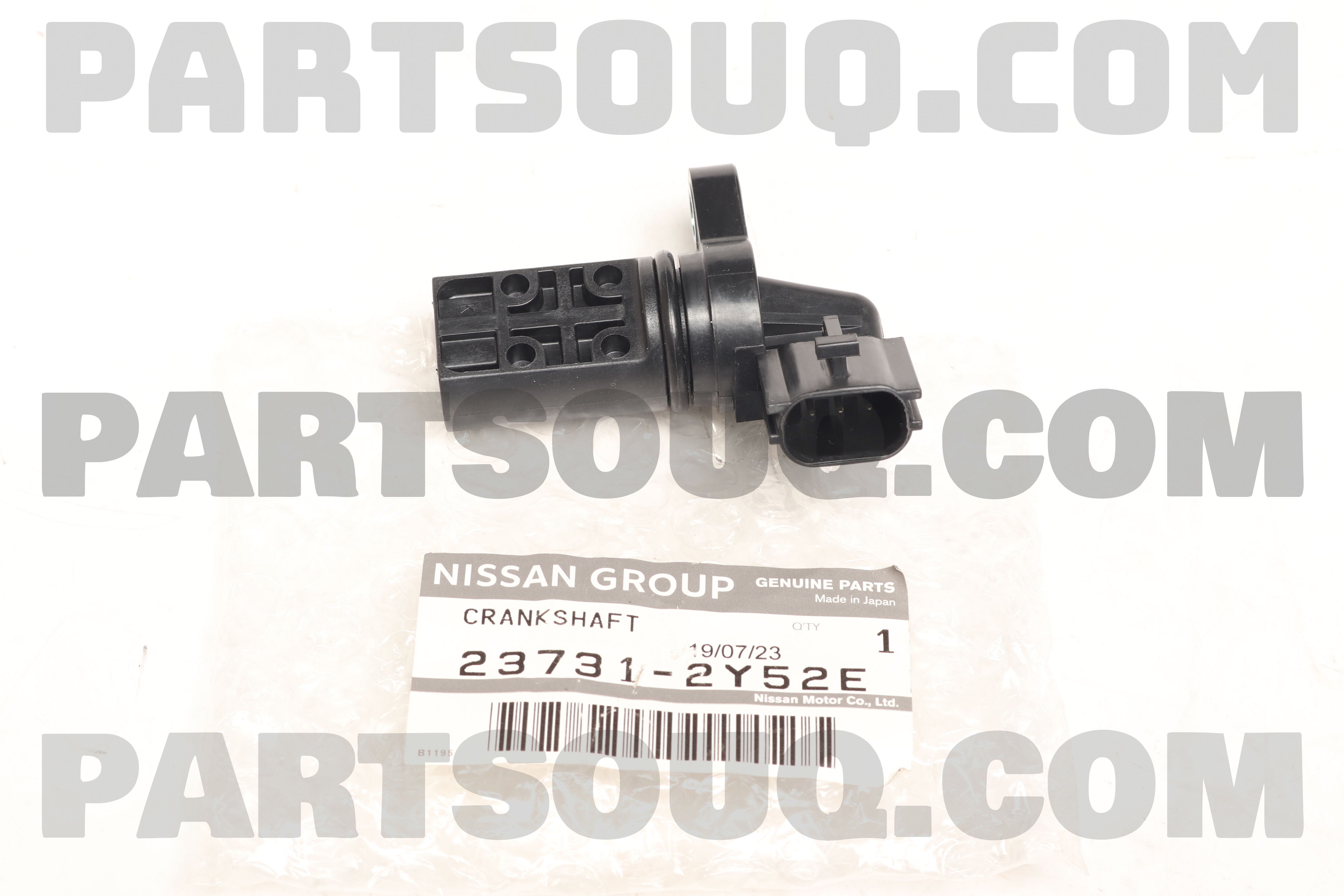

| Make | Number | Name | Availability | Weight, kg | Ship in, Days | Price |
|---|---|---|---|---|---|---|
Nissan |
237312Y52E |
VTC SENSOR |
51 |
0.641 |
2-3 |
76.78$ |
Originals
| Make | Number | Name | Availability | Weight, kg | Processing, days | Price | |
|---|---|---|---|---|---|---|---|
| Nissan |
VTC SENSOR
|
16 |
0.737
|
|
92.14$
|
Substitutions
| Make | Number | Name | Availability | Weight, kg | Processing, days | Price | |
|---|---|---|---|---|---|---|---|
| Nissan |
VTC SENSOR
|
0 |
0.035
|
-
|
62.94$
|
Not Available | |
| Nissan |
237312Y523
|
CAMSHAFT POSITION SENSOR
|
0 |
0.035
|
-
|
53.07$
|
Not Available |
| Nissan |
237312Y524
|
CAMSHAFT POSITION SENSOR
|
0 |
0.035
|
-
|
50.14$
|
Not Available |
| Nissan |
237312Y522
|
CRANKSHAFT POSITION SENSOR
|
0 |
0.035
|
-
|
47.95$
|
Not Available |

Understanding the Vital Role of the Variable Timing Sensor
In the intricate world of modern car engines, the Variable Timing Sensor (VTS) plays an indispensable role. This component is crucial for managing the timing of the camshaft, which directly affects the engine's efficiency and performance.
Why You Need the VTS
The engine's camshaft is responsible for opening and closing the valves at the right time to ensure optimal air-fuel mixture intake and exhaust. The VTS provides real-time data to the engine control unit (ECU) about the camshaft's position, enabling the ECU to adjust the timing and improve the engine's performance. This results in better fuel efficiency, enhanced power output, and reduced emissions.
How the VTS Works ⚙️
Positioned near the camshaft, the sensor detects the camshaft's rotational position. It sends this information as an electrical signal to the ECU, which uses it to calculate and optimize the ignition and injector timing. This dynamic adjustment is essential for maintaining engine harmony and achieving the ideal balance between power and efficiency.
Consequences of a Malfunctioning VTS ⚠️
If the VTS fails, the ECU loses its ability to accurately control the timing of the engine. This can lead to several issues, such as rough idling, poor acceleration, increased fuel consumption, and even engine knocks. Ignoring a faulty sensor might not only degrade vehicle performance but also result in potential damage to engine components over time.
Maintaining a fully functional VTS is crucial for your vehicle's health and longevity. Regular inspections and timely replacement with quality parts ensures your engine runs smoothly, efficiently, and reliably.