2322150080 Toyota PUMP ASSY, FUEL, Price: 508.58$, Weight: 0.625kg
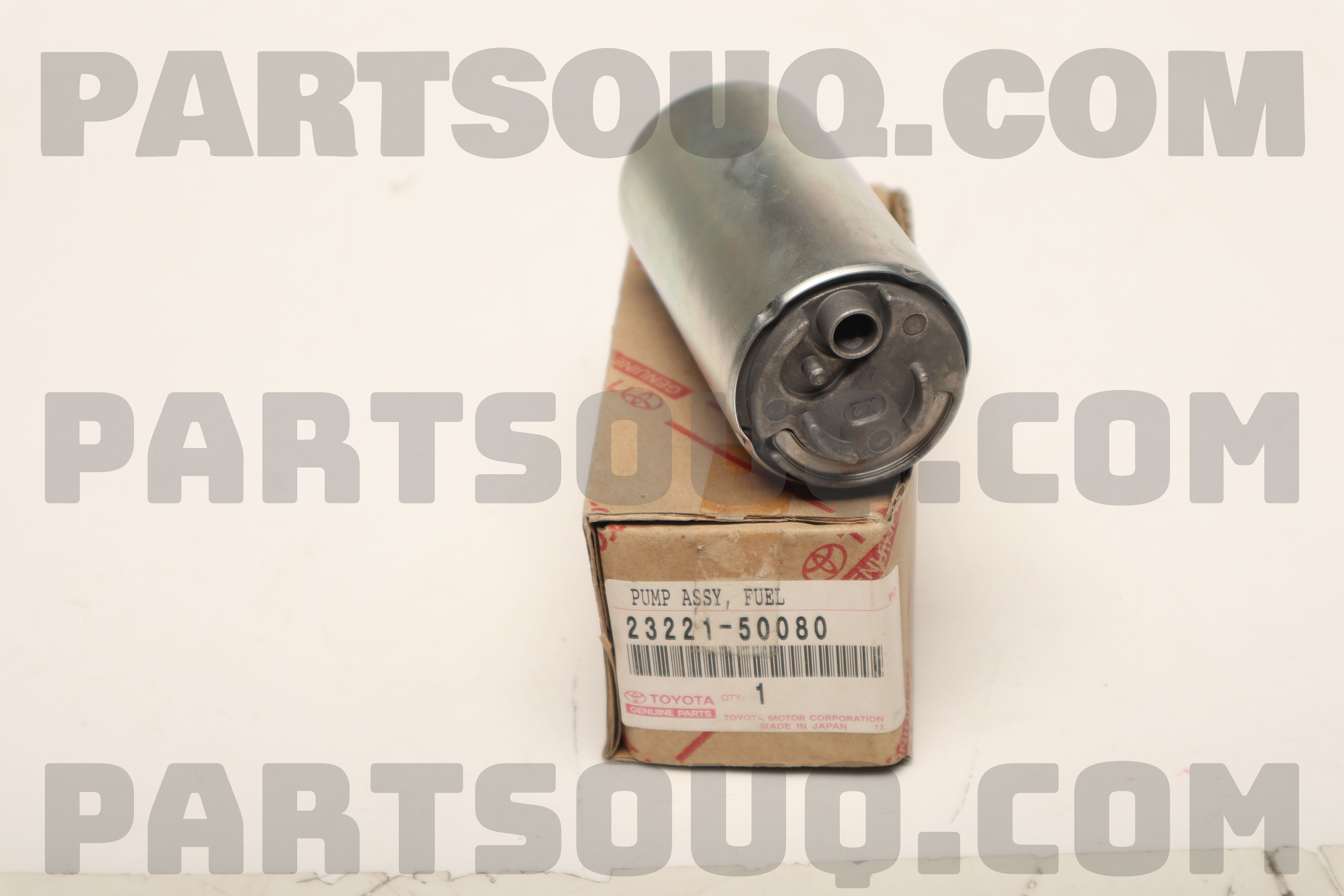


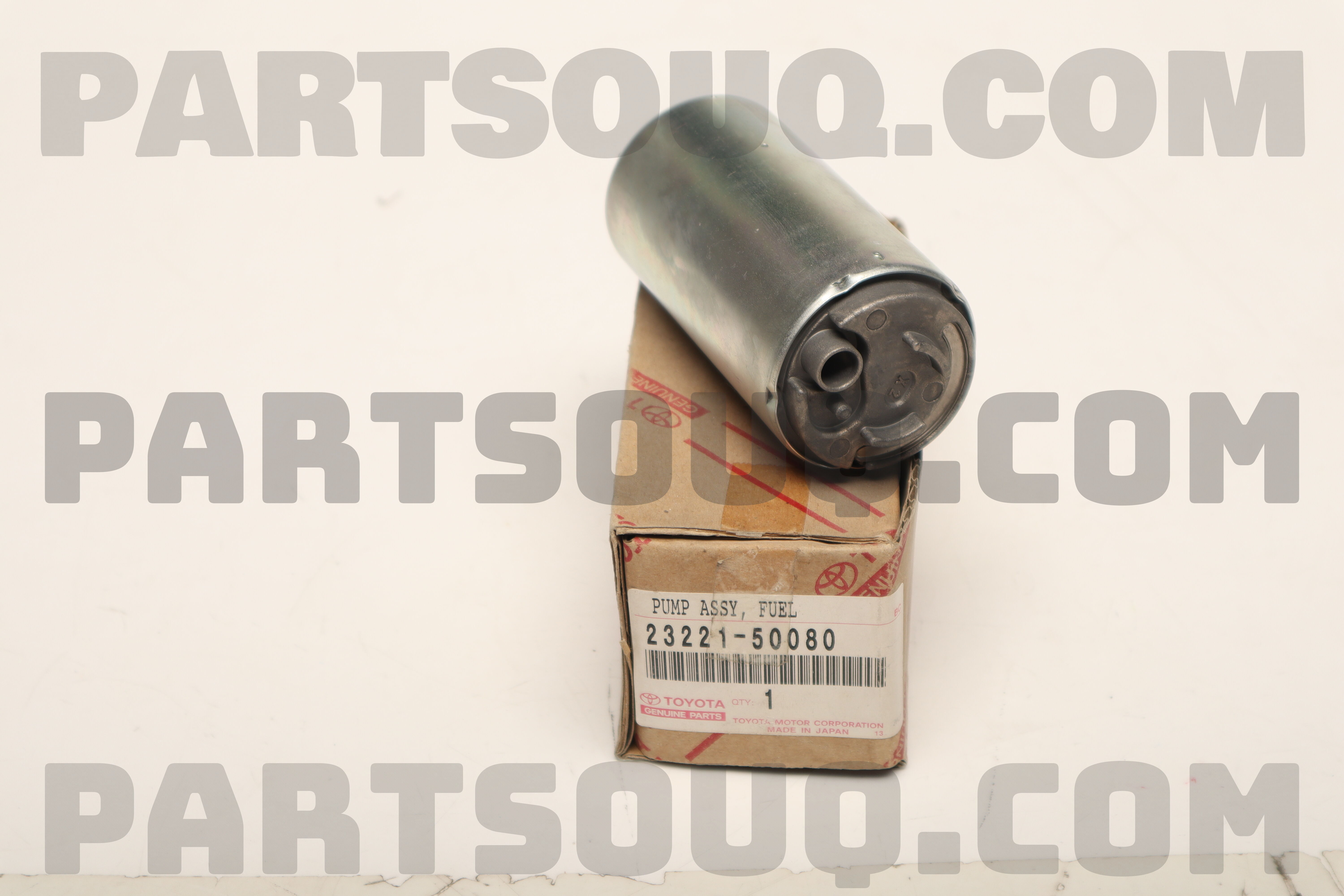
| Make | Number | Name | Availability | Weight, kg | Ship in, Days | Price |
|---|---|---|---|---|---|---|
Toyota |
2322150080 |
PUMP ASSY, FUEL |
0 |
0.625 |
|
508.58$ |
| Not Available | ||||||
Originals
| Make | Number | Name | Availability | Weight, kg | Processing, days | Price | |
|---|---|---|---|---|---|---|---|
| Toyota |
PUMP ASSY, FUEL
|
0 |
0.719
|
-
|
423.82$
|
Not Available |
Compatibility
| Description | Model | Options | Prod Period | Diagram |
|---|---|---|---|---|
| UCF20 | UCF20R-AEPGK | Driver's Position: RIGHT-HAND DRIVE VEHICLES; Gear Shift Type: ATM, 4-SPEED FLOOR SHIFT; Engine: (1UZFE) 4000CC 32-VALVE DOHC EFI; Destination: GENERAL COUNTRIES | 10.1994 - 07.1997 | View |
High-Performance Fuel Pump Module for Toyota Vehicles ⛽
This in-tank fuel pump assembly keeps your Toyota’s engine fed with the right fuel pressure for smooth starts, clean acceleration, and stable idle. Built to OE-spec, it’s designed for modern EFI systems, delivering quiet operation, long service life, and ethanol-blend compatibility. Ideal for restoring lost power, curing hard starts, and preventing lean running.
Why this part is needed ️
Engines need a steady fuel supply to match throttle demand. A fresh pump ensures correct rail pressure, proper injector spray, better fuel economy, and lower emissions. It’s essential after high mileage, tank contamination, or noisy operation.
How it works
An electric motor spins an impeller, drawing fuel through a strainer, pushing it through the internal check valve and regulator to the fuel rail. The built-in level sender reports tank level to the dash. Seals and an O-ring keep the system airtight to prevent vapor leaks.
What happens if it fails ⚠️
Symptoms include long cranking, hesitation, sputter on hills, engine stalling, loud whining from the tank, and misfire under load. Low pressure can trigger warning lights and can overheat the pump. Prolonged driving may damage injectors and catalytic converter.
Install tips
Relieve fuel pressure, disconnect the battery, work in a ventilated area. Clean the tank, replace the strainer and sealing ring, and check connectors. Torque the lock ring evenly. Prime the system (key ON-OFF cycles) and inspect for leaks. Professional calibration of the level sender is recommended.