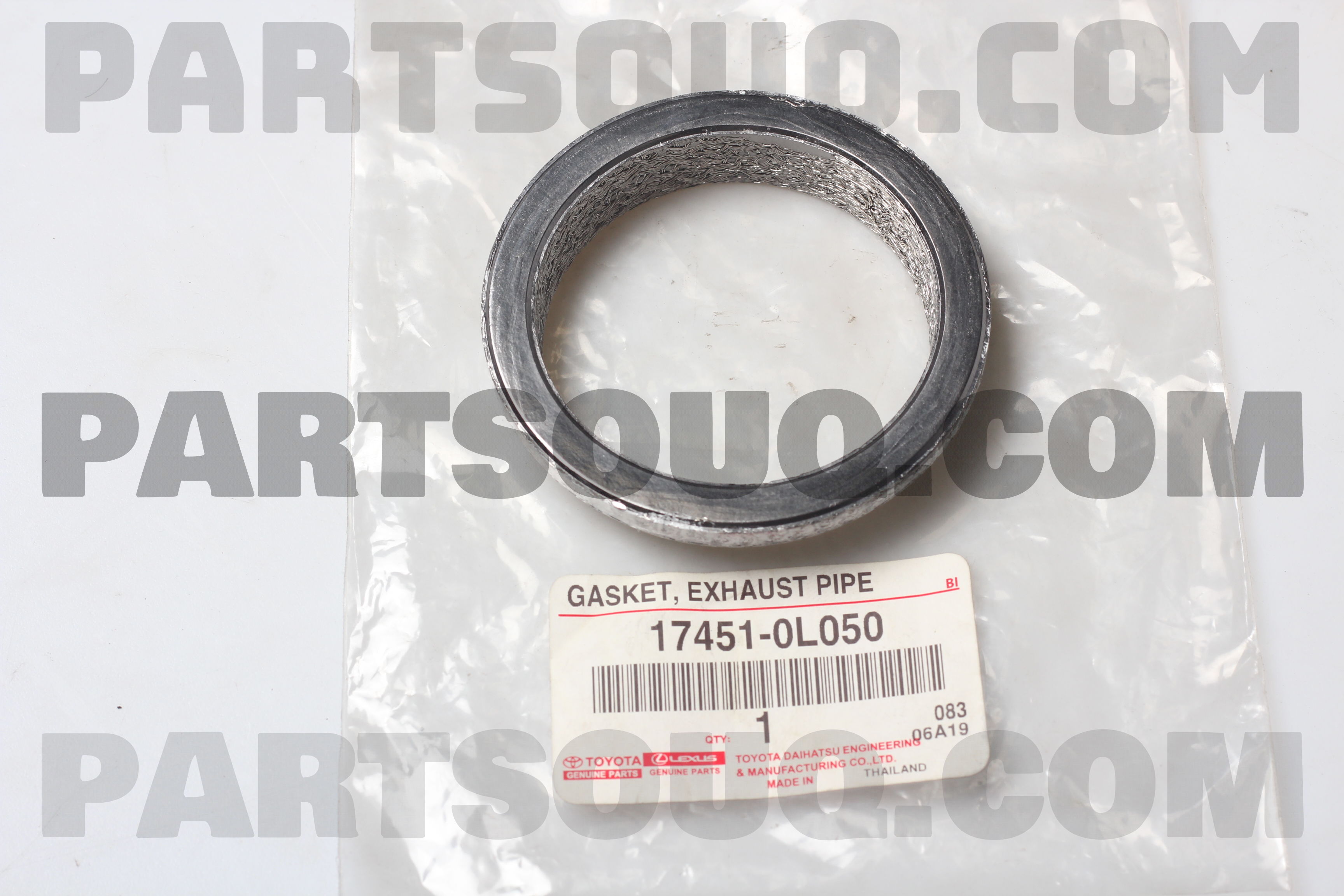
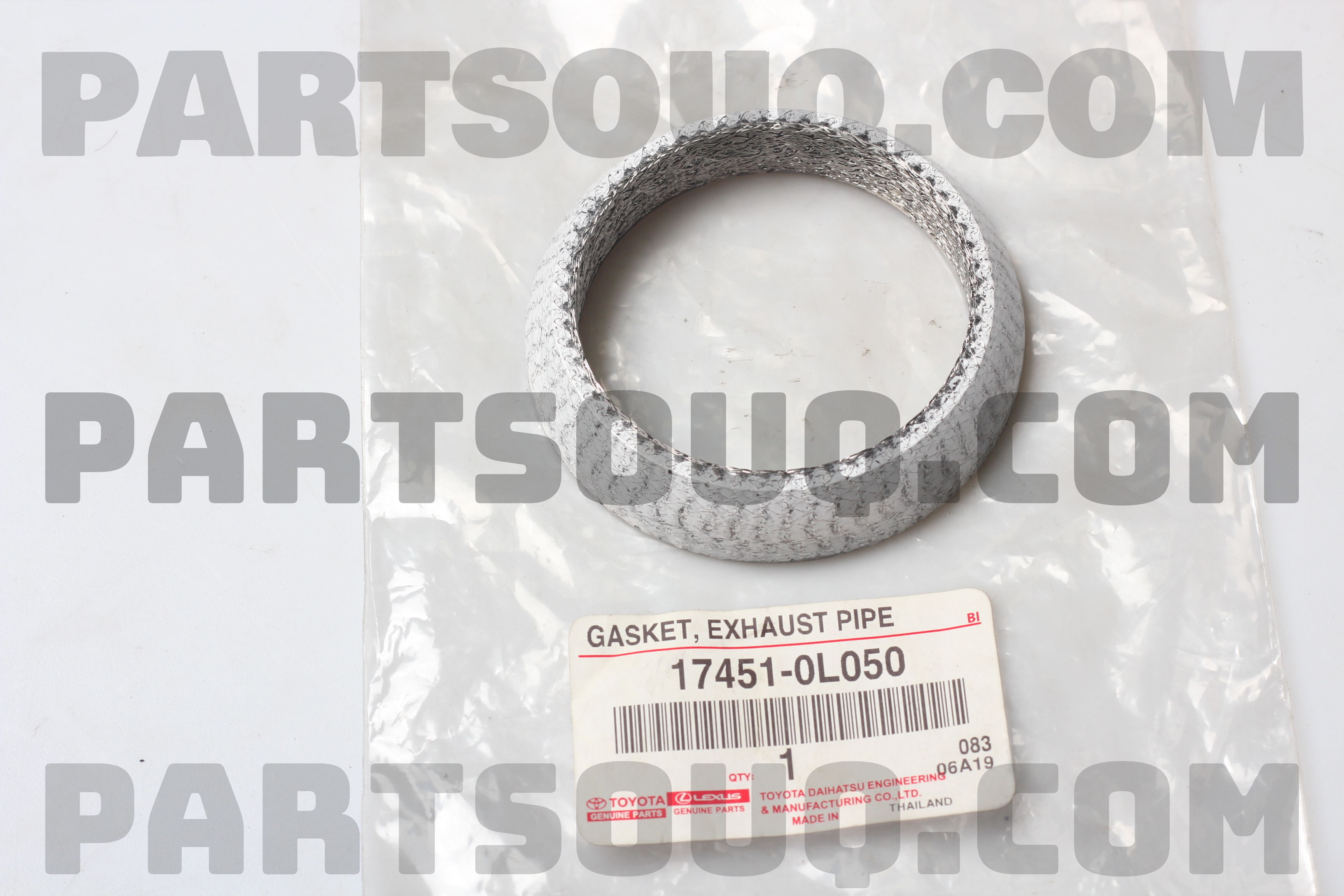
174510L050 Toyota GASKET EXHAUST PIPE, Price: 20.20$, Weight: 0.068kg


| Make | Number | Name | Availability | Weight, kg | Ship in, Days | Price |
|---|---|---|---|---|---|---|
Toyota |
174510L050 |
GASKET EXHAUST PIPE |
0 |
0.068 |
|
20.20$ |
| Not Available | ||||||
Originals
| Make | Number | Name | Availability | Weight, kg | Processing, days | Price | |
|---|---|---|---|---|---|---|---|
| Toyota |
GASKET EXHAUST PIPE
|
0 |
0.078
|
-
|
16.83$
|
Not Available |
Substitutions
| Make | Number | Name | Availability | Weight, kg | Processing, days | Price | |
|---|---|---|---|---|---|---|---|
| FEBEST |
exhaust pipe seal (ceramic coating)
|
3 |
0.081
|
2-3
|
8.50$
|


Exhaust joint sealing ring for Toyota (OE ref 17451‑0L050)
This precision seal sits between the front pipe and the manifold or catalytic converter, locking hot gases inside the system. It keeps noise low, protects the cabin from fumes, and helps the engine maintain correct backpressure for smooth power and clean emissions.
Why it’s needed
Without a tight seal, exhaust leaks disturb O2 sensor readings, raise fuel use, and reduce torque. A proper gasket also shields nearby parts from heat and prevents soot buildup around the joint.
How it works ️
The crush ring is made to deform slightly when clamped by the flanges. Its stainless and graphite layers conform to tiny surface marks, holding pressure even during vibration and thermal expansion. Spring bolts keep a constant load so the seal stays tight through heat cycles.
What happens if it’s damaged ⚠️
- Ticking or hissing on cold start; louder exhaust note
- Exhaust smell near the firewall or underbody
- Soot traces at the joint, loss of low‑end power
- Possible check engine light (trim errors, catalyst codes)
- Heat stress on wiring, boots, and nearby shields
Build and quality ️
OE‑grade, multi‑layer metal with graphite facing for high temperature sealing up to extreme exhaust temps. Donut profile centers easily and resists blow‑by.
Fitment and tips ✅
Ideal for many Toyota models using this joint design. Install on clean, flat flanges; replace spring bolts if weak. Align the pipes, tighten evenly, do not use silicone. After a short drive, recheck torque to ensure a lasting, leak‑free seal.