1657166040 Toyota HOSE, RADIATOR, NO.1, Price: 14.95$, Weight: 0.294kg


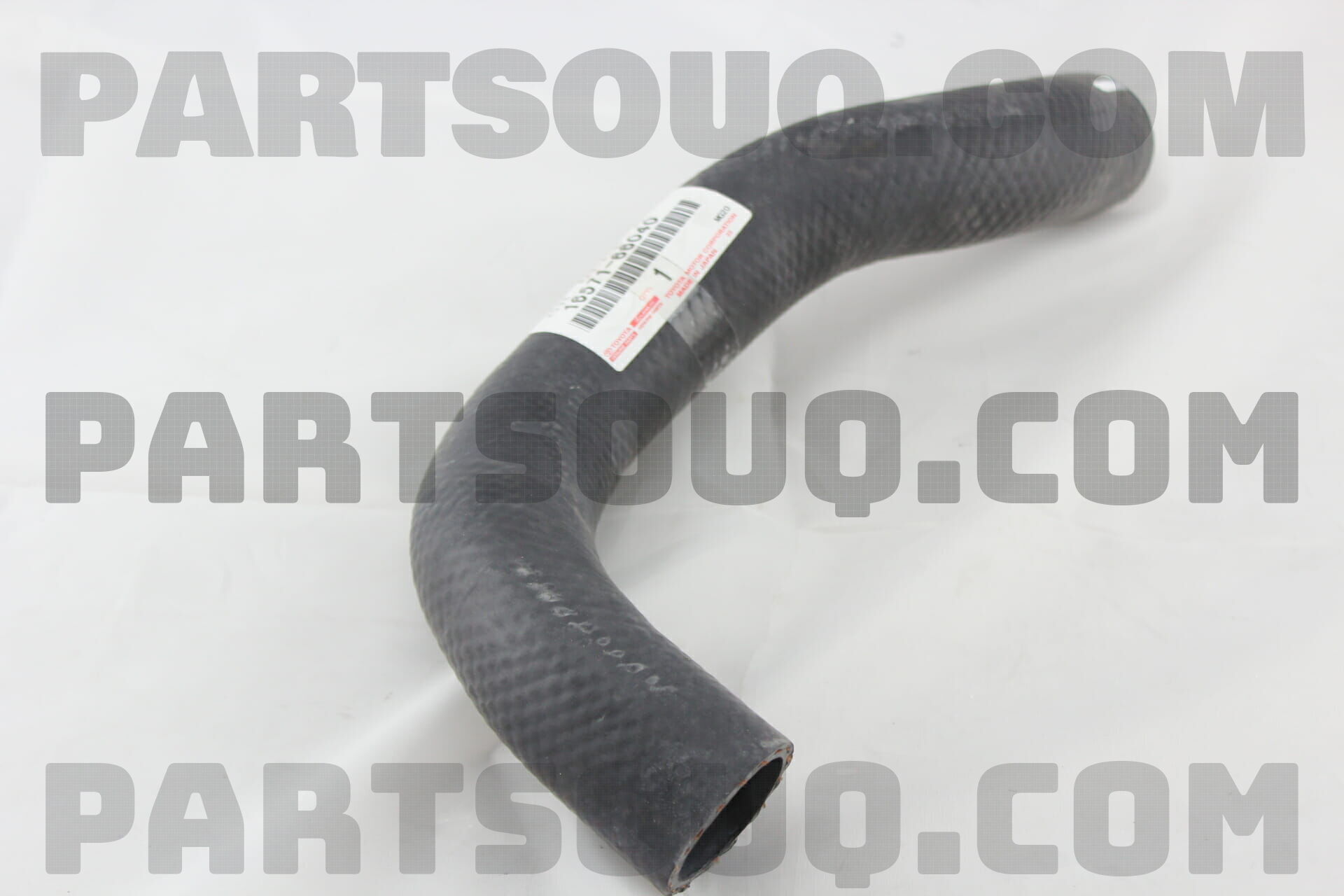
| Make | Number | Name | Availability | Weight, kg | Ship in, Days | Price |
|---|---|---|---|---|---|---|
Toyota |
1657166040 |
HOSE, RADIATOR, NO.1 |
649 |
0.294 |
2-3 |
14.95$ |
Originals
| Make | Number | Name | Availability | Weight, kg | Processing, days | Price | |
|---|---|---|---|---|---|---|---|
| Toyota |
HOSE, RADIATOR, NO.1
|
631 |
0.338
|
|
17.94$
|
Compatibility
| Description | Model | Options | Prod Period | Diagram |
|---|---|---|---|---|
| FZJ10#,HDJ100,HZJ105,UZJ100 | FZJ100L-GNPNKV | ATM,MTM: AUTOMATIC TRANSMISSION; Driver's Position: LEFT-HAND DRIVE VEHICLES; Grade: GX TYPE; Fuel Induction: ELECTRIC FUEL INJECTION SYSTEM; Gear Shift Type: ATM, 4-SPEED FLOOR SHIFT; Engine: (1FZFE) 4500CC EFI; Destination: GULF CORPORATION COUNCIL | 01.1998 - 08.2007 | View |
Understanding the Radiator Hose
The radiator hose is an essential component of your vehicle's cooling system, serving as the conduit for coolant flow between the engine and the radiator. This part is critical in maintaining optimal engine temperature, preventing overheating and potential damage.
Why the Radiator Hose is Needed
In the intricate dance of moving parts within the engine, temperature regulation is vital. The radiator hose plays a pivotal role in transferring the coolant, allowing it to absorb heat from the engine and then cool down in the radiator. Without this hose, the engine would rapidly overheat, leading to severe damage and possible engine failure.
How the Radiator Hose Works
The radiator hose is typically made from durable rubber designed to withstand high temperatures and pressures. It connects the engine to the radiator, facilitating the cyclical flow of coolant. As the engine runs, the coolant absorbs excess heat and circulates back to the radiator, where it dissipates heat before returning to repeat the process.
Consequences of a Broken Radiator Hose
If the radiator hose becomes cracked, leaks, or bursts, it compromises the cooling system. This can result in coolant loss, leading to engine overheating. If not addressed promptly, it could lead to warped components, head gasket failure, or even a seized engine. A vigilant eye on engine temperature and regular inspections of the hose's condition can prevent these costly issues.
Compatible Car Models
- Land Cruiser 100