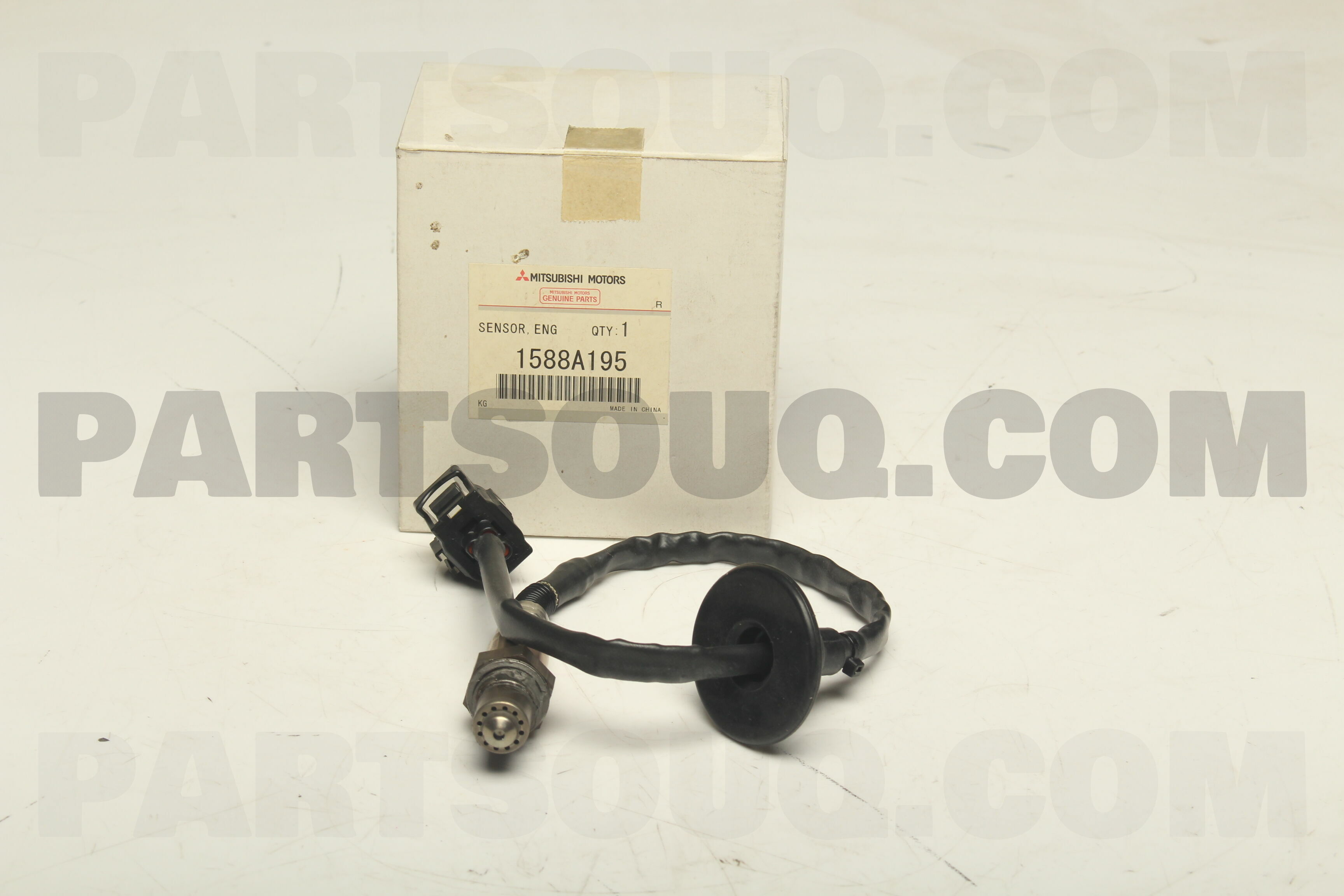
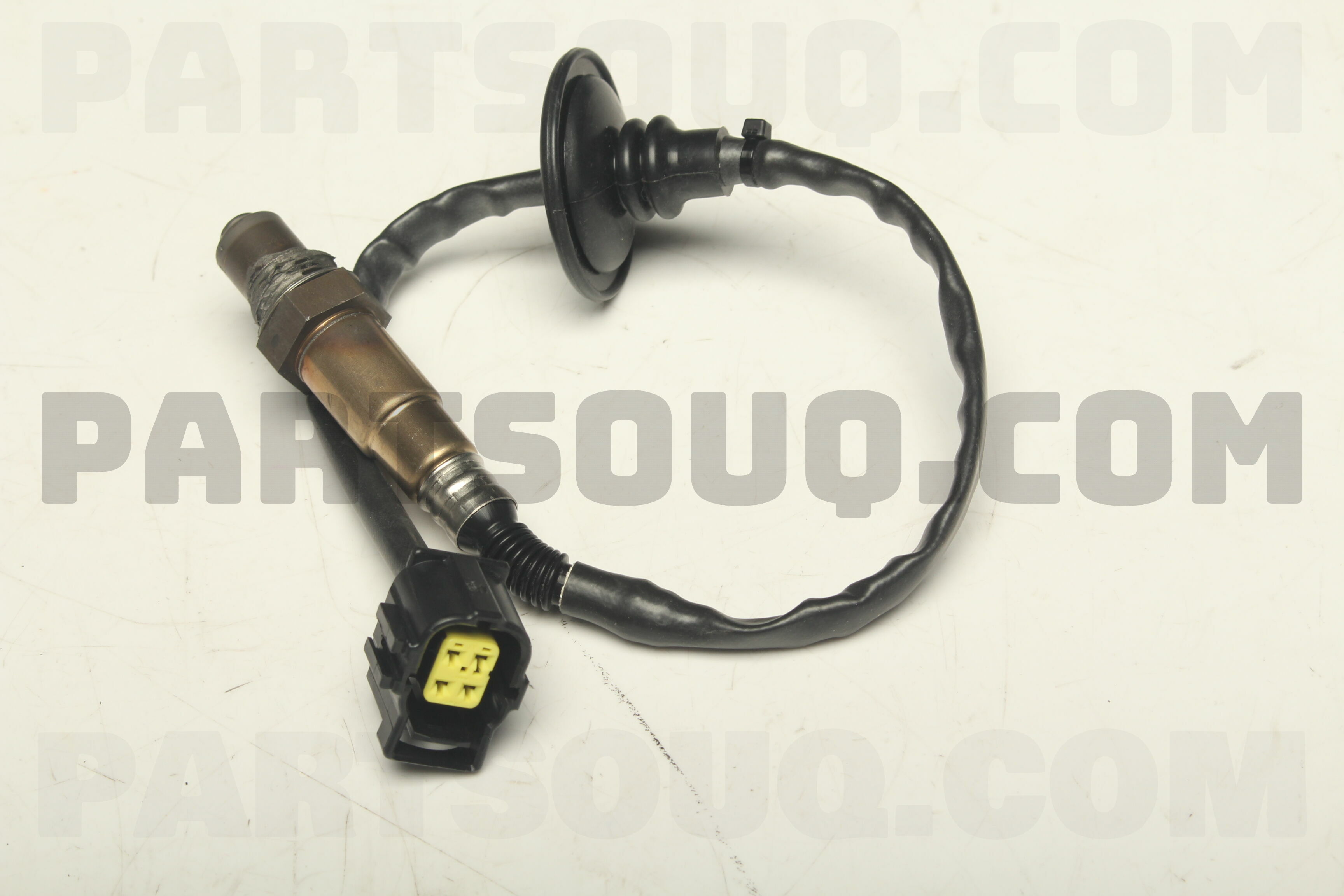
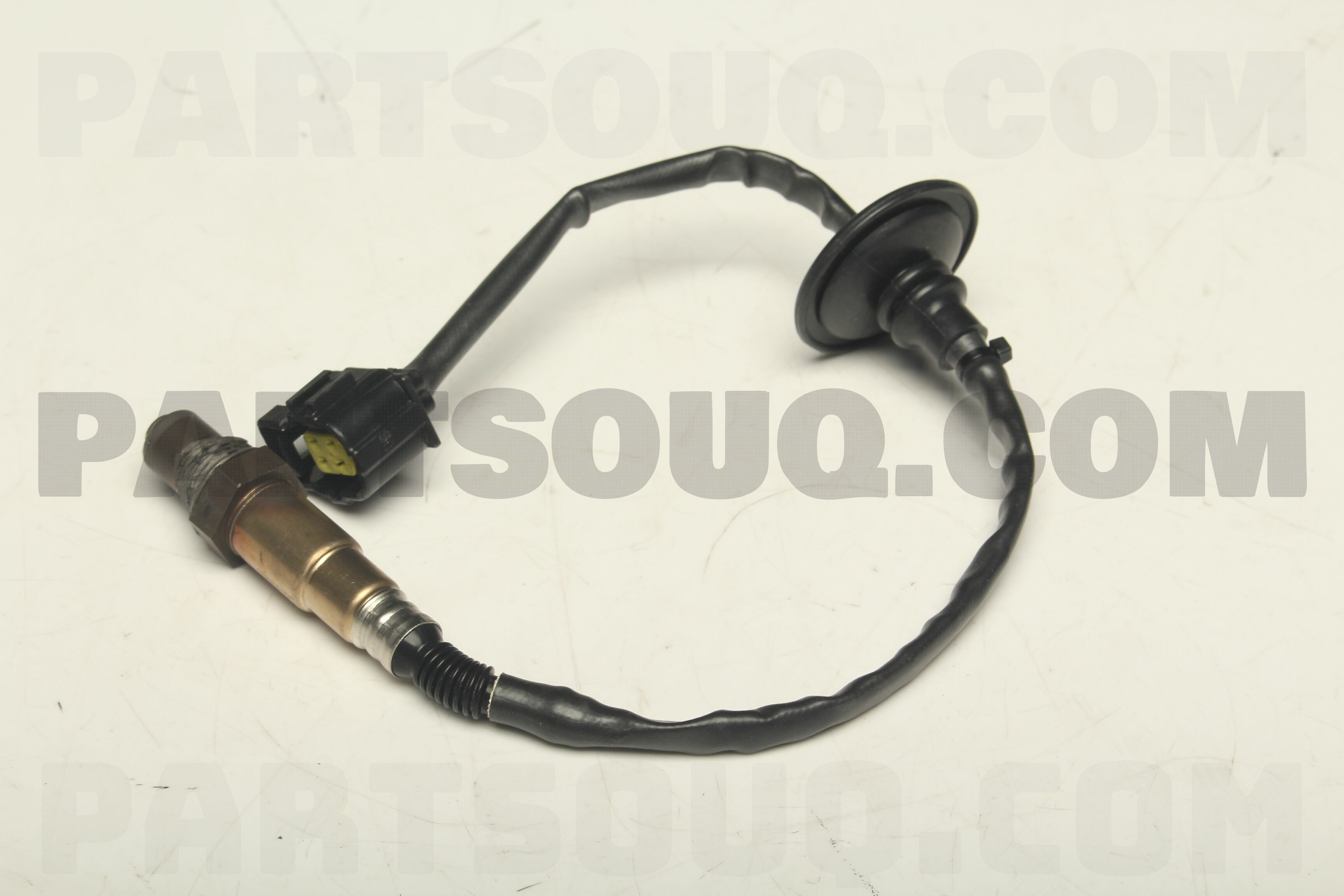
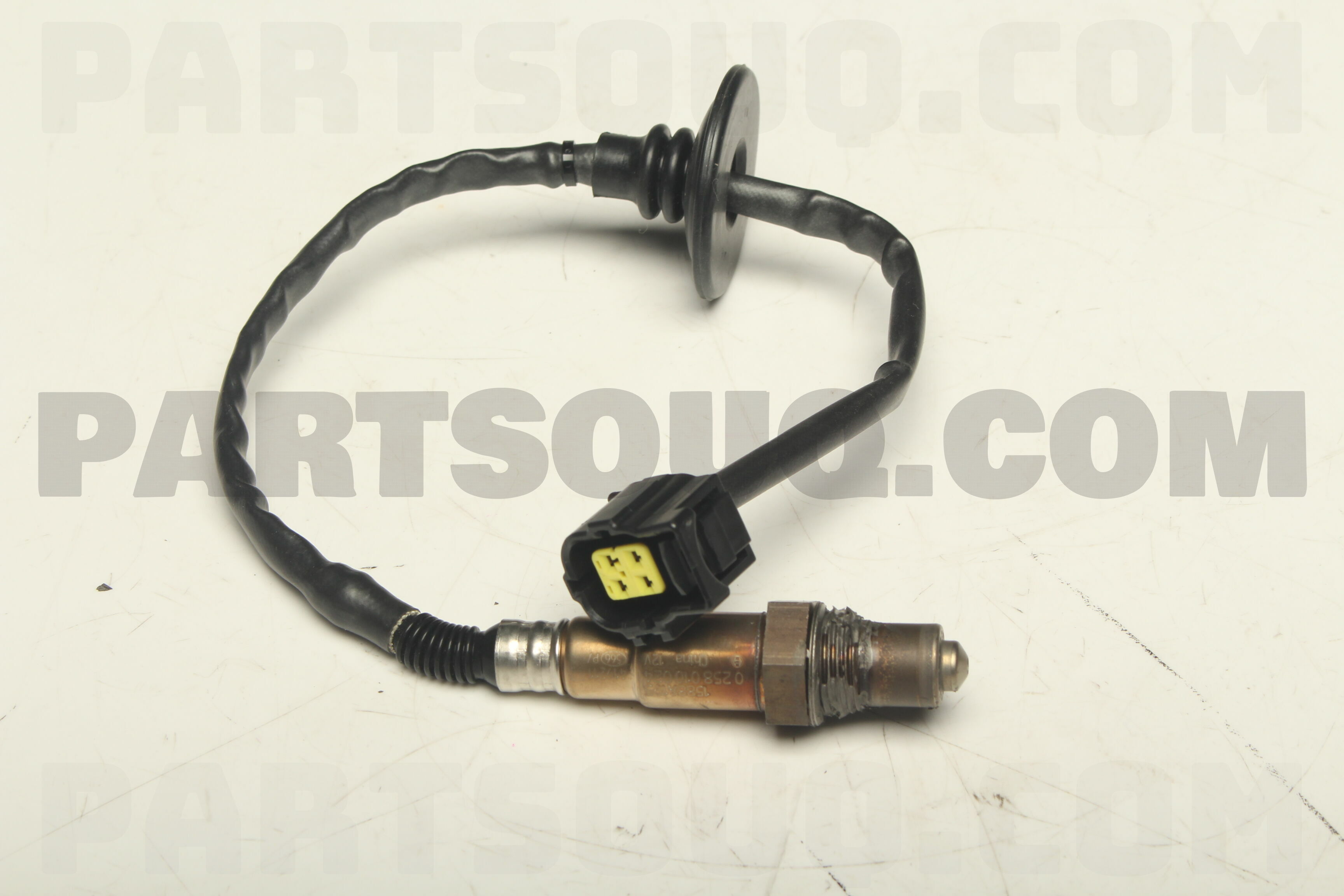
1588A195 Mitsubishi SENSOR,ENG CONTROL OXIGEN, Price: 436.50$, Weight: 0.16kg

| Make | Number | Name | Availability | Weight, kg | Ship in, Days | Price |
|---|---|---|---|---|---|---|
Mitsubishi |
1588A195 |
SENSOR,ENG CONTROL OXIGEN |
0 |
0.16 |
2-3 |
436.50$ |
| Not Available | ||||||
Originals
| Make | Number | Name | Availability | Weight, kg | Processing, days | Price | |
|---|---|---|---|---|---|---|---|
| FUSO |
SENSOR,ENG CONTROL O
|
0 |
0.23
|
-
|
336.32$
|
Not Available | |
| Mitsubishi |
SENSOR,ENG CONTROL OXIGEN
|
0 |
0.184
|
-
|
436.50$
|
Not Available |
Compatibility
| Frame | Market | Model | Model Year From | Modification | Diagram |
|---|---|---|---|---|---|
| GA0# | General | GA3W | 05.2010 | 1800 | View |
| Frame | Market | Model | Model Year From | Model Year To | Modification | Diagram |
|---|---|---|---|---|---|---|
| CX0# | Japan | CX3A | 11.2008 | 03.2015 | 1800(HATCH BACK) | View |
| Frame | Market | Model | Model Year From | Model Year To | Modification | Diagram |
|---|---|---|---|---|---|---|
| CY,CZ# | Japan | CY4A | 08.2007 | 01.2016 | 2000(SEDAN) | View |
| Frame | Market | Model | Model Year From | Model Year To | Modification | Diagram |
|---|---|---|---|---|---|---|
| CY,CZ# | General (EXPORT) | CY3A | 04.2007 | 12.2017 | 1800(SEDAN) | View |
| Frame | Market | Model | Model Year From | Model Year To | Modification | Diagram |
|---|---|---|---|---|---|---|
| CX0# | Europe (EUROPE) | CX2A | 07.2008 | 08.2017 | 1500(HATCH BACK) | View |
| Frame | Market | Model | Model Year From | Model Year To | Modification | Diagram |
|---|---|---|---|---|---|---|
| CW0# | General (EXPORT) | CW4W | 12.2005 | 04.2013 | 2000 | View |
| Frame | Market | Model | Model Year From | Modification | Diagram |
|---|---|---|---|---|---|
| GA0# | Japan | GA3W | 02.2010 | 1800 | View |
Oxygen Sensor for Engine Control
The oxygen sensor, a critical component within the automotive emission system, plays an essential role in ensuring optimal engine performance and fuel efficiency. Its primary function is to measure the oxygen levels in the exhaust gases as they exit the combustion chamber. This data is crucial for the engine control unit (ECU) to adjust the air-fuel mixture properly.
Why is the Sensor Needed
Efficient combustion and minimal emissions rely heavily on the precise balancing of the air-to-fuel ratio. When functioning correctly, the oxygen sensor ensures this balance by providing feedback to the ECU, allowing for real-time adjustments to the fuel injection system. This optimization is pivotal for both performance and environmental compliance, reducing harmful emissions and enhancing fuel economy.
How It Works
The sensor generates a voltage based on the oxygen content in the exhaust gases, which correlates to the air-fuel mixture. The ECU interprets this signal and maintains the ideal ratio by adjusting the fuel injectors accordingly. A working oxygen sensor is vital for the engine to perform at its best while lowering the vehicle's carbon footprint.
Consequences of Malfunction
If the sensor is broken or faulty, the ECU may receive inaccurate readings, leading to an incorrect air-fuel mixture. This can result in poor engine performance, increased fuel consumption, and higher emissions. Ultimately, a defective sensor can strain the catalytic converter, leading to costly repairs.
- Lancer Sportback
- Lancer
- ASX
- RVR
- Outlander
- Galant Fortis/Lancer Evolution
- Galant Fortis Sportback