1236138281 Toyota INSULATOR, ENGINE MOUNTING, FRONT, Price: 121.31$, Weight: 1.692kg
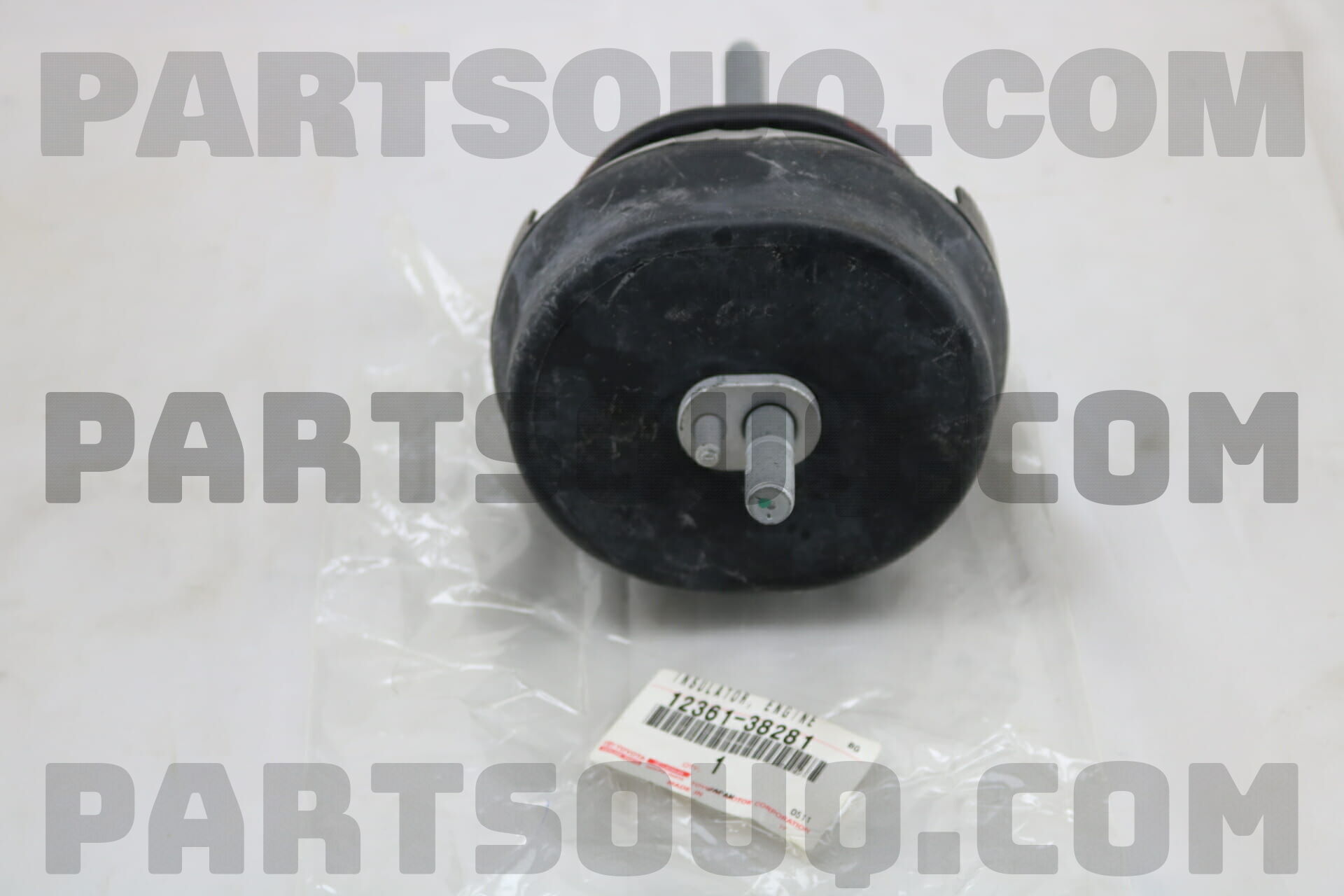

| Make | Number | Name | Availability | Weight, kg | Ship in, Days | Price |
|---|---|---|---|---|---|---|
Toyota |
1236138281 |
INSULATOR, ENGINE MOUNTING, FRONT |
0 |
1.692 |
7-10 |
121.31$ |
| Not Available | ||||||
Originals
Compatibility
| Description | Model | Options | Prod Period | Diagram |
|---|---|---|---|---|
| USF4# | USF40L-AEZGHW | ATM,MTM: AUTOMATIC TRANSMISSION; Driver's Position: LEFT-HAND DRIVE VEHICLES; Fuel Induction: DIRECT-INJECTION GASOLINE ENGINE; Engine: (1URFSE) 4600CC 32-VALVE DOHC EFI; Destination: EUROPE | 08.2006 - 09.2012 | View |
Engine Mounting Insulator: Vital for a Smooth Drive
The front engine mounting insulator is an essential component in any vehicle, acting as the bridge between the engine and the car's chassis. 🚗 Without it, drivers may experience significant discomfort and excessive noise, as the vibrations from the engine are not properly dampened. Engine mounts are specially designed to stabilize the engine, ensuring that it remains securely in place while the vehicle is in motion.
Why You Need It
The primary purpose of the mounting insulator is to absorb and reduce engine vibrations. During acceleration, braking, and regular driving, the engine generates considerable motion and force. The insulator acts like a cushion to prevent these forces from transferring directly to the car's frame, providing a smoother and more comfortable ride. Moreover, it helps maintain the correct alignment and positioning of the engine, preventing any potential damage caused by excessive movement.
How It Works
Constructed from durable materials, the insulator typically involves a composite of metal and rubber or polyurethane. The rubber acts as the primary shock absorber. As the engine runs, the insulator absorbs vibrations and distributes the absorbed energy across the mount, mitigating unnecessary stress on surrounding components. With robust flexibility and endurance, these mounts ensure silent and efficient operation.
Consequences of Failure
If the mounting insulator fails, drivers might notice increased engine noise and vibrations. Prolonged exposure to these forces could lead to fatigue and wear in other parts of the vehicle, potentially resulting in costly repairs. Additionally, a broken mount can disrupt the alignment of the engine, leading to erratic engine performance or even damage. Replacing a worn or broken insulator promptly is crucial to maintaining vehicle integrity and comfort. 🚀