1236131201 Toyota INSULATOR ENGINE, Price: 131.97$, Weight: 1.451kg
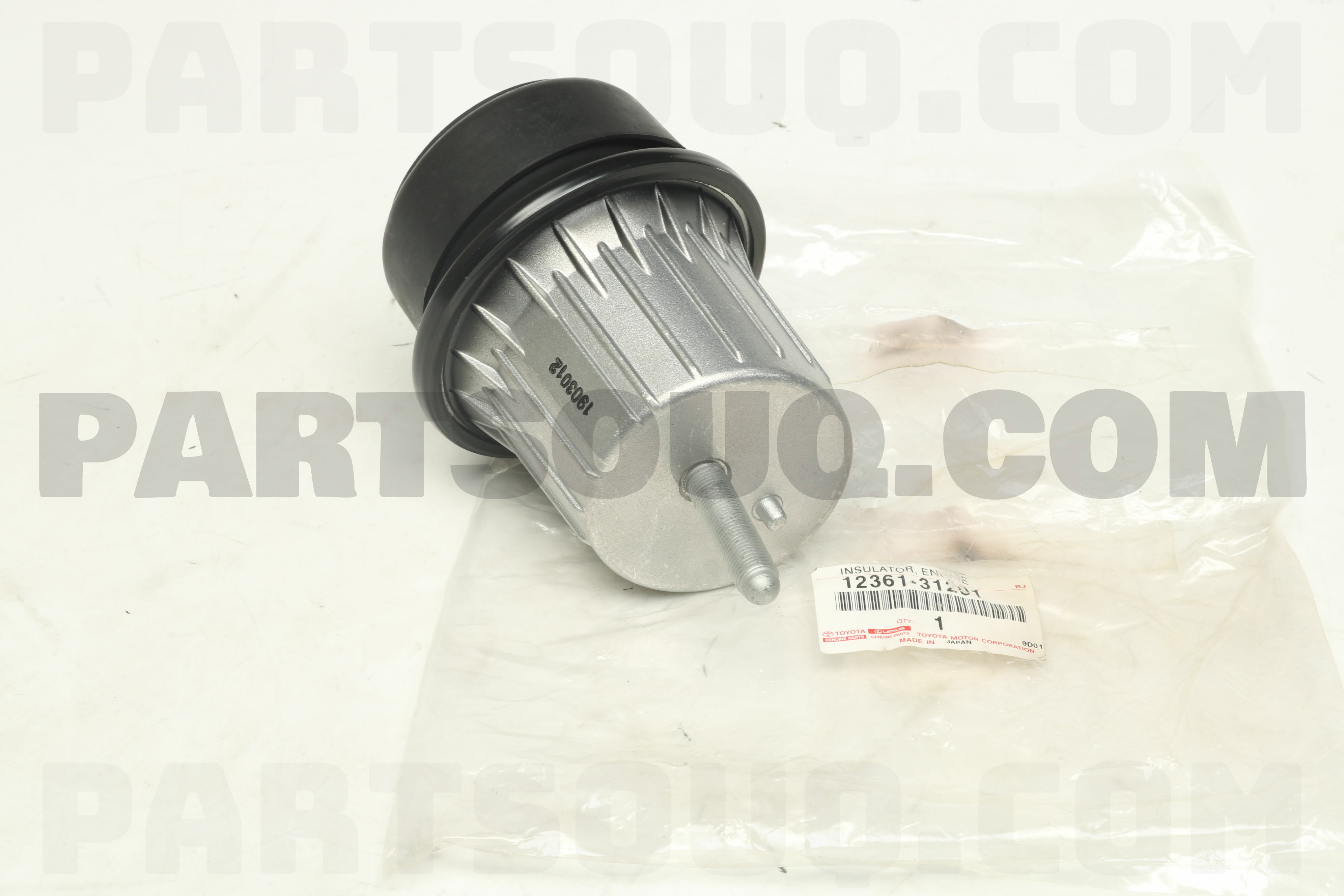


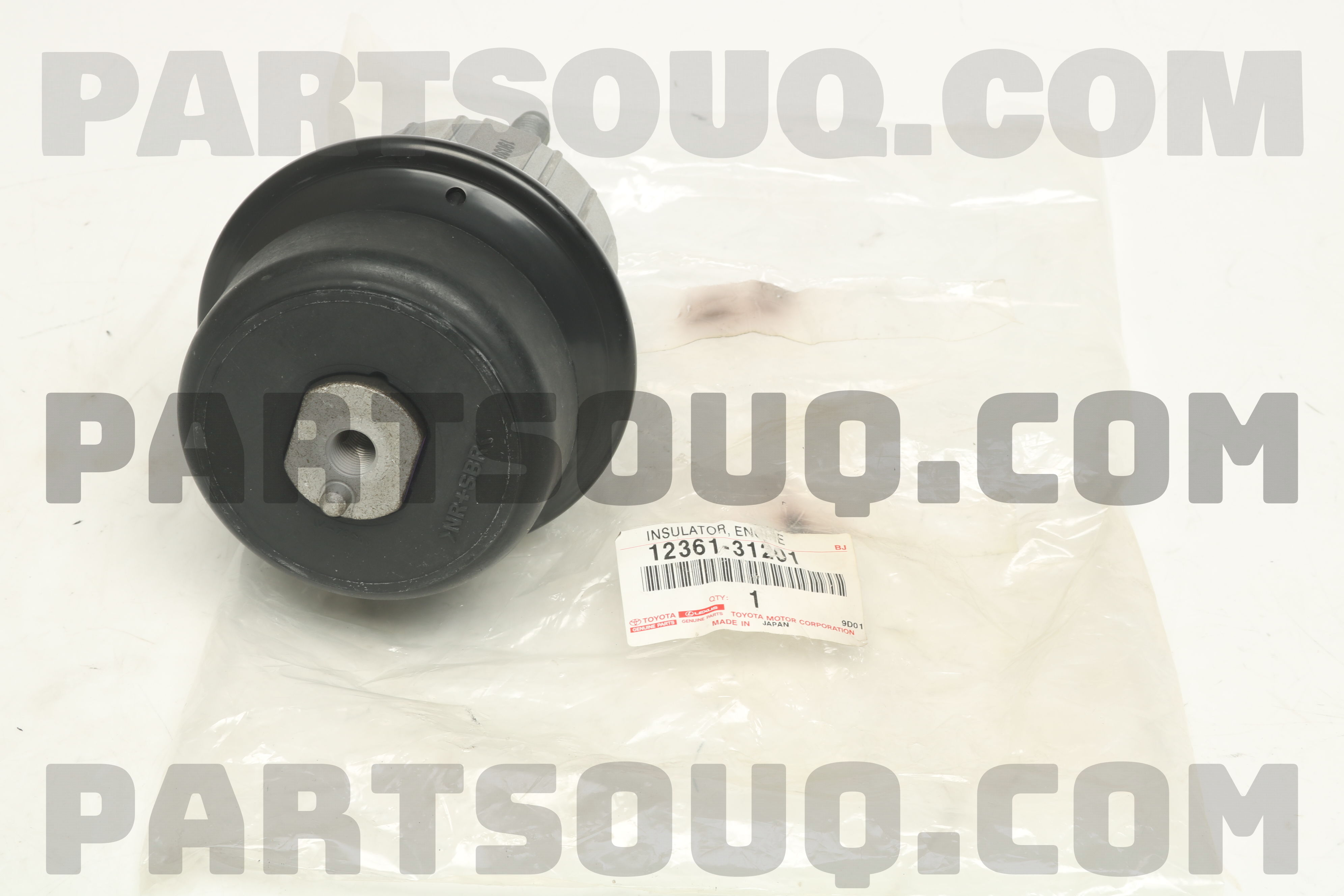

| Make | Number | Name | Availability | Weight, kg | Ship in, Days | Price |
|---|---|---|---|---|---|---|
Toyota |
1236131201 |
INSULATOR ENGINE |
21 |
1.451 |
2-3 |
131.97$ |
Originals
| Make | Number | Name | Availability | Weight, kg | Processing, days | Price | |
|---|---|---|---|---|---|---|---|
| Toyota |
INSULATOR ENGINE
|
5 |
1.669
|
|
158.36$
|

Compatibility
| Description | Model | Options | Prod Period | Diagram |
|---|---|---|---|---|
| GRX13# | GRX133-AETUH | ATM,MTM: AUTOMATIC TRANSMISSION; Grade: PREMIUM TYPE; Gear Shift Type: ATM, 6-SPEED FLOOR SHIFT; Engine: (2GRFSE) 3500CC 24-VALVE DOHC EFI | 10.2009 - 11.2016 | View |
Engine Insulator: The Silent Guardian
Every car engine is a powerhouse of energy and vibrations. An essential component in dampening these vibrations and ensuring a smoother ride is the Engine Insulator. This auto spare part is a crucial intermediary between the engine and the chassis, meticulously designed to absorb and minimize the transfer of engine-generated vibrations.
Why is the Engine Insulator Needed
Without a sturdy insulator, the quivering energy produced by the engine can transfer to the vehicle's body, leading to a noisy, uncomfortable ride. It plays a vital role in maintaining the harmonious balance between power and comfort, ensuring that the vibrations don't disrupt the tranquility of the cabin environment.
How Does It Work
Engine insulators are typically composed of resilient rubber or polyurethane material. They act like sponges, soaking up the intense vibrations. By isolating the engine's motion from the car's frame, they preserve the integrity of the vehicle while reducing wear on other parts connected to the engine block.
Consequences of a Broken Insulator
When an engine insulator fails, the effects are almost instantly noticeable. Increased vibration can lead to a noisy ride, potential discomfort for passengers, and added stress on surrounding components. Long-term neglect can result in more severe structural issues, transforming what should be a smooth drive into a raucous journey.
- Mark X