The vehicle speed sensor (VSS) plays a key role in modern cars. It feeds speed data to the engine computer (ECU), transmission control (TCM), and safety systems (ABS/ESC). When the sensor fails or its signal is corrupted, shifting, cruise control, and stability systems can all misbehave. This 2025 guide explains the history, how speed sensors work, the most common symptoms, and the best repair steps.
A Short History of the Speed Sensor & Main Characteristics 📜🔧
Early vehicles used mechanical cables from the transmission to drive the speedometer. As electronics matured in the late 1980s–1990s, manufacturers adopted electronic speed sensors. These sensors generate a digital (square-wave) or analog signal that reflects wheel or shaft speed.
Main Types You’ll See Today
- Hall‑effect sensor: Uses a magnet and electronics to produce a clean square wave at low and high speeds.
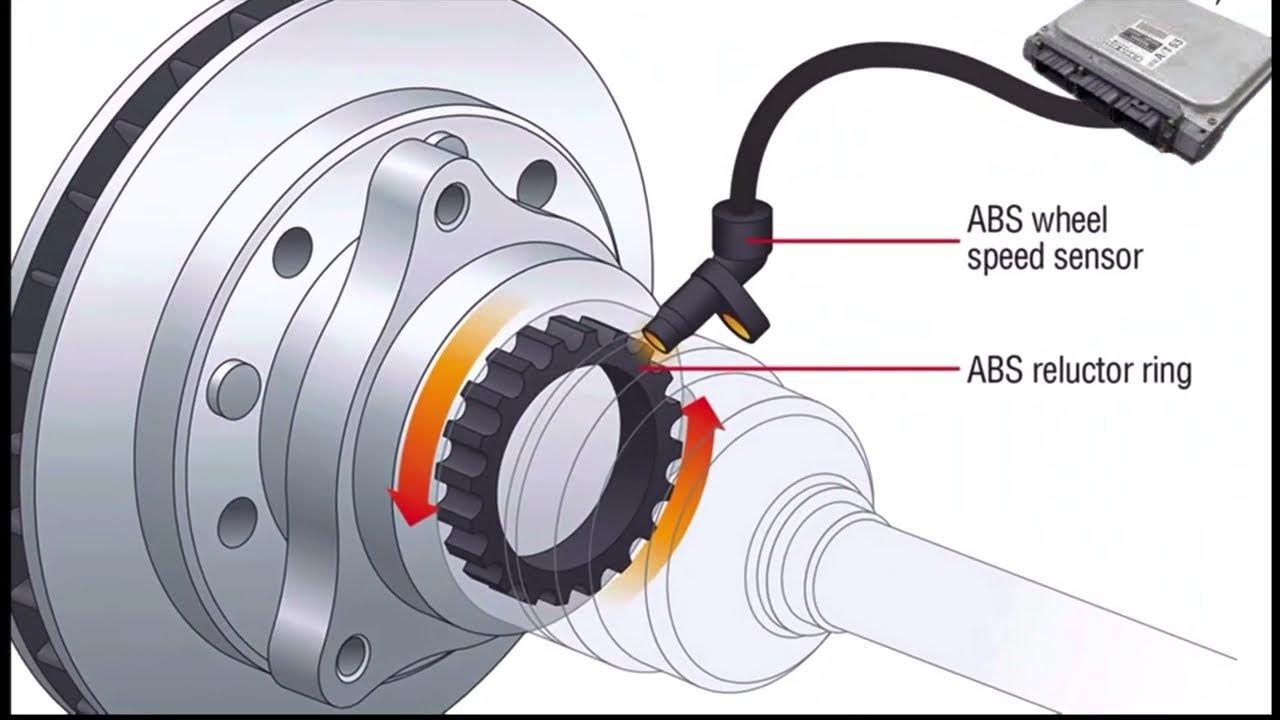
- Magneto‑resistive (MR) sensor: Sensitive, used widely in ABS wheel speed sensing with fine tooth rings.
- Variable Reluctance (VR): Inductive sensor that generates AC voltage; common on older applications.
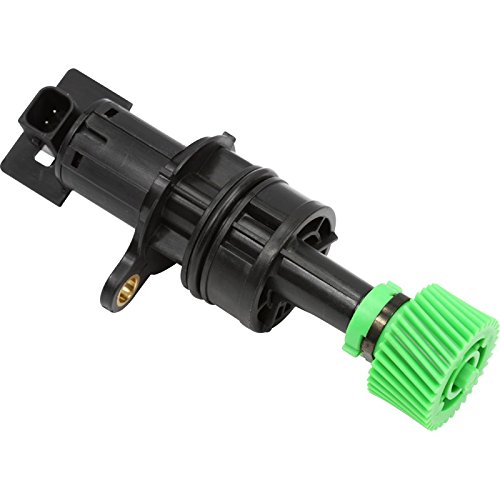
- Location: Transmission output/input shaft, transfer case, or at the wheel hubs (ABS wheel speed sensors).
Why this matters in 2025: More systems depend on accurate speed data than ever (radar cruise, lane/ESC logic, start/stop, hybrid management). Industry service data in 2024–2025 suggests speed-sensor-related faults account for a notable slice of drivability and warning-light complaints in vehicles over 5–7 years old.
What Happens When a Speed Sensor Goes Bad? 🚨
When the VSS signal is missing or wrong, the control modules use substitutes or go into fallback modes. You may notice poor shifting, inoperative cruise control, or warning lights. ABS/ESC often disables if a wheel speed sensor fails.
Main Symptoms of a Bad Speed Sensor 🧩
- ⏱️ Dead or erratic speedometer/odometer: Reading jumps or drops to zero while moving.
- ⚙️ Harsh/late shifts in automatics: Gear hunting, delayed upshifts, or limp mode.
- 🧭 Cruise control inoperative: Cruise won’t set or cancels immediately.
- 🚨 Warning lights: Check Engine, ABS, or Traction/ESC (codes like P0500, P0720/P0722, C0035–C0041).
- 🛑 Unstable idle or stalling when stopping: Some ECUs use VSS for decel fuel cut/idle control.
- 🧊 Speed limiter/ADAS quirks: Incorrect speed data can affect driver assists.
- 🌧️ Intermittent issues in wet/cold: Moisture or corrosion at the connector/hub triggers dropouts.
Common Causes in 2025 🔍
- 🧲 Metal debris on magnetic tip (especially at wheel hubs or output sensors).
- 🦠 Corroded connectors/wiring breaks in the door/underbody harness or hub pigtails.
- 🦷 Damaged tone ring/reluctor (cracked, missing teeth, rust swell increasing gap).
- 🛢️ Contamination from oil/grease at a faulty seal or bearing.
- ⚡ Failed sensor heater circuit (on some ABS sensors) or internal short/open.
- 🧠 Module/software issues: Rarely, ABS/ECU faults or calibration needs after repairs.
How to Diagnose a Bad Speed Sensor (DIY & Pro) 🧪
DIY Steps
- 📲 Scan for codes with an OBD‑II tool. Note P0500/P0720/P0722 (VSS), and ABS C0xxx wheel sensor codes.
- 📊 Check live data: Compare vehicle speed readings (ECU vs ABS). Look for a sensor that drops to zero or lags.
- 🔌 Inspect connectors: Clean corrosion, check for broken wires, proper pin fit, and water ingress.
- 🧲 Clean sensor tip: Remove metal fuzz/dust. Examine the tone ring for cracks or heavy rust.
Pro-Level Checks
- 📈 Oscilloscope signal test (VR/Hall): Verify waveform amplitude and consistency with wheel rotation.
- 🧮 Resistance/heater checks: Compare sensor resistance to spec; test heater circuit where applicable.
- 🧭 ABS bidirectional tests: Module can command self-checks and read each wheel speed precisely.
- 🧰 Mechanical inspection: Wheel bearing play (can alter sensor gap), damaged reluctor in CV axle/rotor/shaft.
What to Do: Fixes in 2025 🔧
- 🔁 Replace the faulty sensor with an OEM-equivalent unit. Avoid low‑quality sensors with unstable signals.
- 🧼 Clean/repair connectors and wiring: Use dielectric grease sparingly on seals; repair broken pigtails.
- 🦷 Address the tone ring: Replace cracked/warped rings; remove rust scale that increases the sensor gap.
- 🛞 Wheel bearings: Replace if loose or noisy—bearing-integrated tone rings will misread with play.
- 💻 Calibrate/initialize: Some vehicles need ABS or speedometer calibration after parts replacement.
- 🧪 Clear codes and road test: Confirm normal speed readings, smooth shifts, and no warning lights.
Costs & Time Estimates 💵⏱️
- 🔌 ABS wheel speed sensor: $60–$250 part; 0.5–1.0 hr labor typical.
- ⚙️ Transmission VSS/output sensor: $40–$180 part; 0.5–1.0 hr labor typical.
- 🧱 Tone ring or bearing (if integrated): higher—varies by axle/hub design and labor time.
Prevention Tips for Longer Life 🛡️
- 🚿 Rinse winter salt and mud from hubs/underbody; rust expands and distorts tone rings.
- 🧲 Keep magnets clean: During brake work, inspect/clean sensor tips and mounting faces.
- 🛞 Fix bearing play early: Loose hubs alter sensor gap and kill readings.
- 🔋 Maintain good grounds and battery: Low voltage and poor grounds cause intermittent sensor faults.

FAQ: Speed Sensor Problems in 2025 ❓
Is the vehicle speed sensor the same as ABS wheel speed sensors?
Not always. Many cars have a transmission output VSS for the speedometer/TCM and separate ABS wheel sensors for each wheel. Some models derive vehicle speed from ABS sensors only.
Can I drive with a bad speed sensor?
Short trips may be possible, but you risk harsh shifts, disabled cruise, and reduced ABS/ESC function. It’s safer to fix it promptly—especially if ABS/ESC lights are on.
Why does my car shift hard when the VSS fails?
The transmission needs accurate speed data to time shifts. With a bad signal, the TCM uses backup strategies that cause late or firm shifts or limp mode.
Do I need programming after replacement?
Most sensors are plug‑and‑play. Some vehicles require ABS calibration or a short drive cycle to relearn. Follow service info for your model year.
Could it be wiring and not the sensor?
Yes. Broken wires in flexible areas (hub pigtails, door/underbody boots) are common. Always inspect wiring and connectors before replacing parts.
Can a dirty tone ring cause intermittent ABS activation?
Absolutely. Missing teeth or rust swell create false low-speed signals, making ABS think a wheel is locking. Clean or replace the ring to restore accuracy.
Bottom Line for 2025 ✅
A failing speed sensor causes a cascade of issues—erratic speedometer, poor shifting, and disabled driver assists. Use a scan tool, inspect wiring and tone rings, and replace weak sensors with quality parts. Fixing it early restores smooth shifting, accurate speed, and full safety system operation. 🛠️🚙