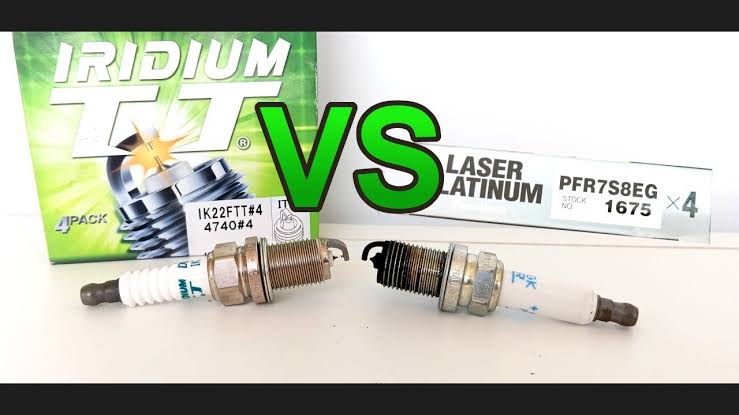
When your engine misfires, idles rough, or loses MPG, spark plugs are among the first parts to inspect. Two names dominate the market: Denso and NGK. Both are trusted OEM suppliers to Toyota, Honda, Nissan, Mazda, Subaru, and many European and American brands. So which one should you choose in 2026? This guide explains their technologies, differences, and best use cases in clear, technician-grade language.
Quick Brand Snapshot 🏁
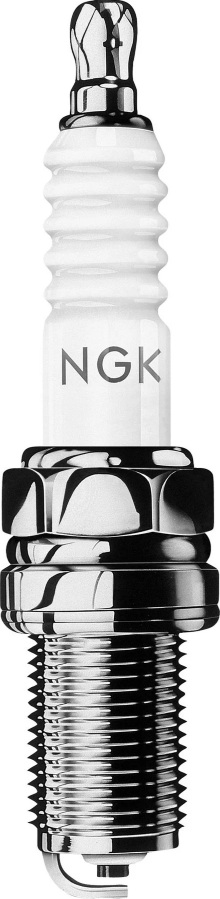
- NGK (Japan): Global leader in ignition components and sensors. Known for Laser Iridium/Platinum, Ruthenium HX, and strong motorsport presence.
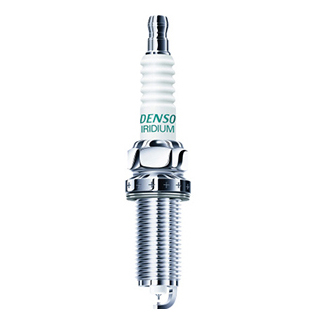
- Denso (Japan): Pioneer of Iridium fine-wire plugs (Iridium Power/TT), strong OEM adoption across Japanese manufacturers and hybrids.
Spark Plug Basics: What Matters Most ⚙️
- Material: Copper/nickel (budget), platinum (longer life), iridium (fine-wire, fastest ignition, long life), ruthenium (NGK’s premium line for GDI/turbo).
- Heat range: Affects how quickly the plug sheds heat. Too hot = pre-ignition risk. Too cold = fouling. Always match OEM heat range.
- Electrode design: Fine-wire center + tapered ground improves flame kernel growth and cold starts.
- Resistor and EMI control: Protects sensitive ECUs and coil drivers from noise.
- Fitment: Thread size/pitch, reach, seat type (gasket vs tapered), and projected tip must be correct for your engine.
NGK vs Denso: Key Differences 🔬
1) Performance and Longevity
- 🚀 Iridium (both brands): Fastest ignition and best durability for modern GDI/turbo engines. Typical life 60–100k miles (100–160k km) under normal conditions.
- 🪙 Platinum (both brands): Good balance of cost and life; often specified for older multi-port engines. 50–80k miles typical.
- 🔥 NGK Ruthenium HX: Excellent for high-strain GDI/turbo, strong anti-fouling, stable spark at lean mixtures. Premium price, premium stability.
- 🧵 Denso Iridium TT: Ultra-fine twin-tip concept (fine center + needle ground) reduces quench, promotes a strong flame front with low coil demand.
2) OEM Alignment
- 🚗 Toyota/Lexus, Honda/Acura: Often ship with Denso or NGK from factory depending on engine family. Either is typically acceptable if part numbers match OEM spec.
- 🏁 Subaru, Mazda, Nissan: Mix of NGK and Denso OEM fitments. Always cross-reference exact OEM number, heat range, gap, and reach.
- 🔌 Rule of thumb: If your owner’s manual or coil calibration favors a brand/design (e.g., projected tip length), stick to it for best cold start and idle quality.
3) Cold Starts, Idle, and Fuel Economy
- ❄️ Fine-wire iridium (both) has the edge in cold climates and short trips; needs less voltage and resists fouling better than standard nickel/platinum.
- ⛽ NGK’s Ruthenium and Denso’s Iridium TT both improve ignition stability at lean mixtures common in GDI engines, supporting smoother idle and MPG.
4) Price and Availability
- 💵 NGK Ruthenium sits at the top end; NGK Laser Iridium and Denso Iridium are typically mid‑premium; Platinum/Nickel options are budget‑friendly.
- 🏪 Availability is excellent for both brands. Beware of counterfeits — buy from reputable sources.
Which Should You Choose? 🧭
- Daily driver(OEM spec): Use the OEM‑listed NGK or Denso number. No need to “upgrade” if the factory already specifies fine‑wire iridium.
- GDI/Turbo (modern engines): NGK Ruthenium HX or Denso Iridium TT/Iridium fine‑wire — excellent stability and longevity.
- Older multi‑port engines: Platinum or Iridium (NGK Laser / Denso Iridium) for longer service intervals.
- LPG/CNG: Prefer iridium (both brands) with correct heat range; gases run hotter and drier, so stronger electrodes help.
- Motorcycles/small engines: Match OEM heat range and thread; fine‑wire NGK/Denso options reduce kick‑back and fouling.
Symptoms of Worn or Wrong Spark Plugs 🚨
- 💡 Check Engine with misfire codes (P0300–P030X) or catalyst efficiency issues (P0420/P0430).
- 🤕 Rough idle, hesitation on takeoff, poor throttle response.
- ⛽ Drop in fuel economy, sulfur/sooty exhaust smell.
- 🔊 Spark knock under load (wrong heat range, wrong gap, or low‑octane fuel).
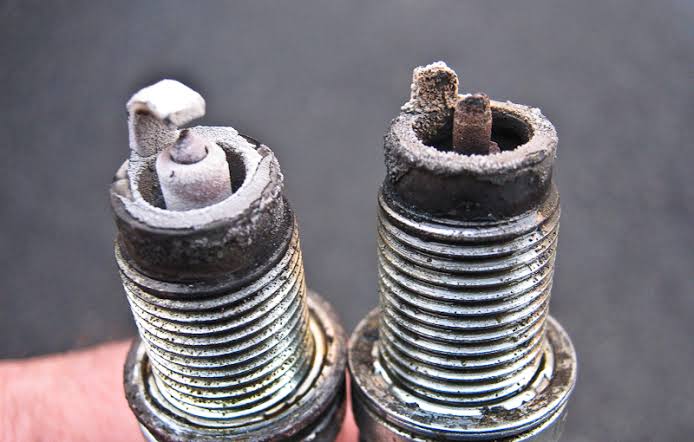
- 🧪 Plugs show deposits/oil fouling, cracked insulator, or eroded electrodes.
Installation Tips (Tech‑Approved) 🛠️
- 📏 Gap: Many iridium/platinum plugs are pre‑gapped to OEM spec. Verify gently; do not force fine‑wire tips. Some applications require specific gaps — follow service data.
- 🔩 Torque: Use a torque wrench; over‑torque can distort the shell, under‑torque can cause poor heat transfer. Follow the plug’s box/manual spec.
- 🧴 Anti‑seize? Generally not recommended on modern nickel‑plated threads (changes torque value and can cause over‑tightening). If OEM says no, don’t use it.
- ⚡ Coil boots: Add a tiny smear of dielectric grease inside the boot only (not on electrodes) to prevent sticking and arcing.
- 🧼 Clean wells: Blow out debris before removal. Keep oil/coolant out of the cylinders.
- 🔁 Replace set‑wise: Change all plugs together and inspect coils and PCV while you’re there.
Common Myths Busted 🧨
- ❌ “Higher heat range = more power.” Wrong. Heat range is about plug temperature, not horsepower. Use OEM range.
- ❌ “Wider gap always better spark.” Not if your coils can’t support it; stick to OEM gap for reliable ignition.
- ❌ “Any iridium is fine.” Geometry, projection, and heat range differ. Use the exact cross‑referenced part number.
Bottom Line ✅
Both Denso and NGK make excellent spark plugs. For most drivers, the “best” choice is the one that matches the OEM specification. If you’re choosing a premium line for a modern GDI/turbo engine, NGK Ruthenium HX and Denso Iridium/Iridium TT deliver consistent ignition, long life, and smooth idle. The biggest mistakes are using the wrong heat range, the wrong reach, or poor installation — not the brand itself.
FAQ ❓

Are NGK better than Denso? 🤔
Both are top‑tier. In many OEM catalogs, either brand is approved. Pick the plug that matches your engine’s exact spec (material, heat range, projection, reach). Differences are subtle and application‑specific.
What’s better for turbo/GDI engines in 2026? 🌀
Fine‑wire iridium or ruthenium. NGK Ruthenium HX and Denso Iridium/Iridium TT offer stable spark under high cylinder pressures and lean burn conditions.
Can I mix brands (Denso in some cylinders, NGK in others)? 🧩
It’s best to run a matched set. Mixing can work in a pinch, but consistency (same part type and heat range) gives the smoothest idle and easiest diagnostics.
Do iridium plugs come pre‑gapped? 📏
Usually yes, [24.09.2026 17:45] PartSouqBot: to the OEM spec. Still verify gently. Avoid bending fine‑wire electrodes; if adjustment is needed, follow the manufacturer’s method.
How often should I change spark plugs? ⏱️
Check your owner’s manual. Typical intervals: 60–100k miles (100–160k km) for iridium/ruthenium, 30–60k miles (50–100k km) for platinum, and shorter for copper/nickel.
Should I use anti‑seize on modern plugs? 🧴
Generally no. Most NGK and Denso plugs have nickel‑plated threads to prevent seizing. Anti‑seize alters torque and risks over‑tightening unless explicitly approved.
What heat range should I choose? 🌡️
Always use the OEM heat range. Changing it without data can cause fouling (too cold) or pre‑ignition (too hot), risking engine damage.
Why did my new plugs cause misfires? 🚨
Check for wrong part number, incorrect gap, cracked porcelain, oil in plug wells, bad coil boots, or weak coils. Also verify proper torque and clean seating.
Can better plugs fix worn coils or tuning issues? 🧠
No. Plugs can’t compensate for weak coils, vacuum leaks, low fuel pressure, or a bad tune. Fix root causes first.
How do I avoid counterfeits? 🛡️
Buy from reputable sellers, verify packaging and laser etching, and cross‑check part numbers with Denso/NGK catalogs.