Résultats de recherche pour: 8940860020



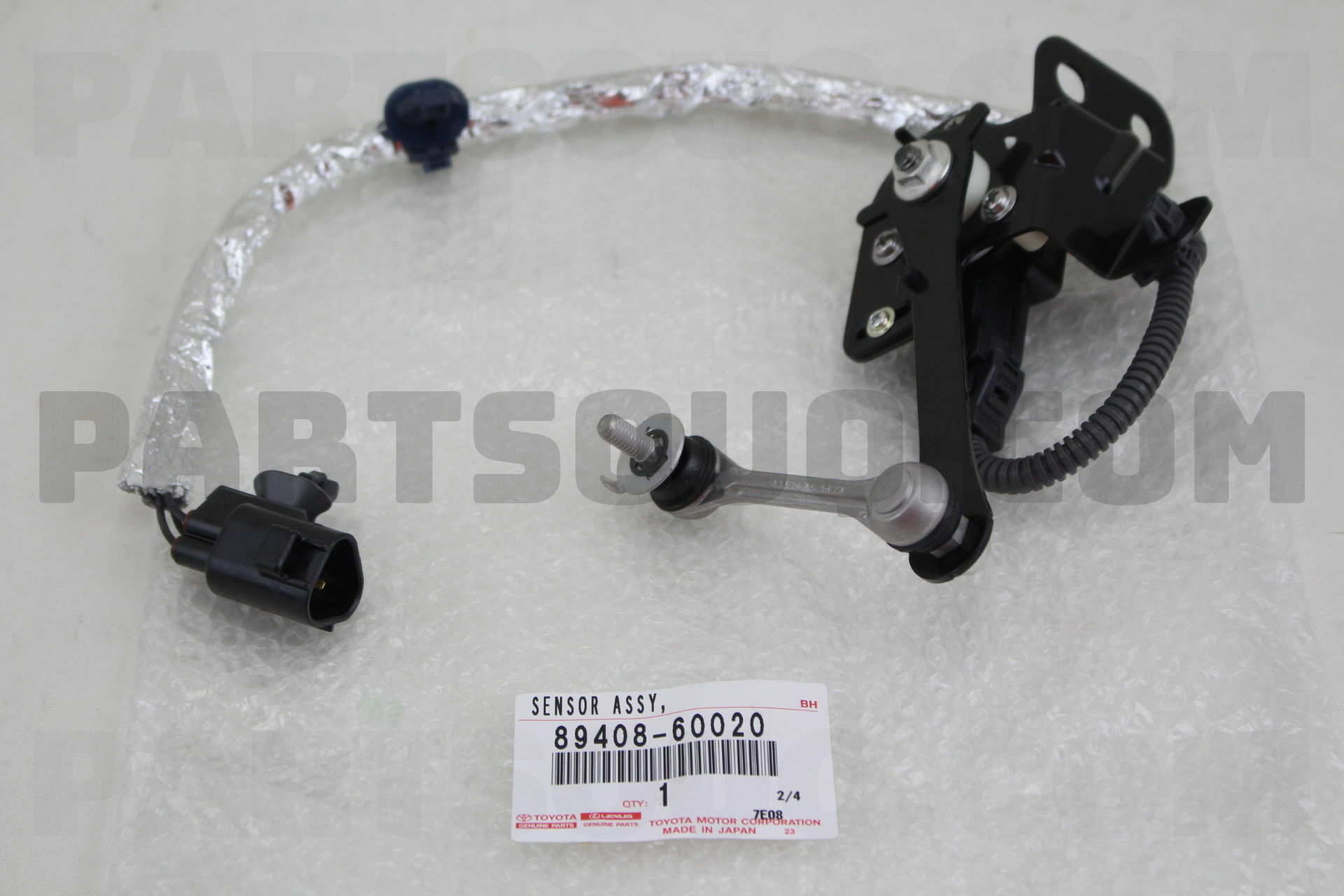
SENSOR SUB-ASSY, HEIGHT CONTROL, REAR LH
Numéro de pièce: 8940860020
Disponibilité: 20
Poids, kg: 0.522
Commander maintenant:
Marque: Toyota
Fabriqué en: Japan

SENSOR SUB-ASSY, HEIGHT CONTROL, REAR LH
Numéro de pièce: 8940860020
Disponibilité: 24
Poids, kg: 0.522
Traitement: 2-3 jours
Marque: Toyota
Fabriqué en: Japan
Substitutions
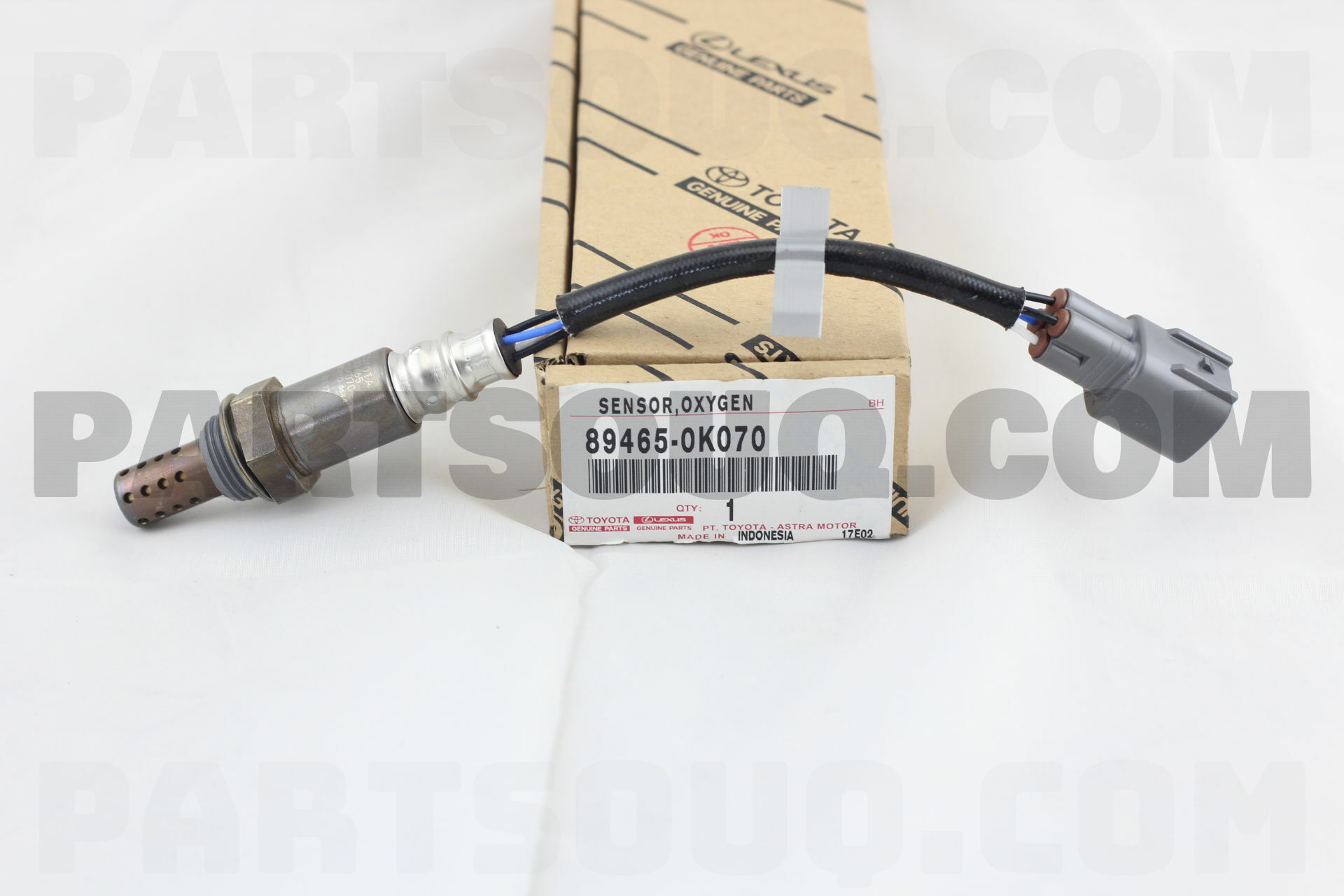
SENSOR, OXYGEN
Numéro de pièce: 894650K070
Disponibilité: 2
Poids, kg: 0.148
Commander maintenant:
Marque: Toyota
Fabriqué en: Indonesia
SENSOR, OXYGEN
Numéro de pièce: 894650K070
Disponibilité: 2
Poids, kg: 0.148
Traitement: 2-3 jours
Marque: Toyota
Fabriqué en: Indonesia
LEVEL SENSOR, REAR LEFT (WITH LINK)
Numéro de pièce: 01603010
Disponibilité: 2
Poids, kg: 0.6
Traitement: 2-3 jours
Marque: FEBEST
Fabriqué en: Germany

Rear Left Ride Height Control Sensor (Suspension Level Sensor)
This component is fitted on the rear left side to help the vehicle keep the correct ride height under load. It is essential for cars with height control, air suspension, or self-leveling systems. When you add passengers, luggage, or tow a trailer, the suspension position changes—this sensor reports that change so the system can react properly ✅
Why this part is needed
The suspension control module must know the exact body-to-axle position. Without a reliable signal, the vehicle cannot level itself correctly, affecting comfort, headlight aim, and stability.
How it works
A small linkage arm moves with the suspension. Inside, a position element converts that movement into a voltage/resistance signal. The control unit uses this data to command the compressor/valves or dampers to raise, lower, or maintain height ⚙️
What happens if it fails
Common symptoms include uneven rear height, warning light, harsh ride, incorrect leveling, and poor handling. In some cases the system may lock in a safe mode, overwork the compressor, or cause premature wear on shocks and bushings
Technician tip
Check the linkage for rust/binding and confirm wiring integrity—many “sensor faults” start as broken clips or corrosion.