8980924811 Isuzu ELEMENT; FUEL FILTER, Price: 77.47$, Weight: 0.462kg

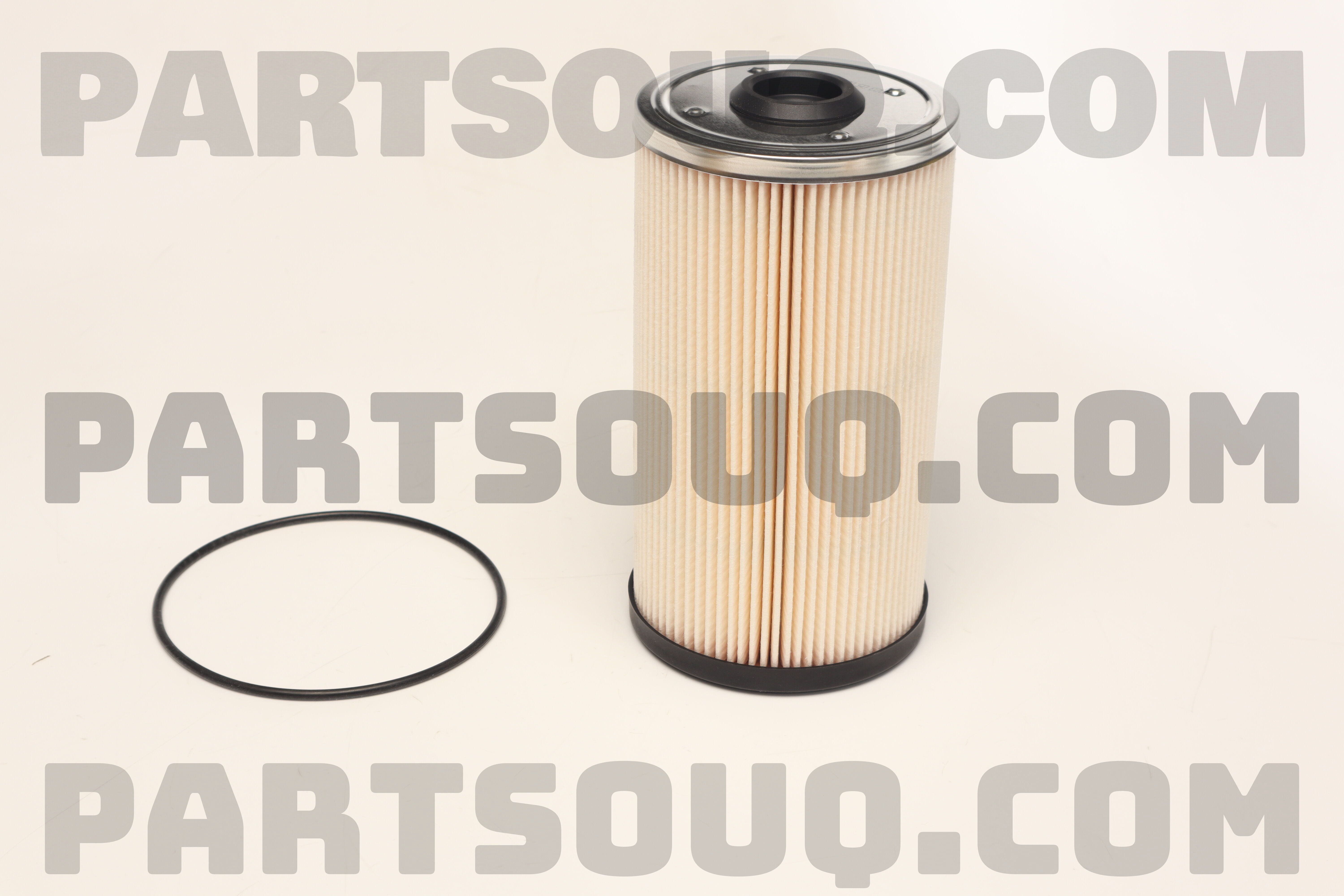


| Make | Number | Name | Availability | Weight, kg | Ship in, Days | Price |
|---|---|---|---|---|---|---|
Isuzu |
8980924811 |
ELEMENT; FUEL FILTER |
226 |
0.462 |
2-3 |
77.47$ |
Originals
| Make | Number | Name | Availability | Weight, kg | Processing, days | Price | |
|---|---|---|---|---|---|---|---|
| Nissan |
8980924811
|
FUEL FILTER
|
0 |
0.531
|
-
|
113.42$
|
Not Available |
Advanced Fuel Filtration System for Enhanced Performance
The Isuzu Fuel System Component is a critical element in maintaining the efficient operation of your engine by ensuring that the fuel entering it is impeccably clean. This pivotal component is necessitated by the fact that fuel contains myriad contaminants – ranging from dust particles to rust – that can severely impede the performance of the engine if not adequately filtered out.
Why You Need It
This component is indispensable for optimizing engine performance and longevity. Every drop of fuel that propels your vehicle is potentially laden with impurities that, if left unchecked, can cause blockages, reduce airflow, and lead to decreased fuel economy. By filtering out these unwanted elements, this filtration system ensures smoother combustion and efficient fuel flow, translating into a more reliable driving experience.
How It Works
Engineered with meticulous precision, the filtration system operates by trapping foreign particles using a high-grade filtering medium. As fuel passes through the medium, contaminants are ensnared, allowing only clean fuel to reach the engine. This filtration process not only safeguards the engine’s intricate fuel injection system but also enhances overall operational efficiency.
Consequences of a Malfunctioning Filter
Should this vital component become compromised, the repercussions can be manifold. A malfunctioning filter can lead to clogged fuel lines, resulting in erratic idling, rough engine starts, and even engine stalling. Over time, unfiltered contaminants can cause significant wear and tear, leading to costly repairs. Hence, regular maintenance and prompt replacement are crucial to prevent performance pitfalls and to maintain optimal fuel consumption.