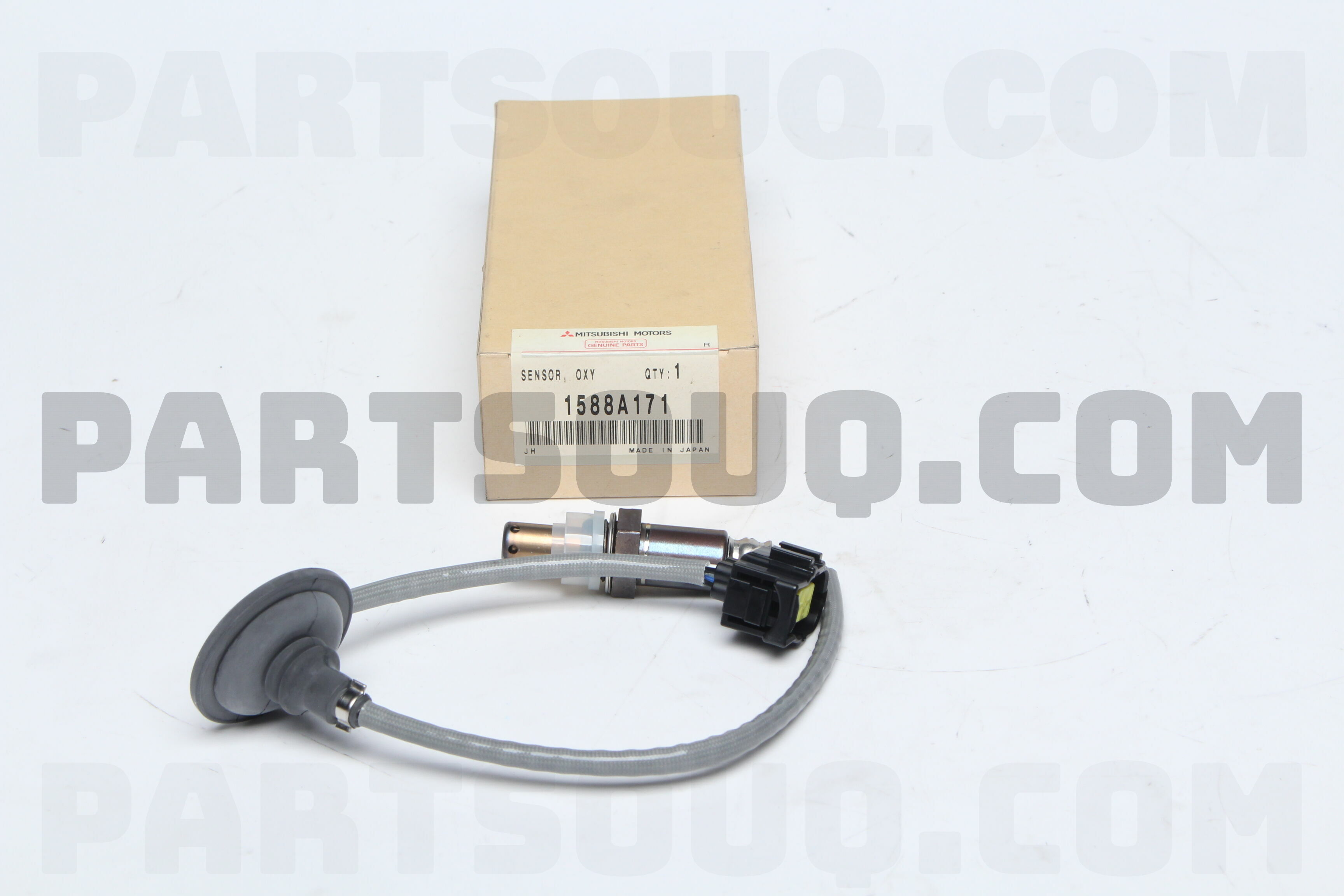
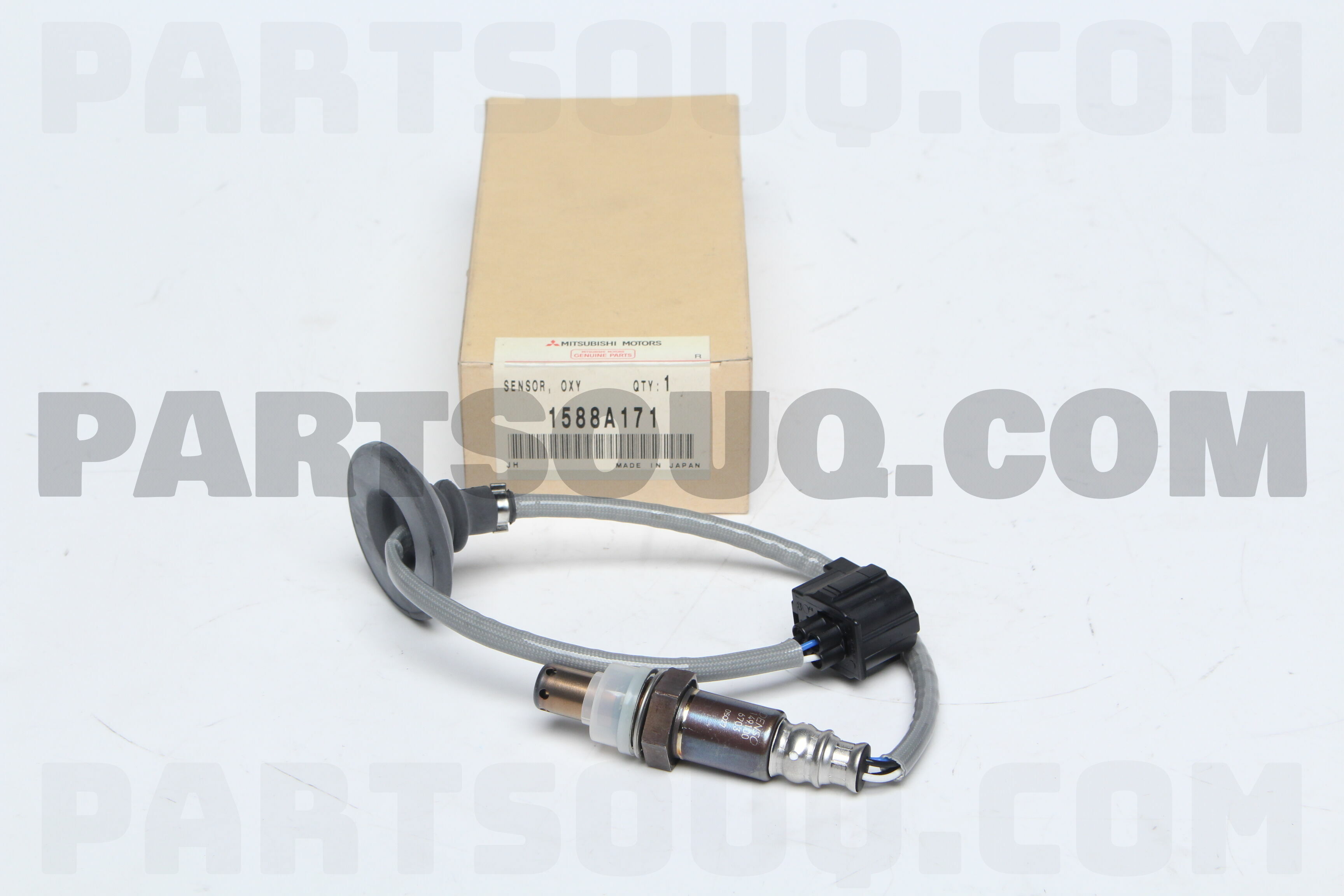
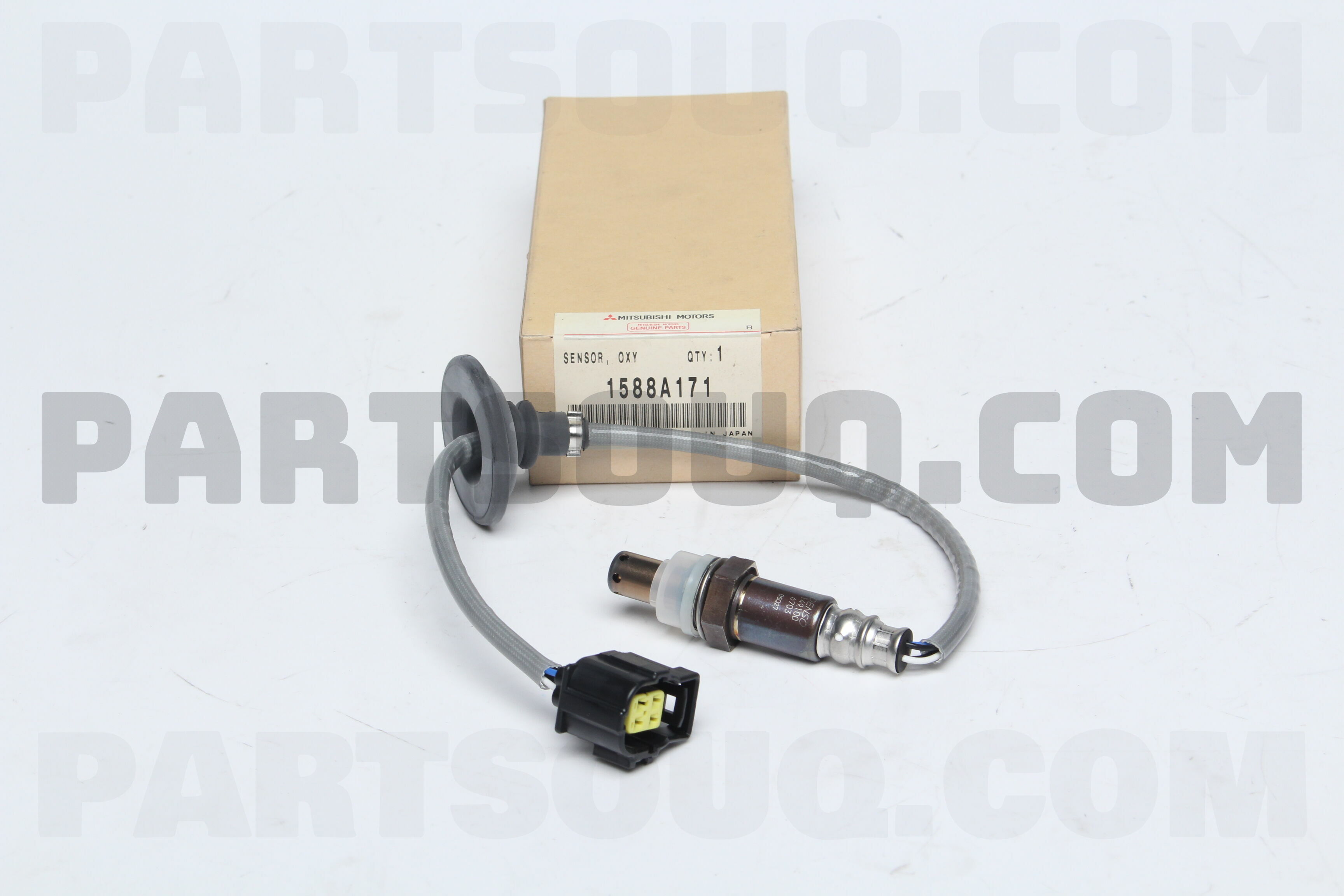
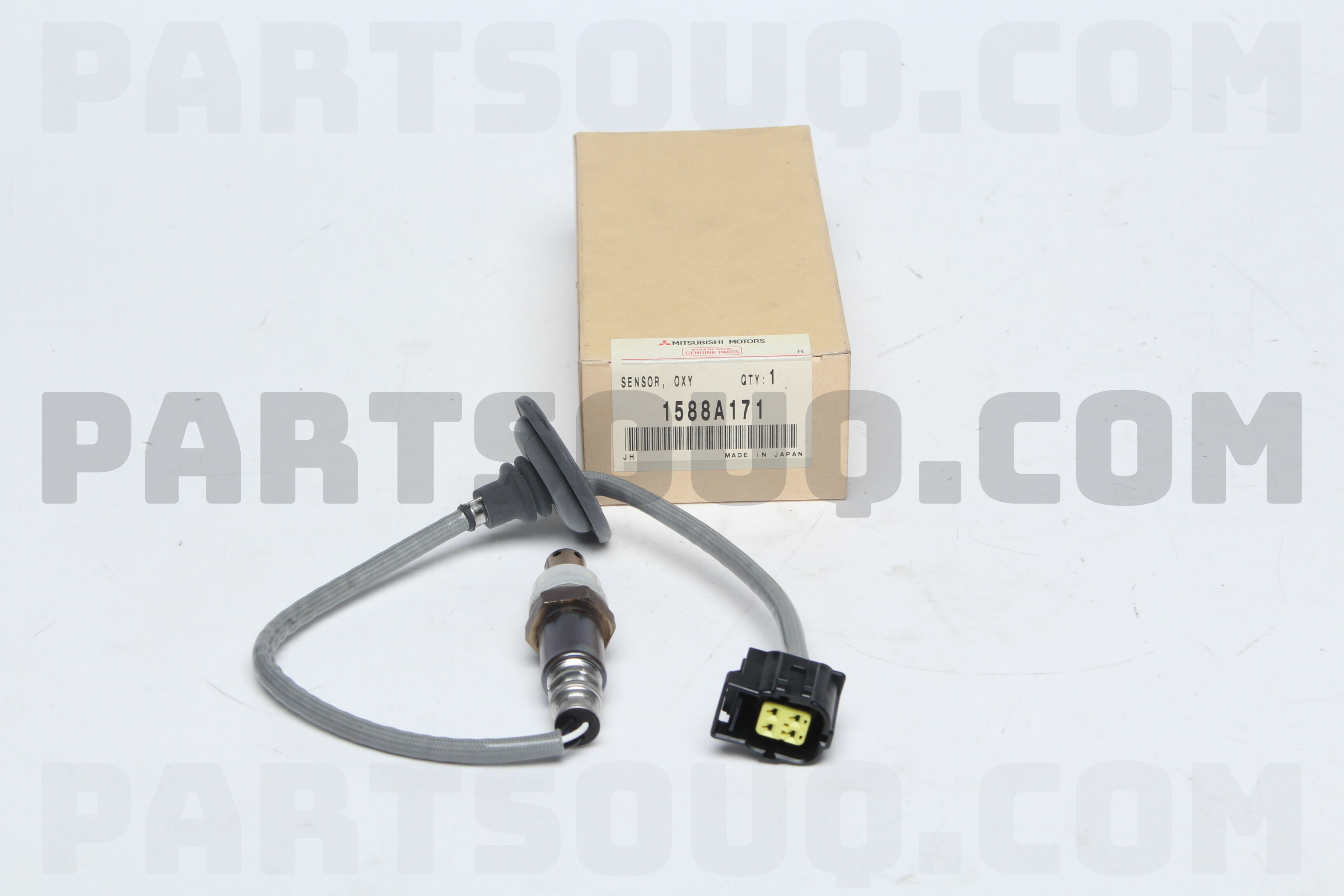
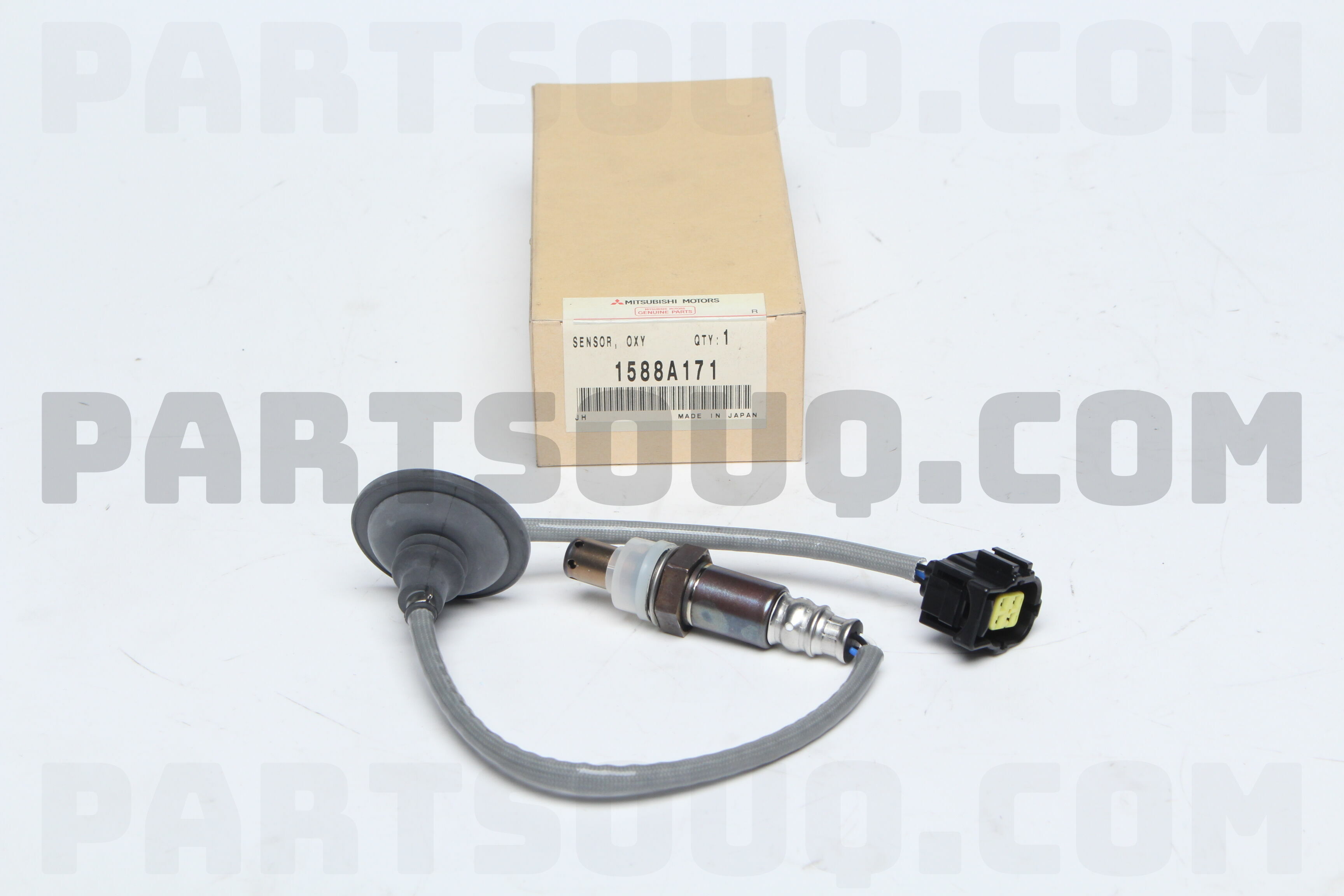
1588A171 Mitsubishi SENSOR,ENG CONTROL OXIGEN, Price: 329.68$, Weight: 0.1kg
| Make | Number | Name | Availability | Weight, kg | Ship in, Days | Price |
|---|---|---|---|---|---|---|
Mitsubishi |
1588A171 |
SENSOR,ENG CONTROL OXIGEN |
0 |
0.1 |
2-3 |
329.68$ |
| Not Available | ||||||
Originals
| Make | Number | Name | Availability | Weight, kg | Processing, days | Price | |
|---|---|---|---|---|---|---|---|
| Mitsubishi |
SENSOR,ENG CONTROL OXIGEN
|
2 |
0.115
|
15-20
|
329.68$
|
Compatibility
| Market | Model Year From | Model Year To | Diagram |
|---|---|---|---|
| General (BRAZIL) | 09.2010 | 06.2013 | View |
| Frame | Market | Model | Model Year From | Model Year To | Modification | Diagram |
|---|---|---|---|---|---|---|
| CX0# | Japan | CX6A | 11.2008 | 03.2015 | 1800(HATCH BACK) | View |
| Frame | Market | Model | Model Year From | Model Year To | Modification | Diagram |
|---|---|---|---|---|---|---|
| CY,CZ# | Japan | CY6A | 08.2007 | 01.2016 | 1800(SEDAN) | View |
| Frame | Market | Model | Model Year From | Model Year To | Modification | Diagram |
|---|---|---|---|---|---|---|
| CY,CZ# | General (EXPORT) | CY4A | 04.2007 | 12.2017 | 2000(SEDAN) - VRX(2WD),S-CVT | View |
| Frame | Market | Model | Model Year From | Model Year To | Modification | Diagram |
|---|---|---|---|---|---|---|
| CX0# | General (EXPORT) | CX4A | 09.2008 | 12.2017 | 2000(HATCH BACK) - ES(2WD/EURO4),S-CVT | View |
| Frame | Market | Model | Model Year From | Model Year To | Modification | Diagram |
|---|---|---|---|---|---|---|
| CW0# | General (CHINA) | CW5W | 12.2006 | 10.2012 | 2400 | View |
| Frame | Market | Model | Model Year From | Modification | Diagram |
|---|---|---|---|---|---|
| GA0# | Japan | GA4W | 02.2010 | 1800 AS&G | View |
Essential Sensor for Efficient Engine Management
When it comes to ensuring optimal fuel efficiency and engine performance, the Oxygen Sensor, commonly found in modern vehicles, plays a pivotal role. This sensor, nestled within the exhaust system, accurately measures the amount of oxygen present. By doing so, it provides crucial data to the engine’s computer, allowing for precise adjustments to the air-fuel mixture.
Why is the Oxygen Sensor Important
Engines require a specific balance of air and fuel to run efficiently. The oxygen sensor continuously monitors this balance, ensuring that the engine does not run too rich (excess fuel) or too lean (excess air). Maintaining this balance translates to improved fuel economy, reduced emissions, and optimal engine performance.
Functionality and Operation
When the exhaust gases pass over this sensor, it generates a voltage signal that correlates to the amount of oxygen present. This signal is relayed to the vehicle’s Electronic Control Unit (ECU), which adjusts the air-fuel mixture accordingly. A properly functioning sensor ensures that the catalytic converter operates efficiently, reducing harmful emissions released into the atmosphere.
Consequences of a Malfunctioning Sensor
A broken or malfunctioning oxygen sensor can wreak havoc on your vehicle’s performance. Symptoms include increased fuel consumption, erratic engine idling, increased emissions, and potential damage to the catalytic converter. Ignoring a faulty sensor could lead to more costly repairs down the line.
Compatible Models
- Outlander
- Lancer Sportback
- Galant Fortis Sportback
- Lancer
- Galant Fortis/Lancer Evolution
- Asx
- Rvr